
Professional soccer games typically last for 90 minutes, divided into two 45-minute halves, with a 15-minute halftime break.
Ever wondered how long do pro soccer games last? It’s a common question for new fans and those just curious about the sport. The time can seem to fly by when the action is intense, yet understanding the structure helps appreciate the game.
These 90 minutes of play are often packed with drama, skill, and tactical decisions. With added stoppage time for injuries or other interruptions, the game’s duration can extend slightly beyond the stated time.

How Long Do Pro Soccer Games Last?
Ever wondered exactly how much time you spend cheering during a professional soccer match? It’s a common question, and the answer isn’t always as straightforward as you might think. While the standard length of a pro soccer game is 90 minutes, the actual time from kickoff to final whistle can be longer due to a few different factors. Let’s dive into all the details about game duration in pro soccer.
The Standard 90 Minutes
The foundation of every professional soccer game is the 90 minutes of playing time. This 90 minutes is split into two halves of 45 minutes each. There’s a break in the middle called half-time, which usually lasts about 15 minutes. Think of it like a pause button for the players to catch their breath, coaches to strategize, and fans to grab snacks.
Breaking it Down: The Two Halves
The structure of the 90 minutes is simple. You have:
- First Half: 45 minutes of play
- Half-time Break: 15 minutes of rest
- Second Half: 45 minutes of play
This is consistent across nearly all professional leagues and tournaments around the globe, making it the common time structure of pro soccer.
What About Added Time?
Here’s where it gets a little more complex. You won’t often see a game conclude exactly at the 90 minute mark. That’s because of something called “added time,” also known as “stoppage time” or “injury time”. It’s essentially extra time added at the end of each half to compensate for any interruptions during gameplay.
Why is Added Time Necessary?
Several things can cause a delay during a soccer game. These delays are taken into account by the referee and time is added on at the end of the half.
- Injuries: If a player gets hurt and needs medical attention on the field, time is added.
- Substitutions: Every substitution takes time, so this gets accounted for.
- Time-Wasting: If a team tries to waste time deliberately to run down the clock, added time can be given.
- Goal celebrations: It takes time when a goal is scored, and players celebrate it, and so a little bit of time is also added for that.
The referee is responsible for determining how much time is added based on these delays. It is not an exact science and depends on the refree’s judgement which is why it varies each game and is often a point of debate amongst fans. The added time is usually displayed on a board by the fourth official near the sidelines toward the end of each half. This keeps players, coaches, and fans informed about how much longer they’ll have to watch (or play).
Extra Time and Penalty Shootouts: When Games Go Beyond 90
Sometimes, a soccer game needs a definite winner. In many knockout tournaments, like the FIFA World Cup or the UEFA Champions League, games that are tied after 90 minutes and added time require extra play to determine the outcome. This is where extra time comes in.
How Extra Time Works
Extra time consists of two 15-minute periods, making for a total of 30 minutes. There is a short break between the two periods, to allow the players some rest. This is sometimes called “extra time” or “overtime”.
If a winner isn’t decided after these 30 minutes of extra time, the game moves to the dramatic finale – a penalty shootout.
The Tension of Penalty Shootouts
A penalty shootout involves players from both teams taking turns shooting penalties on the goal. The teams alternate, and the first team to gain an unassailable lead will win the match. Penalty shootouts are an exciting but nerve-wracking way to end a game, and are often the most talked about parts of tournaments.
Variations in Game Length: Youth and Other Levels
While 90 minutes is the norm for professional soccer, not every match follows the same structure. There are several variations that are important to consider.
Youth Soccer
Younger players typically play shorter matches. This is to suit their developing stamina and physical capabilities.
The time for each half varies depending on the age groups:
- Under 6-8 : Typically two 20-minute halves
- Under 9-10 : Often two 25-minute halves
- Under 11-12 : Often two 30-minute halves
- Under 13-16 : Usually two 35-40 minute halves.
These shorter matches are intended to keep young players active without tiring them too much. As children move up age groups, the length of the game gradually increases.
Friendly Matches and Exhibition Games
Friendly or exhibition matches between professional teams, often during pre-season or as part of promotional events, might be played with different time frames. These games might sometimes be shorter than usual, or the game duration might be tweaked to accommodate certain marketing or event requirements. For example, the teams might agree to play 30-minute halves rather than the standard 45.
Other Exceptions
There are occasional exceptions to the 90-minute standard in professional matches, for specific events or circumstances. Some tournaments or leagues might adopt rules that differ slightly from the usual to cater to the local or specific needs of the tournament.
The Total Time Commitment for Fans
So, how much time should a fan dedicate to watching a pro soccer game? Let’s consider a typical scenario:
- Match Play: 90 minutes
- Half-Time: 15 minutes
- Added Time: Usually around 3-8 minutes total (it can be more sometimes)
A standard soccer match takes up roughly two hours. This estimation doesn’t include extra time or penalty shootouts. If you consider the time it takes to get to and from the stadium, plus the pre- and post-game buzz, watching a live soccer match will easily take up 3-4 hours.
Average Game Length: A Quick Reference
Here’s a summary of different soccer match durations:
| Match Type | Approximate Length |
|---|---|
| Professional Match (Regulation) | 90 minutes + added time (usually 93-98 minutes total) |
| Professional Match (with Extra Time) | 120 minutes + added time (can be around 125-130 mins total) |
| Professional Match (with Penalty Shootout) | 120 minutes + added time + penalty shootout (around 135-140 mins total) |
| Youth Match (varies by age group) | 40 – 80 minutes total |
| Friendly/Exhibition Match | Can vary, but often shorter than regular 90 minutes |
The Time-Keeping Role of the Referee
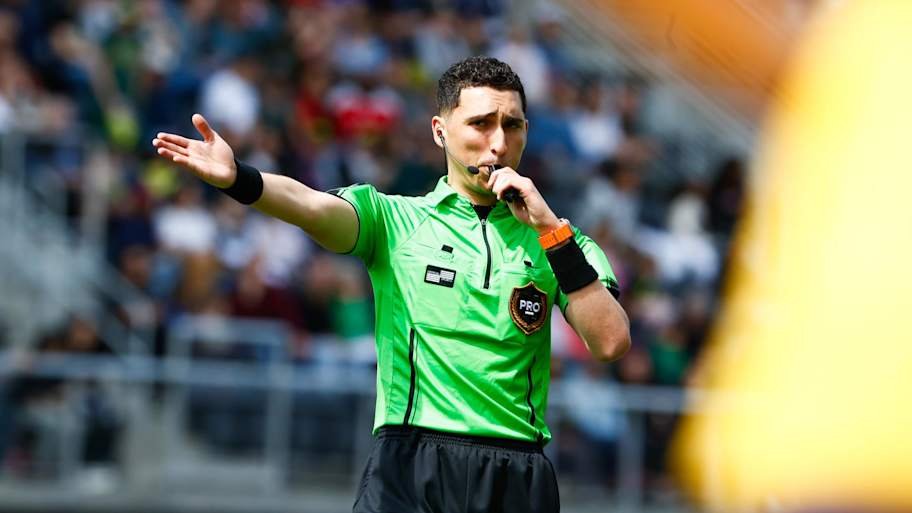
The referee is the sole time-keeper in a soccer match. They are the ones who start, stop and record the match time. They have the sole authority on deciding how much additional time to add to the end of each half and will signal the end of the half with a whistle. The official time shown on broadcasted matches is not the official time, that comes from the referee’s timepiece. It is the referee’s whistle that ends a match or each half of play. The decisions of the referee are final, even when it comes to timing.
Why Understanding Game Duration is Important
Knowing about the structure of soccer match timings helps viewers. If you’re watching from home, understanding the flow of the game means you won’t miss the important parts. If you are attending a game, you can plan your day accordingly, ensuring you arrive on time and are ready for the full soccer experience. And for players, this knowledge helps with pacing and strategy during the game.
So, next time you’re settling in to watch your favourite team, you’ll have a full understanding of how long you’ll be watching them play. From the standard 90 minutes to the exciting extra time, every minute contributes to the dynamic soccer experience that we all enjoy.
Soccer super star, last level, maximum stars, goals and assists 🌟🌟🌟
Final Thoughts
Professional soccer games typically last 90 minutes, split into two 45-minute halves. There’s also a halftime break, usually 15 minutes long.
Added time, due to stoppages, is a key element at the end of each half. This makes the total game duration vary.
So, how long do pro soccer games last? While the standard is 90 minutes, with added time, it’s generally close to two hours.

