
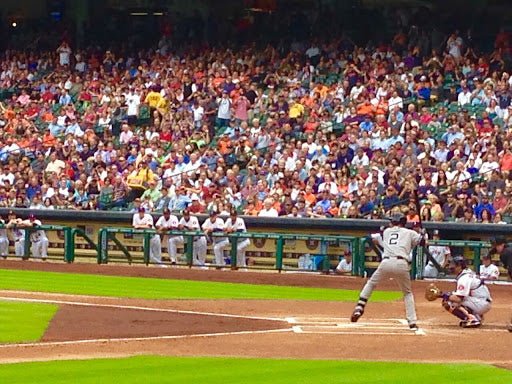
Softball games typically last around 7 innings, which usually takes between 1.5 to 2 hours to complete.
Ever wondered about the duration of a softball game? Knowing how long do softball games last is helpful for players and spectators alike. It helps you plan your day and understand the commitment involved. Game length isn’t always fixed, of course.
Factors like the pace of play, pitching changes, and scoring can all affect the overall game time. Rain delays, common during spring and summer, can also cause games to last longer than expected.

How Long Do Softball Games Last?
Okay, let’s talk about softball! You’re probably wondering, “How long is this game going to take?” That’s a great question! Softball games aren’t like movies that have a set start and end time. The length of a softball game can change based on a bunch of things. Think of it like this: sometimes you might finish your homework quickly, and other times it takes a little longer. Softball is kind of like that. So, let’s dig into all the different parts that affect how long a game lasts.
Understanding the Basics of Softball Game Length
Before we jump into all the different factors, let’s start with the basic idea of how a softball game works. Most softball games are played with innings. An inning is like a turn for each team to bat and try to score runs. In a regular game, there are usually seven innings. So you might think, “Okay, seven innings, easy!” But not so fast, there are more things to keep in mind. While seven innings is the standard, the actual time it takes can be different each game.
What is an Inning?
Let’s make sure we’re all on the same page about what an inning really means. Each inning is broken down into two parts: the top and the bottom. In the top of the inning, one team gets to bat while the other team plays defense. Once the batting team makes three outs, the bottom of the inning starts. This is when the teams switch, and the team that was playing defense gets their chance to bat. The inning is over when both teams have batted and made three outs each. Then, you move on to the next inning.
The Role of Outs
Outs are super important in softball, they are the countdown to the end of each team’s batting turn. There are many ways to get an out, such as when a batter strikes out, is caught out in the air, or is tagged out at a base. Once a team gets three outs, the side is retired, and the other team gets their chance to bat. The number of outs directly impacts the overall length of the game. More quick outs will usually mean the game will finish a little sooner. More at-bats with runners on base, where each play takes longer will increase the time.
Factors that Influence Game Duration
So, if games have a set number of innings, why do they take different amounts of time? Well, lots of different factors play a role. Think of it like baking a cake – you might have all the ingredients, but depending on the oven and how you mix them, it can take a slightly different time. Here’s how different factors effect the game length:
The Level of Play
The first thing that makes a big difference is the level of softball being played. Different leagues have different rules. Let’s go into this more:
- Little League and Youth Softball: Games at this level may be shorter or have time limits. This is because younger players might not have the same attention span as older players, and might not always have the physical stamina. They often use shorter games, or sometimes even less innings. Some youth leagues might play six innings rather than the standard seven. Another big reason is because the focus for younger players is more on learning and fun, and less about a long, drawn out game. They might also have rules that mean they have to stop the game after a set time period, even if the innings are not over.
- High School Softball: High school softball games are usually seven innings long, the standard regulation game, and tend to take a more predictable amount of time. High school teams, generally, have more skilled players, and play tends to be more focused and faster paced, as compared to youth leagues. High school games may include a mercy rule, which means that if one team is winning by a lot, the game can end early. This also has an effect on overall game time.
- College and Professional Softball: At the college and professional levels, games can go longer. These games are at a very high level and can be very competitive. The level of skill and pitching makes games more competitive, where a team has a lot of trouble to get base runners. College and professional softball also uses the standard seven innings, but there are no time limits or mercy rules like youth softball. They have to finish out their innings no matter the score. This often means much longer, more strategic games that can take an extended time.
The Pace of Play
The pace of the game also has a lot to do with how long the game lasts. Here is how a team’s offensive and defensive ability can effect a games overall length:
- Offensive Power: If the teams are scoring runs quickly, it might seem like the game is going faster, and shorter overall. If the teams are getting hits and runners on base, there may be longer at-bats, and more plays for the defense to make. This will make the games last longer. If teams are only getting outs with no one getting on base, it usually means that the game will be faster because the inning is over more quickly.
- Pitching Speed: Fast pitchers tend to make games go by quicker, because they can get outs, or strikeouts quicker. When the pitchers are fast, hitters can struggle to get on base. However, sometimes if a pitcher is very fast, batters may get more walks, which could mean a game takes longer.
- Defensive Skill: When the defense is skilled, with a lot of plays, that makes the game go faster. In contrast, when a team is making errors or not getting outs, the game takes longer. A well-oiled defensive team that gets outs quickly can make the game much shorter overall.
Game Delays and Interruptions
Just like anything else, softball games can be delayed by unexpected things. These issues can make a game last longer than it would otherwise. Here are some reasons games might be delayed:
- Injuries: If a player gets hurt, the game might need to stop for a while so they can get help. Serious injuries can mean the game needs to be put on hold, while the player receives medical care.
- Weather: Rain, lightning, and other bad weather can make a game have to be paused. Sometimes, if the weather is really bad, the game might even have to be called off and played on another day. Weather delays can be for just a few minutes, or even for hours at a time.
- Equipment Issues: If something goes wrong with the equipment, like a broken bat or a lost ball, the game has to be paused until the equipment is fixed. When a batter’s helmet or any other equipment breaks, the game must be paused so that the player can get a new one. This type of delay, is usually not as long as other types of delays, but they still effect the overall time the game takes.
Typical Time Ranges for Softball Games
Okay, now that we’ve looked at all the different things that can change how long a game takes, let’s try to figure out some typical time ranges. Remember, these are just estimates. The real time can be different every game:
Youth Softball Games
Usually, youth softball games, are the shortest and quickest. Because the games have fewer innings, or time limits. Here’s a typical range to keep in mind when going to watch a youth game:
- Average Duration: 1 to 1.5 hours.
- Why: Games at this level often have shorter innings and time limits, as explained before. Because youth players are learning, the game can go by very quickly.
High School Softball Games
High school games are longer and are a little more consistent. However, mercy rules, and pace of play can still make the game times different. Here’s an average time range:
- Average Duration: 1.5 to 2.5 hours.
- Why: These games are usually a full 7 innings.
College and Professional Softball Games
College and professional games are often the longest. These games can sometimes be long and are the hardest to predict. Here’s an average idea of what these games look like:
- Average Duration: 2 to 3+ hours.
- Why: These games are usually a full 7 innings, and often competitive. These games often have delays, strategic base-running, and extra innings that lead to the long game times.
Strategies to Keep Game Time Moving
Sometimes, teams and players, try to keep the game moving along at a good pace. There are many different strategies that coaches and players use. Here are some of them:
Hustling On and Off the Field
One thing you’ll see players do, is always hustle. When a team hustles on and off the field, between innings, this can help the game go by faster. This usually involves, quickly running to the dug out, or running onto the field. The less time spent slowly walking, means the games will move along better.
Quick Pitches
Pitchers can also control the pace. When a pitcher is getting ready and throwing each pitch quickly, it can help speed up the overall game. While this can be tiring for some pitchers, it can help keep the game moving, and makes it harder on the batters to get a good hit.
Efficient At Bats
Batters can also help speed the game. When a batter is swinging quickly, and getting good hits, they help move the game. In contrast, batters who step out of the box, or take a lot of time in between pitches, can make the game take longer. When players have an understanding of the game and try to make things more efficient it usually makes the game faster overall.
The Impact of Extra Innings
Sometimes, games need more than seven innings to figure out the winner. Extra innings happen when the game is tied at the end of the seventh inning. When this happens, the teams must continue to play until someone wins, or there are a set number of extra innings, depending on the rules of the level of play. Extra innings can make a game last longer than expected. Here’s how:
- Tie Games: If both teams are still tied at the end of seven innings, they will keep playing, until one team gets more runs. This can go on for several innings, making a game long.
- Sudden Victory: Sometimes, softball uses “sudden victory” rules, especially in tournament play. In this case, teams may start an inning with a runner already on base. This helps make the extra innings go by faster, and can mean a quicker end to the game.
So, while softball games don’t have a set time clock like some sports, understanding these different factors can give you a better idea of what to expect for game length. From youth games to college competitions, each one can have a different overall length. Next time you watch or play in a softball game, think about all these factors, and you’ll have a better sense of when the game might finish! Now go out and play some softball!
The Rules of Softball – EXPLAINED!
Final Thoughts
Typically, softball games last around seven innings. However, weather delays or extra innings can impact the final time. How long do softball games last? Game duration often ranges from one and a half to two hours. The pace of play contributes to overall game length.
Faster pitching and quicker fielding usually shorten game times. Conversely, frequent substitutions or extended offensive plays will add to the duration. Understanding these factors helps predict how long a game will take.

