
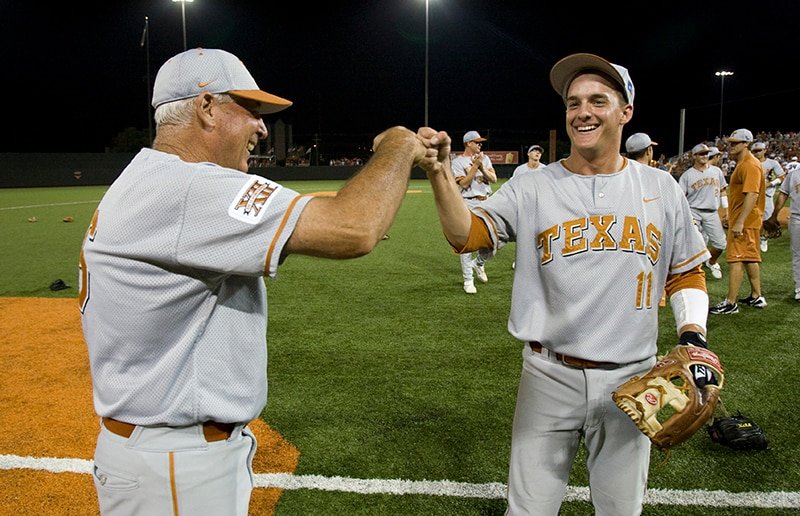
College baseball games typically last around 3 hours, but can vary depending on extra innings or other delays.
Ever wondered how long does a college baseball game last? The pace of the game, unlike some other sports, can be quite variable. You might settle in for a short outing, or find yourself watching several extra innings on a nail-biting evening.
This variation depends on many factors, including the number of hits, pitching changes, and even weather delays. So, planning your afternoon at the ballpark requires a bit of flexibility.

How Long Does a College Baseball Game Last?
Ever sat down to watch a college baseball game and wondered, “When is this going to end?” It’s a fair question! Unlike some sports with set times, baseball games can be a bit unpredictable. They’re not like a football game with its four quarters or a basketball game with its timed periods. The length of a college baseball game can vary, and many factors play a role in how long you’ll be cheering on your favorite team. Let’s dive into the details and explore what makes these games tick, and how long you can expect to be at the ballpark.
The Basics: Innings and Play
At its core, a college baseball game is made up of nine innings. Each inning is divided into two halves: the top, where the visiting team bats, and the bottom, where the home team bats. The goal, of course, is to score more runs than the other team. But this simple structure doesn’t always translate to a simple timeline. Many things can happen during a game that can affect how much time it takes.
No Clock, But There are Rules
One of the key things that makes baseball different is the absence of a game clock. Unlike basketball, football, or soccer, baseball does not have a running clock that dictates the game’s duration. The game continues until each team has made three outs in each half-inning and nine innings are completed, unless a team is ahead by enough runs for it to be called early (mercy rule which we will discuss later), or if the home team is winning in the bottom of the ninth, it doesn’t need to bat again and it ends there.
Factors That Influence Game Length
Several variables can impact how long a college baseball game lasts. Here are some of the primary factors that can either shorten or lengthen the time you’ll spend at the ballpark:
The Pace of Play
The speed at which the game unfolds is a major factor in determining its length. A game with quick pitching, minimal walks, and minimal trips to the mound by coaches will generally be faster. A game with many pitching changes, lots of walks, hits, and long pauses between batters will take longer. Think of it like watching a car drive on a highway – if it goes a steady speed, it will take a predictable amount of time to get to the destination. But if it keeps stopping and starting, it will take longer. The same idea applies to baseball.
- Pitching Speed: If pitchers are working quickly and throwing strikes, the game moves along at a better pace. Frequent ball fours will increase duration.
- Batting Speed: If hitters step up to the plate and quickly swing, the game will likely move at a good pace. If batters step out of the batter’s box often, adjust their batting gloves constantly, or take too long getting ready to bat, the game will slow down.
- Defensive Speed: How quickly fielders get to balls and make outs. Errors and slow defense increase the game’s length.
Offensive Output and Scoring
The number of runs scored, hits, and base runners in the game impacts game length. Games with a lot of hitting tend to be longer. Lots of base runners lead to more pitches and action which prolong the game. Games with few hits and runs tend to be quicker.
- Lots of Hits: More hits mean more time spent on the bases, more at-bats, and potentially more pitching changes. This will cause the game to last longer.
- Many Runs: A high-scoring game usually requires more pitches, more plays, and more back-and-forth action, leading to a longer game.
- Few Scoring Opportunities: A low-scoring game with minimal base runners will usually be shorter.
Number of Pitching Changes
When a pitcher struggles, a coach often replaces them with another. These pitching changes add time to the game because the new pitcher needs time to warm up and enter the game. Frequent pitching changes can increase the duration of a college baseball game.
Injuries and Timeouts
Any unexpected delays due to injuries or lengthy timeouts can significantly lengthen a game. If a player gets hurt, play must stop while they get medical assistance. Coaches’ conferences, which are generally short, also add time. These delays are difficult to predict and can affect the game’s time.
Weather Delays
Rain delays are a common cause for extended game times. If it begins to rain, the game can be delayed, sometimes for a very long time, depending on how much it is raining and the field conditions. In some situations, the game could even be suspended and continued at another time, especially in a longer series of games. The waiting time during a delay can add hours to the total game time.
Extra Innings
If the score is tied after nine innings, the game goes into extra innings. This means the game continues until one team is ahead when both teams have batted in an inning. Extra innings will increase the length of the game. Sometimes an extra-innings game can take hours. These extra frames make it hard to estimate the total length of the baseball game.
The Mercy Rule (Run Rule)
Sometimes, college baseball games can end early thanks to something called the “mercy rule,” often referred to as the “run rule”. This rule aims to prevent one team from suffering a humiliating defeat, and to avoid further injury risk in lopsided contests. It allows a game to end early if one team is ahead by a large enough margin after a certain number of innings. The exact number of innings and the necessary lead vary depending on the conference, but it’s common to see a 10 or 12 run lead after 7 innings as a point where a game might end due to the mercy rule. This can shorten a game significantly. If a mercy rule is in effect, you may see games last only 7 or 8 innings.
Typical Game Duration
Given all these factors, it’s helpful to know what a typical college baseball game time looks like. While it is not set in stone, you can usually expect a college baseball game to last between 2.5 to 3.5 hours. Some games, with a great pace and fewer interruptions, might be closer to the two hour range. Other games with many factors causing delays or long innings could go over four hours. Below is a table that will give you a general idea of what to expect.
| Game Type | Average Duration | Possible Range |
|---|---|---|
| Typical Game (No Extra Innings) | 3 hours | 2.5 to 3.5 hours |
| Low Scoring Game (No Extra Innings) | 2 hours, 45 minutes | 2 to 3 hours |
| High Scoring Game (No Extra Innings) | 3 hours, 30 minutes | 3 to 4 hours |
| Game with Extra Innings | 3.5 to 4+ hours | 3 to 5+ hours |
Understanding Game Flow
Think of a baseball game as a story with many small chapters. Each at-bat is a new scene, and the flow of each inning builds to a final chapter. There are moments of excitement, tension, and sometimes a bit of a lull. Understanding how the game moves can help you appreciate its pace and make the viewing experience better. Every baseball game is unique, so the timing can be different. Baseball has no set clock, so you don’t have a traditional method to track the time. The most important concept is to just enjoy the experience and the journey of every baseball game.
Tips for Estimating Game Length
While it’s impossible to predict the exact length of a college baseball game, there are some things to keep an eye on that might give you a rough estimate:
- Early Innings: Watch the first two or three innings to get a feel for the game’s pace. If things are moving quickly, it might be a shorter game.
- Pitching Performance: How many pitches are the pitchers throwing? Frequent ball four walks and a lot of hits can signify a longer game.
- Scoring: How many runs are being scored? If the score is going back and forth, that will also make the game last longer.
- Weather Forecast: Be sure to check the weather forecast before heading to the ballpark. If there is rain in the forecast, there is a good possibility that there could be a rain delay, which could make the game last longer.
Why the Variation Matters
The variable length of a college baseball game is part of what makes it unique. The fact that time isn’t the driving factor allows for strategy and dramatic moments to unfold naturally. Unlike timed sports where clock management is a factor, baseball is about the plays that happen. There are big moments that can swing momentum of a game, and that is what is most important for college baseball. It’s why a tight, well-pitched game can be just as compelling as a high-scoring affair that lasts longer. The unpredictability is part of baseball’s charm.
So, next time you settle in to watch some college baseball, remember that the game’s length is part of the experience. Enjoy the excitement, the plays, and the drama that each game brings and know you are in for a thrilling ride of an unpredictable length!
These 5 Things KILL Your Chance to Play College Baseball
Final Thoughts
Typically, a college baseball game lasts around three hours. However, several factors like extra innings or pitching changes can affect the total game time. Rain delays also contribute to longer game durations.
These variables cause variability, so predicting the exact length is difficult. Therefore, understanding that the average game lasts three hours helps with planning. Ultimately, how long does a college baseball game last depends on the events during the match.

