
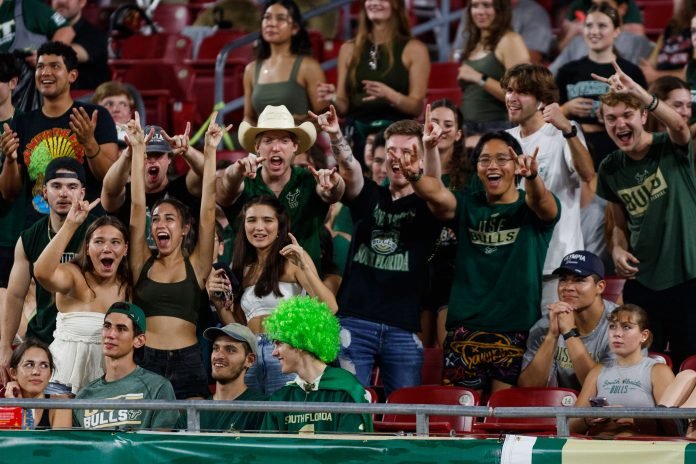
Typically, a college football game lasts about 3 to 3.5 hours.
Ever wondered, just how long does a college football game typically last? The clock seems to stretch and shrink with each play, making it feel like an eternity or a blink. It’s not quite as simple as a set 60 minutes of action, though.
The game includes breaks, timeouts, and halftime, all contributing to the total time. So, if you’re planning your Saturday, you’ll need to consider more than just the play clock.

How Long Does a College Football Game Typically Last?
Okay, so you’re wondering how much time to set aside for a college football game. It’s a good question! Unlike your favorite TV show, which has a set time, a college football game can be a bit more of a moving target. While the clock shows 60 minutes of playing time, the actual time you’ll spend at the stadium (or in front of your TV) is usually longer. Let’s dive into what makes up the total time of a college football game and explore all the factors that make the time fly by (or sometimes seem to drag on).
The Core Components of a College Football Game’s Length
At its heart, a college football game is divided into four 15-minute quarters. That gives us a total of 60 minutes of playing time. Easy enough, right? Well, not exactly. That’s just the tip of the iceberg. There’s much more that goes into the overall duration of a game. Think of it like baking a cake; the batter is just one part, and you have all those other steps. Let’s break down all those extra ingredients that add to the total time:
Halftime
After the first two quarters, teams take a break for halftime. This is a longer pause, allowing players to rest and coaches to make any necessary adjustments to their game plan. Typically, halftime lasts around 15 to 20 minutes. This break also gives you time to grab a snack, use the restroom, or check in with friends. It’s a tradition that is just as important to the game as the game itself, for many college football fans.
Timeouts
During the game, teams get timeouts. These are short breaks called by either the coach or the players. Teams will use these breaks to organize, talk strategy, or try to slow down an opponent’s momentum. Each team has a certain number of timeouts per half. The amount of time a timeout takes is usually pretty short, but those small breaks add up during a game. The more stoppages there are, the longer the game tends to be.
Commercial Breaks
If you’re watching the game on TV, you’ll see a fair amount of commercials. These breaks are built in to the game’s broadcast schedule and happen after big plays, timeouts, and other stoppages in the game. They are a source of revenue for the broadcasting networks. The length and frequency of commercial breaks can vary depending on the network, but they add quite a bit of time to the overall viewing experience. So when you sit down to watch a game, remember, the game is not on when the screen isn’t showing plays.
Penalties
In every game, there will be penalties that occur. When a penalty occurs, the officials stop the clock and talk about what the penalty was and what the outcome will be. The time that this takes adds to the overall length of the game. These penalties can also cause the teams to discuss strategy and then there are more commercials and other things that will delay the game. The more penalties there are, the longer the game will typically take.
Injuries
Unfortunately, injuries are a part of football. When a player gets hurt, the game is paused so they can receive medical attention. Depending on the severity of the injury, this pause can last for a few minutes or longer. Everyone wants to see the athletes be safe, so these stoppages are important for the players’ health and safety. However, they also add time to the game clock.
Official Reviews
Sometimes, the officials need to review a play to ensure they made the right call. This often happens on close plays near the end zone or if a player catches a ball. During a review, the officials will look at video replays to confirm whether the play was called correctly. These reviews can take a few minutes, adding to the total length of the game. Sometimes when the review is being done, they will show the highlights on television and they will have even more commercials during this time.
Factors that Influence Game Length
Now that we’ve covered the basic elements, let’s look at some other things that can make a college football game longer or shorter than average. Remember, each game is unique, and these factors can really change how long you’ll be watching the game.
Number of Scoring Plays
Games with many scoring plays tend to take longer. Every touchdown and field goal results in a stoppage of the clock and a change in possession. The more the teams score, the more clock stoppages there will be. The game is not on when a team scores, so all these plays will add extra time to the total duration of a game.
Close Games vs. Blowouts
A close game often feels like it takes longer to watch, especially if it’s close at the end. That’s because there tends to be a lot of strategy and timeouts being used. These nail-biting moments where a team is trying to secure a victory can take up a lot of extra time. On the flip side, a blowout game where one team is winning big might feel like it goes by a bit quicker.
Overtime Games
When the score is tied at the end of the fourth quarter, college football goes into overtime. Overtime periods add to the game’s length. In college football, overtime is a bit different than other leagues like the NFL. There are rules about how many opportunities each team gets to score. Overtime can be short, or it can be long, depending on whether a team can score.
The Pace of Play
Some teams play at a really fast pace, running plays quickly and using the play clock to their advantage. These fast-paced offenses often get more plays in during a game, which usually adds a little to the total game length. Other teams may play slower and more methodically, which could mean a slightly shorter game, but not by much.
Broadcast Schedule
The TV broadcast schedule can also influence the game’s length. Networks may adjust commercial breaks or add extra segments to fill the allotted time. Sometimes you might hear commentators talking during times that a normal fan wouldn’t expect. This is usually done to meet broadcast schedules and add to the overall time of the game.
The Average Length of a College Football Game
Okay, so after all of this, what’s the final answer to the question, “How long does a college football game typically last?” While the game clock shows 60 minutes, the total time you’ll spend watching or attending a game is longer. On average, a college football game typically lasts about 3 to 3.5 hours. But remember that this is just an average, and as we have seen, different things can change the length of the game.
What to Expect
So, what should you expect when you plan your Saturday around college football? Here are a few key things to keep in mind:
- Plan for at least 3.5 hours. It’s a good idea to allow for extra time if you are attending a game or watching one on tv, in case the game goes longer than average.
- Be patient during TV commercials. If you’re watching on TV, remember that commercial breaks are part of the experience. Use the time to grab a snack, check your phone or do other things that you need to do.
- Have some snacks. Whether you’re watching at home or at the stadium, make sure you have a few snacks ready for you while you enjoy your game.
- Close games can take longer. If a game is close, it will probably take longer than a game that is a blowout.
- Overtime will add extra time. Remember that overtime is always possible.
Tips for Making the Most of Your Game Day
Knowing that a game can be a multi-hour event, here are a few tips to make your game day more enjoyable:
Stay Hydrated and Energized
Whether you are in the stadium or at home, stay hydrated and energized while enjoying the game. Bring some water and have some snacks to keep you going. Make sure you don’t get too tired and can stay through the whole game!
Plan Ahead
Think about your transportation, parking, and stadium entry if you’re attending a game in person. Get there a little early, because it can take a bit of time to get to your seat. If you are watching at home, think about your game snacks and where you are going to sit.
Enjoy the Experience
Most importantly, have fun! A college football game is an experience to be shared with friends and family. Regardless of how long the game is, it can be a really good time.
Pre and Post-Game Activities
If you’re attending a game in person, make sure you have some time before and after the game to enjoy all of the festivities that come along with it. Tailgating is a part of the football experience, as is talking about the game after it is finished.
A Quick Recap of the Timing
Let’s make a quick table to remember what we just learned about the length of a game.
| Component | Typical Length |
|---|---|
| Playing Time (4 Quarters) | 60 minutes |
| Halftime | 15-20 minutes |
| Timeouts, penalties, injuries, reviews | Varies but adds up |
| TV Commercials | Adds significant time |
So, it is good to add all of the minutes together, but realize that some games will go long and some games will go a little quicker. It is best to plan to be watching the game for about 3-3.5 hours.
In conclusion, while the clock shows 60 minutes, a typical college football game lasts about 3 to 3.5 hours. This is due to various factors such as halftime, timeouts, penalties, injuries, and television commercials. When planning your weekend around college football, remember to account for this timeframe, and most importantly, enjoy the game!
McElroy & Booger McFarland preview Notre Dame-Penn State, Ohio State-Texas | Always College Football
Final Thoughts
So, a typical college football game lasts around three to three and a half hours. This timeframe includes four 15-minute quarters plus halftime and other stoppages.
The actual clock time varies because of timeouts, penalties, and incomplete passes. These elements cause the game to go longer. This variability affects how long does a college football game typically last.

