
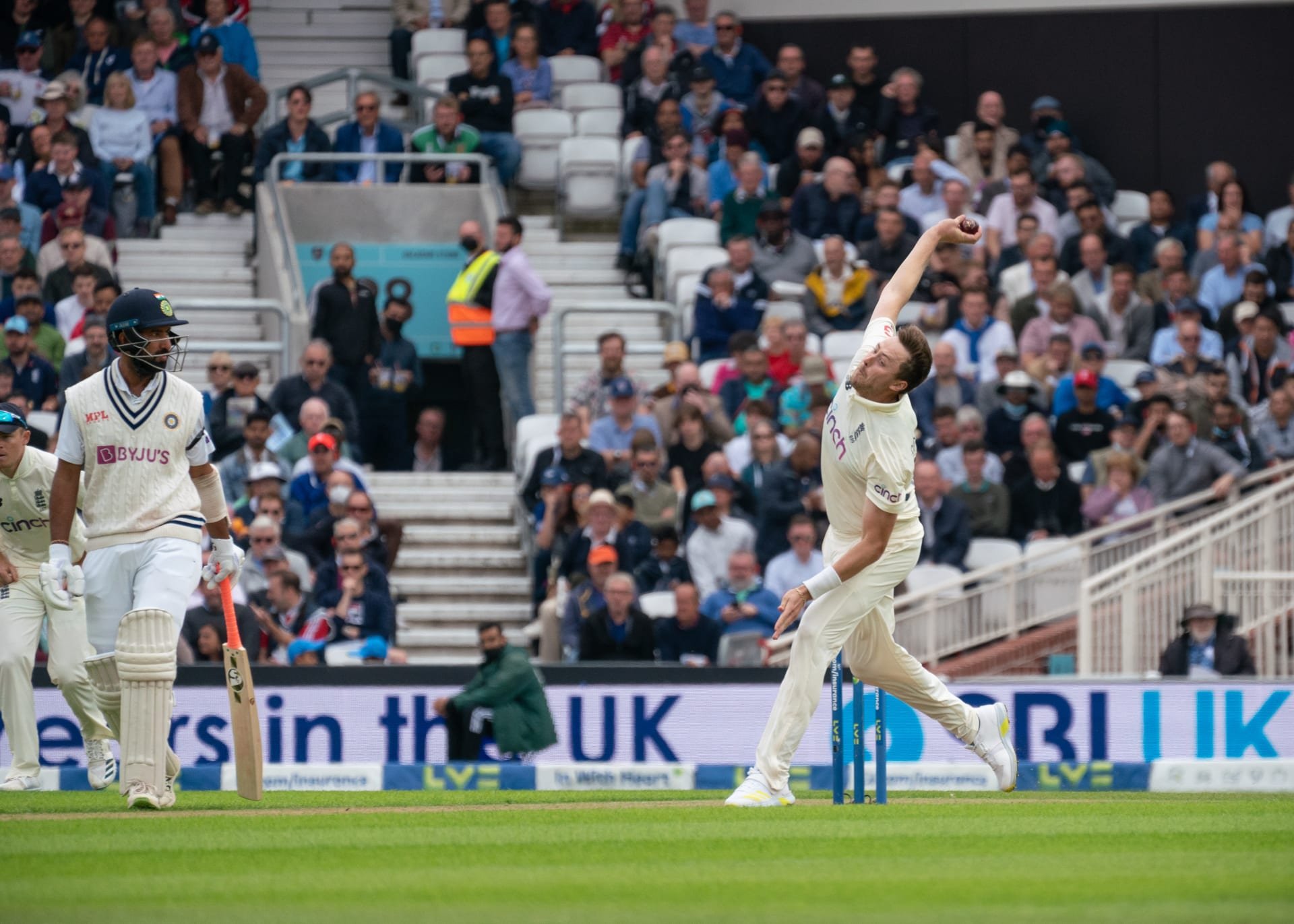
A cricket game’s duration varies significantly; a Twenty20 match lasts about three hours, a One Day International approximately eight hours, while a Test match can span five days.
Ever wondered how long does a cricket game last? It’s a common question, and the answer isn’t always straightforward! Different formats of cricket have dramatically different time frames.
Some matches conclude in an afternoon, while others unfold over multiple days. This variance depends on the specific type of cricket being played.

How Long Does a Cricket Game Last?
Cricket, that fascinating sport with bats and balls, can sometimes seem like it takes forever! But really, how long does a cricket game last? The answer isn’t as simple as saying “two hours” or “all day.” It depends a lot on the type of cricket being played. Let’s dive into the different kinds of cricket and how long each one usually takes.
Test Cricket: The Marathon of the Cricket World
Imagine a cricket game that can last for five whole days! That’s Test cricket for you. It’s the oldest and, some might say, the purest form of the game. Think of it as the marathon of cricket. Why does it last so long? Well, each team gets to bat twice (called innings), and there are no limits on how many overs (a set of six balls bowled by a bowler) can be played in a day. It’s all about strategy, stamina, and patience. If there is an exciting scenario, this five-day game can sometimes even be ended by five overs before the schedule.
How a Test Match Day Unfolds
A typical day in a Test match involves:
- Around six hours of play.
- A lunch break (usually about 40 minutes long).
- A tea break (usually about 20 minutes long).
This means, a single day of test cricket can take up most of the daylight time! The game continues over five days, weather permitting, and sometimes can end in a draw. This happens when the time for play is finished and one team has not managed to win or force a win, the match is decided as a draw. In some case, some games end earlier within five days, with a winner. Test matches provide a true test for cricketers, where each innings is like a battle of both skills and also mental strength. Weather plays a vital role because if there’s rain, play can be stopped and can effect the results of the game.
One Day Internationals (ODIs): A Full Day of Cricket
Moving on to a shorter format, we have One Day Internationals, or ODIs. As the name suggests, these games are meant to be played in one day, but the hours can vary. Usually, a One Day International game is of 50 overs a side, meaning each team will bat a total of 50 overs to score.
What to Expect in an ODI
Here’s how a typical ODI game unfolds:
- Around 8-9 hours in duration.
- Each innings is 50 overs.
- A break of about 30 to 45 minutes in between each innings.
These matches are generally quicker paced, and more attacking cricket is played than you would see in Test Cricket. ODI cricket format tends to have more action packed, due to the time restrictions. Unlike Test matches, there is always a winner in ODI, unless a game has been abandoned due to rain. The speed and attacking nature of the game make it quite popular with a huge audience globally. ODI matches often feature high-scoring and exciting finishes, making it appealing to people who may not have the time for a Test match.
Twenty20 (T20): The Quick Thrill
If you want a quick cricket fix, then Twenty20, or T20 cricket, is the one for you. It’s designed to be fast and exciting, with each innings limited to just 20 overs. This format has gained a massive following due to its high intensity and entertaining play. It is mostly known as the fast-paced cricket format, which has brought more fans to this sport.
The Fast and Furious T20 Format
Here’s what you can expect from a T20 match:
- Around 3 to 3.5 hours in duration.
- Each innings is 20 overs.
- A short break between each innings.
These matches are full of big hits, fast bowling, and quick scoring. T20 matches are the shortest form of the game and designed for entertainment. They have transformed the game, attracting newer audiences because of the short duration. It’s like the sprint of the cricket world—lots of action in a very short amount of time. The format is made for all age groups, and for all of those who want the game to end within 3 to 4 hours.
Factors Affecting Game Length
Even though we’ve talked about general time frames for the different formats of cricket, some factors can make these matches shorter or longer:
Weather Conditions
Rain is probably the biggest reason a cricket match can be delayed or shortened. If rain interrupts play, the game will be suspended. Sometimes the match could even be abandoned due to bad weather. When play is stopped, time can be lost from the match. In the case of ODI and T20 matches, some overs are taken off to compensate for the time lost. In the case of a Test match, sometimes a day is lost to rain. Rain delays can make the match longer than expected.
Over Rates
Every cricket team has to bowl a certain number of overs within a certain timeframe. If they bowl too slowly, this can make the game to take longer time to end. The umpires monitor the over rate and can take action, if the team has taken too long to finish each over. For instance, if a bowler takes a long time between balls to bowl, then that time is an addition to the match length.
Match Situation
Sometimes, how a match is progressing can make the game take less time or make it seem longer. For example, if a team is bowled out quickly, it means the game will end much faster. A team scoring big or a team getting bowled out cheaply, can affect the length of the game by reducing the amount of time required.
Breaks and Intervals
All cricket matches have breaks, like lunch and tea intervals or the innings break. These break times can vary depending on the format, the match, and the decision of the game officials. A longer break would make the match longer, but usually the intervals are timed to ensure the match is not taking too long.
Cricket Formats and their average match time
To summarize, let’s take a look at how long each cricket format usually lasts:
| Cricket Format | Typical Duration |
|---|---|
| Test Cricket | Up to 5 days (around 6 hours of play per day) |
| One Day International (ODI) | Around 8-9 hours |
| Twenty20 (T20) | Around 3-3.5 hours |
These are the time lengths when everything goes to plan. However, as we said above, rain delays and poor over rates from the teams can all contribute to the time length of a game.
Different Cricket formats in details
The Lengthy Test Matches
Test cricket, often considered the ultimate challenge for cricketers, is where players have to display skill, stamina, and concentration over a long period. The match is played over five days. This format allows for deep strategies and changing circumstances over time which can often lead to exciting and unpredictable endings. Each day there are different phases and the teams have to deal with them to try and get a positive outcome of a match.
The One Day Excitement
One Day International (ODI) matches are a shortened format designed to be fast paced, more exciting, and completed within a single day. The reduced amount of overs means that each team has to play much more attacking and faster cricket. One Day matches are designed to entertain as they usually have more big hits for sixes, more attacking bowling, and more wickets taken because players have to take chances for scoring more runs. The time span of these matches is suitable for all the fans who like fast paced cricket without the lengthy format of the Test matches.
The Thrilling T20 Cricket
T20, the shortest and most dynamic version of cricket, is known for its high-intensity play, huge hits, and fast-paced nature. It is great entertainment, with all the excitement packed into a relatively short period. Due to the short length of this format, it has gained a lot of popularity across the globe. T20 cricket is a spectacle with lots of runs scored and also bowlers showcasing their skills to prevent the runs, with exciting results most of the time.
So, there you have it! Cricket isn’t just one long game; it comes in different sizes, each with its own unique charm. Whether it’s the long, strategic Test matches, the exciting one-day games, or the quick thrills of T20, you can now have a better idea of how long a cricket game can last.
The Rules of Cricket – EXPLAINED!
Final Thoughts
The length of a cricket game varies greatly depending on the format. Test matches can extend over five days, while shorter limited-overs formats like Twenty20 finish in a few hours. The specific rules and breaks significantly influence the final duration.
Generally, a One Day International (ODI) match typically lasts around eight hours. These formats usually include a lunch and tea interval. How long does a cricket game last therefore depends heavily on the format played.

