
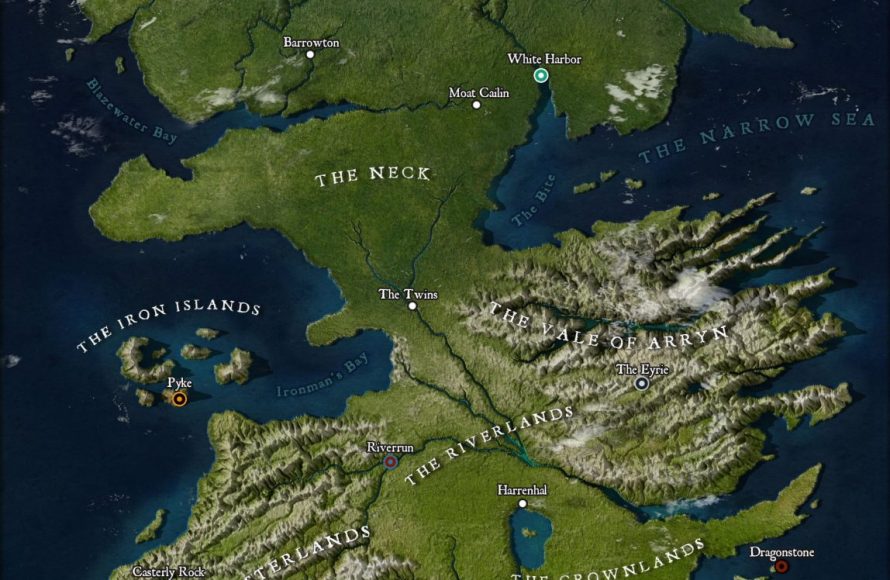
The 7 kingdoms in Game of Thrones are distinct regions of Westeros, each ruled by a Great House, that were unified under the Targaryen dynasty before the events of the series.
The world of Game of Thrones is vast and complex, but at its heart lies the question of power and control over the seven kingdoms. What is the 7 kingdoms in game of thrones, exactly? It’s more than just a geographic map; they represent centuries of history and political intrigue.
These kingdoms, each with its own unique culture and customs, were once separate entities. Their unification formed the basis for the story’s central conflict. The struggle for the Iron Throne often stems from who controls these very lands.

What is the 7 Kingdoms in Game of Thrones?
Alright, let’s dive into the exciting world of Westeros! You’ve probably heard people talking about the Seven Kingdoms in Game of Thrones, but what exactly are they? It’s not as simple as just seven separate countries; it’s more like a big, sometimes messy, collection of different regions all under one (often shaky) crown. Imagine it like a giant puzzle, where each piece is a different land with its own history, people, and traditions. These kingdoms, while unified, still hold onto their individual identities and sometimes, their grudges.
The Concept of a “Kingdom” in Westeros
Before we get into the specifics, it’s important to understand what “kingdom” means in this setting. In Westeros, a kingdom isn’t just a land ruled by a king or queen. It’s a region with a long history, often including its own unique culture, noble families, and even its own past kings. Sometimes, these kingdoms used to be entirely independent and have their own rulers. Over time, they were united, mostly through wars and conquests, under the rule of the Targaryens, and later, the Baratheons (and briefly, the Lannisters). Each region is ruled by a great lord or lady who acts as a high-level governor for the crown. Think of it as having a local president in each state.
The Original Kingdoms Before Unification
Before Aegon the Conqueror came along with his dragons, Westeros wasn’t a unified place. It was a collection of warring kingdoms. It’s helpful to know a bit about these original kingdoms to understand why the Seven Kingdoms are the way they are. The seven kingdoms we talk about are kind of a remnant of that older world.
- The North: This was the largest kingdom, ruled by the Kings of Winter, specifically House Stark. It’s a vast, cold, and often harsh land with its own unique culture.
- The Vale of Arryn: Ruled by the Kings of Mountain and Vale, they have the Eyrie, a nearly invincible castle.
- The Iron Islands: These islands were ruled by the Iron Kings, known for their fierce warriors and seafaring ways.
- The Riverlands: This was ruled by the Kings of Rivers and Hills, this region always seems to have been battled over.
- The Westerlands: The Kings of the Rock ruled this area, which is known for its rich gold mines.
- The Reach: The Kings of the Reach controlled this fertile area, known for its agriculture and chivalrous knights.
- The Stormlands: Ruled by the Storm Kings, they are known for their fierce storms and formidable castles.
The Seven Kingdoms as of ‘Game of Thrones’
Now, let’s talk about the Seven Kingdoms as they appear in the show Game of Thrones. It is very important to note that this division was made after the Conquest by Aegon. Aegon was a Targaryen who invaded Westeros with dragons. The conquest led to most kingdoms being combined or conquered.
After Aegon’s conquest, here is how these regions were reorganized:
The North
The North is still very much its own thing. It’s the largest of the Seven Kingdoms, covering a huge area in the northern part of Westeros. Ruled by the Starks from Winterfell, it’s a land of harsh winters and strong traditions. Northerners have a unique culture, more independent and loyal to their own kind. They are very protective of their freedom and independence, which has brought them into conflict with the rest of the Seven Kingdoms at times. The North does not have any other major notable houses other than the Stark, the Bolton, and the Umber house.
The Vale of Arryn
Nestled high in the mountains, the Vale is hard to reach and even harder to conquer. The Vale, traditionally led by House Arryn from the Eyrie, is a region of high, snow-capped mountains, fertile valleys, and hard-to-penetrate defenses. It’s known for its chivalrous knights and its fierce independence. The Vale is somewhat isolated from the conflicts of the other kingdoms. It is not a large kingdom by area but strategically vital. Notable families here include, the Arryn, the Royce, and the Baelish houses.
The Iron Islands
Located off the west coast, the Iron Islands are a group of rocky islands ruled by the Ironborn. They have a distinct culture. They are sea-faring, tough, and fierce people. The Ironborn, led by House Greyjoy from Pyke, are known for their “old way” – raiding and pillaging along the coasts. They aren’t considered a very traditional Kingdom, and many times are considered outlaws by the rest of Westeros. Some of the houses that are included under them are the Greyjoy, the Harlaw, the Goodbrother, and the Botley houses.
The Riverlands
The Riverlands are located in the middle of Westeros, making it a constant battlefield for many kingdoms. Ruled from the seat of the Red Keep by the royal Targaryens, they were conquered during Aegon’s conquests and always a disputed land. This means there isn’t a strong unifying culture. It’s a fertile region, but the lack of a major, dominant House has always left it vulnerable. The Riverlands are an important crossroads, making it an area people fight over constantly. The Tully family historically ruled here from Riverrun before the conquest, other main families include the Frey, the Blackwood, and the Bracken house.
The Westerlands
Known for their gold mines, the Westerlands are one of the wealthiest regions of the Seven Kingdoms. Ruled by the Lannisters from Casterly Rock, the Westerlands have a strong military and economic power. This also makes them a vital political ally for whoever holds the throne. They are a more traditional, more chivalrous kingdom compared to the north. Main houses include the Lannister, the Payne, and the Lefford houses.
The Reach
The Reach is the most fertile and populous of the Seven Kingdoms. Ruled by the Tyrells from Highgarden, it is a region famous for its agriculture and chivalrous knights. The Reach provides the majority of food for the capital. It is also known for its rich culture of art and music. The Reach always holds great power because of the size and resources it controls. Aside from House Tyrell, they also include the Hightower, the Redwyne, and the Florent houses.
The Stormlands
The Stormlands are located in the south-east, a region known for its frequent storms and strong warriors. It is historically ruled by House Baratheon from Storm’s End. This area has always seen heavy conflict, with many battles fought along its borders. The area has a reputation for producing fierce and loyal warriors. Famous houses include the Baratheon, the Caron, and the Tarth houses.
Key Differences and Similarities
While all these regions were considered the Seven Kingdoms, they also have a lot of differences between each other. Here’s a little breakdown that shows some differences and similarities:
| Feature | The North | The Vale | Iron Islands | Riverlands | Westerlands | The Reach | Stormlands |
|---|---|---|---|---|---|---|---|
| Climate | Cold, Harsh winters | Mountains, Moderate | Rocky Islands, Maritime | Fertile, many rivers | Hills, Rich Mines | Fertile, Warm | Stormy Coasts |
| Culture | Independent, Traditional | Chivalrous, Isolated | Raiding, Seafaring | Divided, often Battled | Wealthy, Powerful | Chivalrous, Bountiful | Warrior culture, Stormy |
| Military Strength | Strong Infantry, Loyal | Defensive, hard to reach | Strong Naval power | Weak, often fought over | Strong military, well funded | Large army, knights | Strong, Fierce warriors |
| Key Houses | Stark, Bolton | Arryn, Royce | Greyjoy, Harlaw | Tully, Frey | Lannister, Payne | Tyrell, Hightower | Baratheon, Tarth |
The Impact on Game of Thrones
The existence of these distinct regions impacts the story of Game of Thrones in many ways. These regions influence the characters’ behaviors, the wars that break out, and the complex political game played throughout the series. The loyalty to their own kingdom often supersedes their loyalty to the overall monarchy. For example, the North is traditionally very loyal to the Starks, so the rise of a Stark to power is almost always celebrated by the Northmen. Likewise, the Lannisters always try to advance the cause of their own house, and the reachmen value chivalry and honor, and the Iron born raid for their living. The history and culture of each region provide the bedrock for the overall political situation in Westeros.
The Seven Kingdoms, while united under one crown, are far from a homogenous entity. Each holds its unique identity, shaped by its history, environment, and the culture of its people. These differences lead to conflicts, alliances, and the complex power dynamics that make the world of Game of Thrones so captivating. Understanding what these seven kingdoms are is key to understanding the entire story!
Why is it called The Seven Kingdoms?
Final Thoughts
The Seven Kingdoms in Game of Thrones refer to the political entities of Westeros before Daenerys Targaryen’s conquest. These realms were ruled by separate houses, often warring with each other. Each kingdom held distinct cultures and historical significance.
The core question of what is the 7 kingdoms in game of thrones, it is essentially the collection of independent areas under a single ruling monarchy. These are the North, the Vale, the Riverlands, the Westerlands, the Reach, the Stormlands, and Dorne. They ultimately united into one kingdom.

