
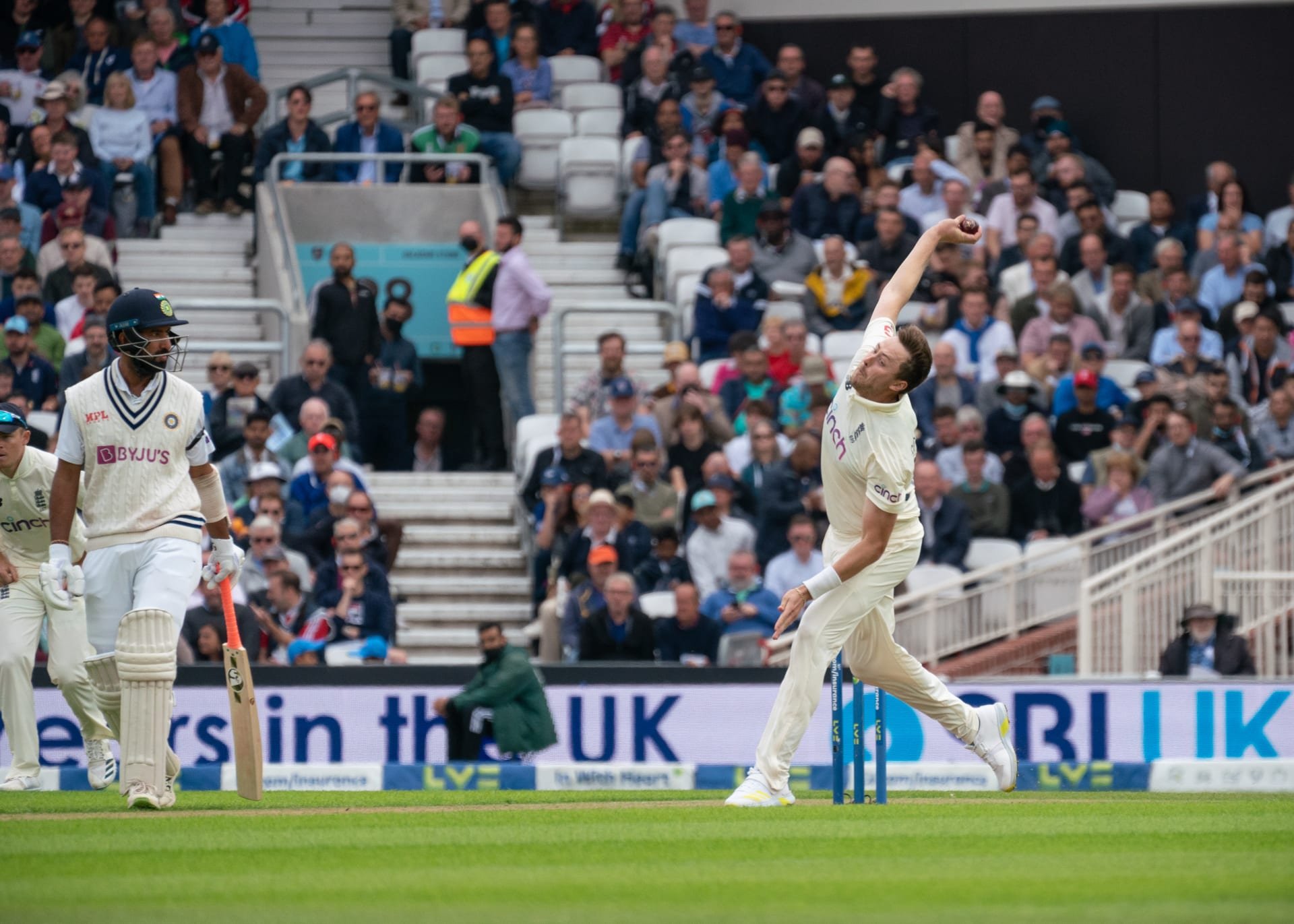
A cricket game’s duration varies, but a typical Twenty20 match lasts around 3 hours, a One Day International approximately 8 hours, and a Test match can extend up to 5 days.
Ever wondered how long does a cricket game take? It’s a common question, especially for newcomers to this sport. The answer isn’t as straightforward as you might expect, since cricket has various formats.
The time commitment changes drastically depending on the type of match. A quick T20 match finishes in an afternoon. However, a traditional Test match might consume almost an entire week!
Therefore, understanding these different durations will greatly assist you in planning your time, whether as a spectator or a player.

How Long Does a Cricket Game Take?
Cricket, a sport enjoyed by millions worldwide, comes in various formats, each with its own unique time frame. If you’re new to cricket, or simply curious, understanding the length of a game can be a bit confusing. Unlike some sports with fixed times, cricket matches can vary significantly depending on the format being played. Let’s explore the different types of cricket and their typical durations. We will also discuss some factors that can influence the overall time of a cricket game. Understanding these differences will help you know what to expect when watching a match or planning your day around one.
Test Cricket: The Longest Format
Test cricket is the oldest and traditionally the longest form of the game. It’s often seen as the ultimate test of a player’s skill, stamina and patience. These matches are played over five days, with each day consisting of three sessions of play.
Typical Duration of a Test Match
A single day of Test cricket generally lasts for around 6 to 7 hours of actual playing time. This includes breaks for lunch and tea. Each day is split into three periods:
Morning Session: Usually runs for 2 hours before lunch.
Afternoon Session: Typically 2 hours after lunch.
Evening Session: The final session of the day before the day’s play ends.
So, with all five days, a full Test match can potentially span 30 to 35 hours of gameplay. However, not all Test matches last the full five days. If a team manages to win before the allocated time, the match ends sooner. In some cases, a draw may be declared if both teams have not achieved a result at the conclusion of the five-day period. This is often when weather plays a part, or one team does not have enough time to achieve a win. It is also possible for a team to win on the 4th day as well or before.
Factors Affecting Test Match Length
Weather: Rain can significantly shorten play time, and can force an early end to a day or even the match. Days may be delayed or abandoned altogether due to bad weather.
Rate of Play: Slow over rates, where a team takes longer than the specified time to bowl their overs, can cause matches to extend, although there are penalties for this. It may also effect the number of overs per day.
Result: If one team dominates early, the match may end in 3 or 4 days. This is not frequent as the teams often are balanced.
Declarations: A team can declare their innings closed, ending their batting early. This can shorten the length of play, but it usually means the team doing this is in a dominant position.
One Day Internationals (ODIs): A Day’s Entertainment
One Day Internationals, or ODIs, are a shorter format of cricket designed for a single day’s entertainment. These matches are a good mix of exciting action and strategic gameplay.
Typical Duration of an ODI
An ODI cricket match usually lasts for around 7 to 8 hours in total, including the innings and the innings break. Each team has a maximum of 50 overs to bat. It’s a format where scoring quickly and effectively are key to success.
The typical breakdown of an ODI is:
First Innings: A team bats for 50 overs or until all players are out.
Innings Break: A short interval between the two innings (usually around 30-45 minutes) .
Second Innings: The other team bats, with the goal of surpassing the first team’s score.
The end of an ODI match is usually determined either by one team reaching the target set by the other team, or the end of the second teams 50 overs.
Factors Affecting ODI Length
Weather: Like in Test cricket, rain can interrupt and shorten an ODI match.
Interruptions: Injuries, equipment issues, or other unforeseen events can pause play and extend the match duration.
Over Rates: Slow over rates can also affect the total time taken, although these are penalized by less time for the team batting.
Extra Time: Often extra time is added to make up for lost play, but this also extends match duration.
Twenty20 (T20): Cricket’s Fast-Paced Format
Twenty20, often called T20, is the shortest and fastest format of cricket. It was designed to be a quick and exciting format. T20 has become incredibly popular because of its pace and high-scoring nature.
Typical Duration of a T20 Match
A T20 match generally lasts around 3 to 4 hours. Each team gets to bat for a maximum of 20 overs. This format is known for its quick scoring and high energy.
A T20 match is typically structured as:
First Innings: One team bats for 20 overs.
Innings Break: A brief break of around 15-20 minutes between innings.
Second Innings: The other team bats with the aim of chasing the target.
The fast nature of T20 matches makes them popular for a quick night out, and this is the most common form of cricket that is played in a domestic setting.
Factors Affecting T20 Length
Weather: Like other formats, rain can impact the length of a T20 match.
Over Rates: Though shorter, slow over rates can lead to penalties and also can extend the match slightly.
Interruptions: Any interruptions can affect the duration of a T20 game.
Match Result: Due to the shorter amount of time of play, the games usually finish in the specified duration.
Other Cricket Match Durations: Lesser Known Formats
While Test, ODI, and T20 are the most well-known formats, there are other forms of cricket, which have varying timeframes. These less popular formats are usually played on an amateur level.
Limited-Overs Cricket
Beyond ODIs, other limited-overs formats exist, often involving fewer than 50 overs per side. These local formats can be a single day match lasting between 3-6 hours.
40-Over Cricket: Some leagues play a 40-over game which is similar to ODI cricket. These usually last about 6 hours.
30-Over Cricket: A shorter form, with games lasting between 4-5 hours.
These are mostly played by a local league or by a local cricket club, so are less well known by the public.
First-Class Cricket
First-Class cricket is a longer form of the game, shorter than Test cricket. This type of match typically lasts between three and four days.
Multi-Day Matches: These matches are often played by professional players in domestic leagues, and can last from three to four days. This means the games last for about 20-30 hours of playing time in total.
First-Class Cricket matches are usually the stepping stone for young players looking to make their way into a national Test team.
Factors Influencing the Duration of Any Cricket Match
Regardless of the format, several factors can affect how long a cricket match lasts. These elements can cause matches to end early or extend beyond their usual duration.
Weather Conditions
Rain is probably the biggest influence on the duration of any cricket match. Heavy rain can interrupt play, causing delays or even leading to the abandonment of a game. In some cases, matches are moved or postponed due to adverse weather conditions.
Over Rates
The rate at which overs are bowled plays a big role in the match length. If teams bowl their overs slowly, this can add extra time to the match duration. Slow over rates can be due to unnecessary delays, strategic play and player injuries.
Interruptions and Delays
Unforeseen events can also contribute to a match’s length. Player injuries, equipment failures, crowd interference or other incidents can cause breaks in play. These interruptions can lead to delays and extend the total time.
Strategic Decisions
The strategic decisions made by teams can sometimes affect the length of a match. Declarations of innings and slow batting can alter the pace of the game. These tactics are not against the rules of the game, but impact how long the match lasts for.
Conclusion
Understanding how long a cricket game takes involves knowing the different formats of the game. From the extensive five-day Test matches to the quick-paced T20 games, each format has its unique timeframe. Factors like weather, slow over rates, and unexpected delays can cause variations in length. By being aware of these elements, you can have a better sense of how long the different forms of cricket games last and plan accordingly.
The Rules of Cricket – EXPLAINED!
Final Thoughts
So, how long does a cricket game take? The duration varies greatly depending on the format. Test matches can span up to five days, while a T20 match usually concludes in about three hours. One Day Internationals (ODIs) usually last around eight hours.
These are the most common formats, thus, the most expected durations. Several other shorter formats exist. The length of a game really depends on the specific match being played.

