
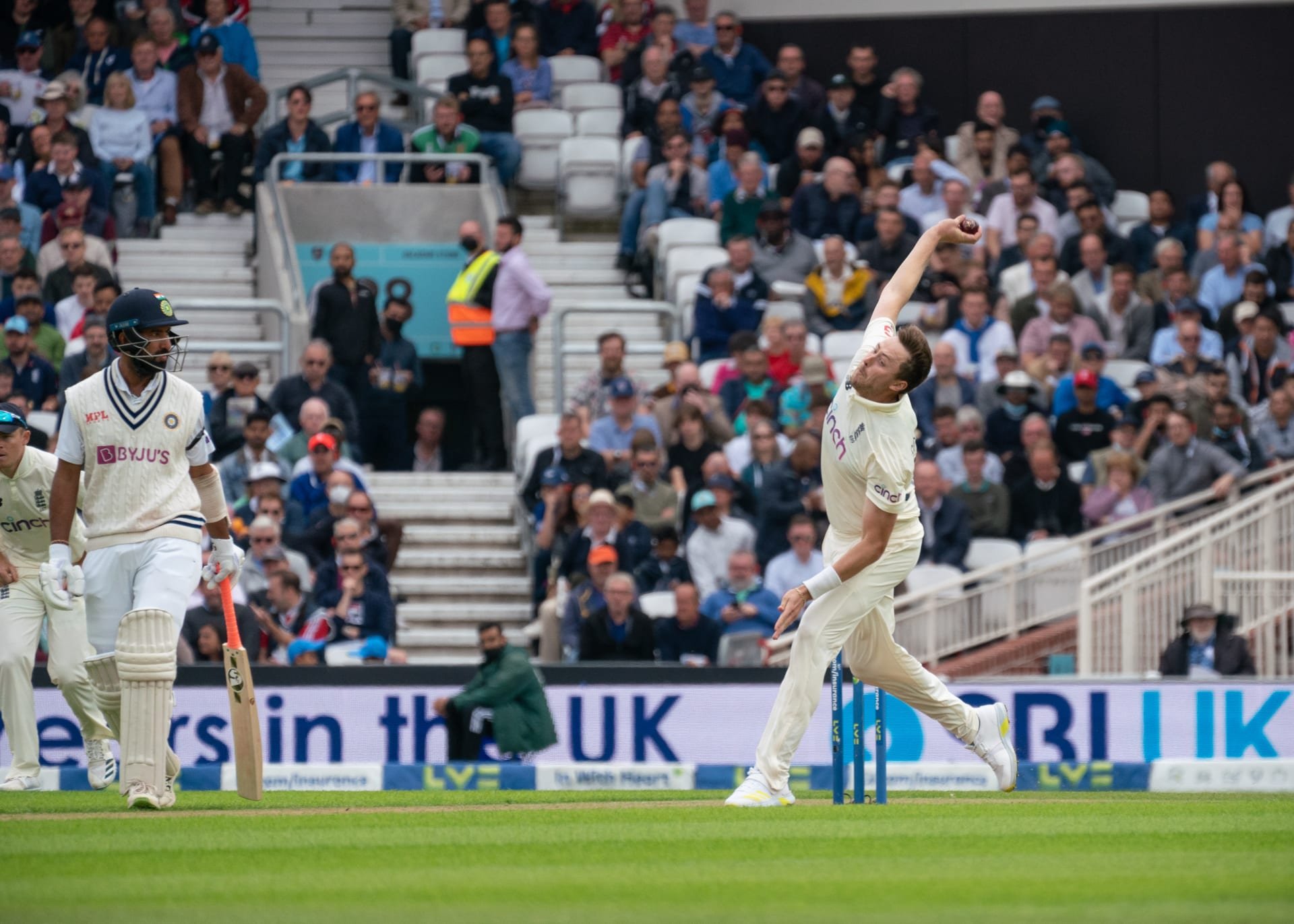
A game of cricket can last anywhere from a few hours to five days, depending on the format played.
Ever wondered how long a game of cricket lasts? It’s a common question, especially if you’re new to the sport. Different formats exist, each with varying time commitments.
Some matches conclude within an afternoon, while others stretch across multiple days. The answer to “how long does a game of cricket last” really depends on whether it’s a T20, One Day International, or a Test match. Let’s delve into it.

How Long Does a Game of Cricket Last?
Cricket, a sport beloved worldwide, isn’t exactly known for its quick matches. Unlike some sports that wrap up in an hour or two, cricket can be a real test of endurance – both for the players and the spectators! So, how long does a game of cricket actually last? The answer, as you might suspect, is not a simple one. It depends heavily on the format of the game being played.
Different Formats, Different Durations
Cricket has several different formats, each with its own rules and, crucially, its own typical length. Let’s take a look at the most common ones and how they affect the game’s duration:
Test Cricket: The Marathon of Cricket
Test cricket is the oldest and arguably most prestigious form of the game. Think of it as the marathon runner of the cricket world. These matches are designed to be a real test of skill, stamina, and patience. Here’s what makes them so long:
- Duration: A Test match is scheduled to last for up to five days. Yes, you read that right – five whole days!
- Days of Play: Play usually takes place over five consecutive days, with a rest day in between some matches, typically if a match gets concluded early. Each day has around six hours of play, but this can be adjusted due to weather conditions, etc.
- Innings: Each team gets to bat twice, which means there could be a total of four innings in a match. These innings can be very long, sometimes taking the better part of a whole day.
- Breaks: There are breaks for lunch and tea each day. These breaks can be anywhere from 20-40 minutes each.
- Variable Length: The length of a Test match can be unpredictable. Some matches end early within three or four days, while others can stretch all the way to the fifth day. Draws are also possible if no team manages to achieve an outright win.
Therefore, when you ask, “how long does a game of cricket last?” and you are speaking about Test matches, be prepared for an intense, multi-day affair. You have to really commit to it.
One Day Internationals (ODIs): A Full Day Affair
Moving on to a shorter, more action-packed format, we have One Day Internationals, commonly called ODIs. These games are much shorter than Test matches but still last a good portion of the day. Here’s the breakdown:
- Duration: An ODI match usually takes around 7 to 8 hours to complete.
- Innings: Each team gets to bat once, with each innings usually limited to 50 overs (an over is a set of six balls bowled).
- Breaks: There is usually a long break between the two innings, it can be 30-45 minutes long
- Match Length: The match length can vary depending on how many breaks are taken due to the weather or any other reason.
ODIs are designed to be more exciting and action-packed than Test cricket. The shorter format means the play is faster-paced, and teams have to score quickly, making it a fan-favorite for many people.
Twenty20 (T20) Cricket: The Fast-Paced Format
If ODIs are action-packed, then Twenty20 cricket, or T20, is like a supercharged version! It is designed to be the most fast-paced and quickest form of cricket. This is perfect for those who want a quick dose of cricket action. Here’s what makes T20 matches so quick:
- Duration: A T20 match typically lasts for around 3 to 4 hours.
- Innings: Each team gets to bat once, with each innings limited to 20 overs.
- Breaks: There is a short interval between the two innings, usually around 10-20 minutes.
- Fast Pace: Because of the fewer overs, batsmen need to score runs fast, and bowlers need to take wickets quickly, making for a thrilling and entertaining spectacle.
T20 cricket is a popular format for leagues and tournaments around the world. It has really taken off in popularity, drawing in lots of new fans due to its shorter length and quick action.
Factors Affecting Match Length
While the above provides a general guideline for how long each format usually lasts, several factors can affect the actual time a game will take. Knowing these can help you understand why some games go on longer or end more quickly than you might expect:
Weather Conditions
The weather plays a significant role in determining the length of a cricket match. Rain delays are one of the biggest culprits. When it rains, play has to stop, and the time lost is often difficult to make up, so these breaks have an impact on the overall length of the match. Here’s how weather affects things:
- Rain Delays: Rain can stop play for short periods or for hours, depending on the severity.
- Light: Poor light conditions can also stop play, particularly in Test cricket where the use of floodlights may be less prevalent or when the natural light is deemed unsafe for playing.
- Rescheduling: In some cases, particularly in Test matches, play may be extended into a later day or the match could be abandoned due to persistent bad weather.
Pace of Play
How quickly the players and umpires move things along can also affect the match length. Here are a few aspects of the pace of play:
- Over Rate: The number of overs bowled in an hour. If the teams are quick, the match is likely to be shorter, and if they are slower, then the game can take much more time.
- Interruptions: If there are frequent injuries, appeals, or other interruptions, then the game can take more time.
- Strategic Breaks: Teams might take slightly longer strategic breaks if they have the leeway, and some games can become even more time consuming due to that.
Type of Match
Even within each format, the kind of match being played can make a slight difference in its duration. For instance:
- International Matches: These matches usually have stricter timekeeping and rules to ensure the game is completed in a reasonable time frame.
- Domestic Matches: Domestic matches can sometimes have more relaxed time rules.
- Day/Night Matches: Day-Night matches, which are more common in ODIs and T20s, can have slightly different timings compared to day matches.
A Quick Guide: Duration of Different Cricket Formats
Let’s summarize the common match durations in a table for easier understanding:
| Format | Typical Duration | Key Features |
|---|---|---|
| Test Cricket | Up to 5 days | Two innings per team, long days of play, can end in a draw |
| One Day International (ODI) | Around 7-8 hours | 50 overs per side, action-packed, one day match |
| Twenty20 (T20) | Around 3-4 hours | 20 overs per side, fast paced, popular |
Understanding Time Limits in Cricket
While the overall duration of a match varies, each format of cricket has its own rules about time and overs within a day. For example, in Test cricket, the number of overs to be bowled each day is usually fixed, and if it’s not achieved, the extra overs can be added at the end of the day. In the one day formats, rules are even more specific, and there’s less wiggle room in most cases. Understanding these rules will help you appreciate how these guidelines impact the flow of the game. The pace of the play and weather can sometime also affect time limit in the game, and in that case, rules can be adjusted to make sure that a fair amount of cricket is played.
Why Cricket Matches Can Feel So Long
If you’re new to cricket, it can be understandable to think, “Wow, this game is taking forever!” Here’s why that is:
- Breaks: Cricket matches have planned breaks for lunch, tea, and innings changes, which can increase the overall time.
- Strategic Play: Cricket is not just about scoring runs quickly. There’s a lot of strategy and patience involved, which sometimes slow the game down.
- Fielding Changes: Teams are constantly changing the field positions, and that can take time too.
- Delays: As mentioned earlier, rain and other interruptions can significantly extend the duration.
The Long Game: Appreciating Cricket’s Unique Tempo
While some people might be put off by how long a cricket match can be, fans around the world enjoy the unique tempo and rhythm of the game. Test matches, in particular, are a true test of endurance and strategy, where fortunes can change over the course of several days. ODI and T20 formats, while faster, still require concentration and tactical thinking. Once you understand the rules, nuances, and various aspects of the game, you start to appreciate the time it takes to play a match. Every break, every change of pace, and each ball bowled contribute to the drama and excitement of the match.
So, next time someone asks you, “how long does a game of cricket last?” you can tell them that it depends. It’s not a simple answer, but that’s part of what makes the sport so fascinating. Each format offers a different experience, a unique pace, and a test of skill, strategy, and patience that is truly captivating.
The varying lengths of cricket matches make each format special. From the strategic chess match of a five-day Test, to the quick-fire thrill of a T20, there’s a cricket experience for everyone. Whether you have the patience for an extended game or the energy for a fast-paced one, the diverse formats cater to all preferences. This adaptability ensures the enduring popularity of cricket across the globe, providing different flavors of the same beautiful sport.
The Rules of Cricket – EXPLAINED!
Final Thoughts
The duration of a cricket match varies significantly. A Test match can span five days. Conversely, a Twenty20 game finishes in just a few hours.
One Day Internationals usually take a full day to complete. Therefore, answering how long does a game of cricket last depends on the format. Time constraints differ drastically between these match types.
In summary, the time a cricket game lasts is not fixed; a Twenty20 differs greatly from a test. Always check the specific format before estimating the length.

