
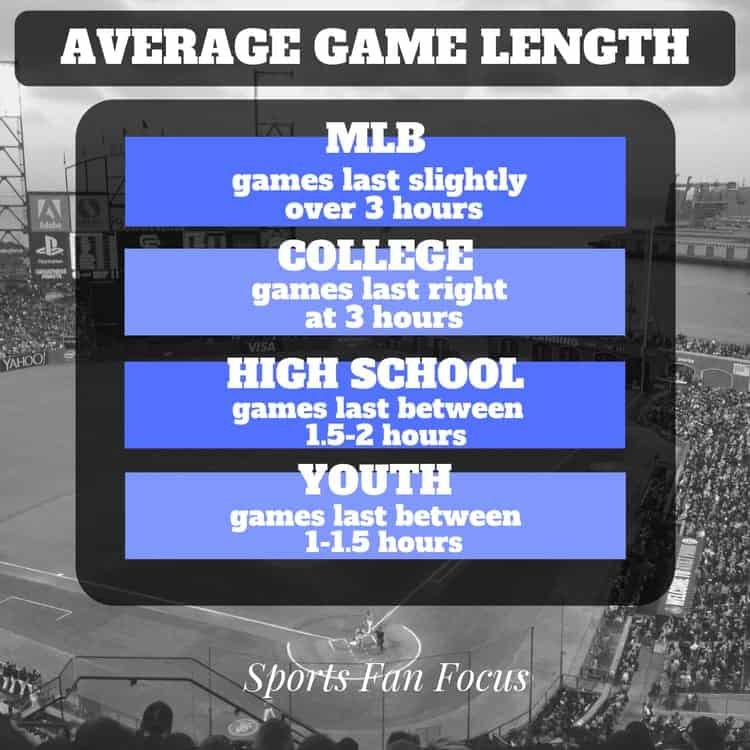
A typical high school baseball game lasts around 2 hours, give or take 30 minutes, depending on factors like pitching changes and extra innings.
Ever wondered how long you will be sitting in the stands watching a high school baseball game? It is a common question for parents, friends, and fans alike. Understanding the typical duration helps with planning.
The question “how long does a highschool baseball game last” often pops up. We all want to know the time commitment before heading out to cheer on our favorite team. Games usually clock in around two hours.
However, some contests can run shorter if the game moves quickly with few interruptions, while others may drag on. These are just some general guidelines for game duration.

How Long Does a High School Baseball Game Last?
Okay, so you’re curious about how long a high school baseball game usually takes, right? It’s a great question because it’s not always a simple answer. Unlike some sports with set time limits, baseball’s a bit more fluid. We’re going to break down everything that affects the length of a game, so you’ll know what to expect whether you’re a player, a parent, or just a fan in the stands.
The Standard Length: Seven Innings
The first thing to know is that a standard high school baseball game is seven innings long. Think of an inning like a round in a game. In each inning, both teams get a chance to bat and try to score runs. When one team bats, the other team plays in the field, trying to get the batters out. After both teams have batted, one inning is complete. That’s what the seven innings rule is about.
Now, you might be thinking, “Okay, seven innings, that sounds straightforward.” But hold on a minute, because things can get a little more complicated. Just because a game is supposed to be seven innings doesn’t mean it will always finish in exactly the amount of time you might expect, the seven innings standard is like the guideline.
Factors Affecting Game Duration
Several things can make a high school baseball game take longer (or sometimes even shorter) than you might think. Let’s explore some of these factors:
Pace of Play
The pace of play is a huge factor in how long a game lasts. Some teams play really fast, with quick pitching and batting changes, while others might be more deliberate. If pitchers take a long time to get ready, or batters take their time stepping into the box, it all adds up. If a pitcher is struggling, or if there are a lot of pitching changes, the time between pitches can increase considerably. The umpires can also influence the speed of the game based on how quickly they make calls.
Number of Hits and Walks
If teams are getting a lot of hits and walks, this means the ball is in play more and there are more runners on base. When that happens, it takes more time. More runners also means more plays at bases and potential scores, which makes things take longer. These are like big plays or when players are really good at getting on base. Games with a lot of base runners are more time consuming than low-scoring, quick games.
Errors and Defensive Plays
Sometimes, the game is slow because of errors by fielders. Errors can cause an inning to last longer. Also, if a team has great defensive plays which includes multiple great catches, and fast throws, then the inning may get over quickly. The number of errors, and the kind of defensive plays that happen, greatly impact a game’s duration. Games can get drawn out by defensive miscues.
Pitching Changes
Pitching changes are another significant time eater. When a coach decides to bring in a new pitcher, there’s a bit of a pause. The new pitcher needs time to warm up, and this adds more time to the game. Also, if many pitching changes occur throughout the game, the game length can increase because of the warm up time. Sometimes, a team will have a lot of pitching changes if their starting pitcher gets tired or isn’t throwing strikes.
Extra Innings
One big way a game can go longer is when there’s a tie. In baseball, if the score is tied after seven innings, the teams play extra innings until someone wins. Sometimes it can take several extra innings before a winner is decided, and this can greatly increase the game time. Games with extra innings can feel like they never end!
Weather Delays
Bad weather is one of the worst enemies of a baseball game’s schedule. Rain delays are very common in baseball. If it starts raining, play might be stopped until the rain ends. This can cause the game to take longer, with the possibility of a game getting canceled or continued the next day.
Injuries and Timeouts
If a player gets injured, the game has to stop so they can get help. Also, if a team uses a lot of timeouts, then this can add to the length of the game. All of these things stop the flow of the game, which will end up making it take longer. These pauses are necessary but they do add to the game time.
Mercy Rule
The mercy rule is a rule that can shorten a game, unlike the factors that make games take longer. If one team is winning by a lot of runs, the game might end early. The exact rules for the mercy rule differ slightly by league and state. It’s usually a rule designed to prevent one team from completely dominating and demoralizing the other. Generally, if a team is ahead by a certain amount of runs (e.g., 10, 12, or 15 runs) after a certain number of innings (usually 5 or 6), the game is called at that point. The mercy rule helps to shorten games that are no longer competitive.
Average Game Time
Okay, so after all those factors, what’s a good average to expect? While it can vary, most high school baseball games typically last between 1 hour and 45 minutes and 2 hours and 30 minutes. Games with lots of scoring, errors, and pitching changes can sometimes even run closer to three hours or more, though that’s not very typical. Remember this is just an average, and your individual game can be shorter or longer.
Table: Factors Affecting High School Baseball Game Length
| Factor | Effect on Game Length |
|---|---|
| Pace of Play | Faster pace = shorter game; slower pace = longer game |
| Number of Hits and Walks | More hits and walks = longer game |
| Errors | More errors = longer game |
| Defensive Plays | Better defensive plays = shorter game |
| Pitching Changes | More pitching changes = longer game |
| Extra Innings | Extra innings = much longer game |
| Weather Delays | Weather delays = longer game (or postponement) |
| Injuries and Timeouts | More injuries and timeouts = longer game |
| Mercy Rule | Mercy rule = shorter game |
Tips for Estimating Game Length
Even with knowing all this, it can be hard to predict exactly how long a particular game will take. Here are a few tips to help you get a better guess:
Consider the Teams
Are the teams usually fast-paced or slow-paced? Some teams have a habit of being quick while others have a habit of being slow. If you know their general playing style, this can help you predict the game duration. You may even ask other people familiar with teams.
Look at the Weather
Is it cloudy? Is there chance of rain? Be sure to look at the forecast before the game. If rain is in the forecast, the game might take longer due to delays, or it might even be postponed to a different day.
Consider the Game Type
Is this a championship game or just a regular season game? Championship games may tend to take longer since there is more tension and excitement involved, which can slow things down. A regular game might be quicker paced, if both teams are more relaxed.
Observe the First Few Innings
Pay attention to how the game is going in the first couple of innings. Are the pitchers throwing strikes? Are the batters getting on base? This can give you clues about how the rest of the game might go. If the first few innings are taking long, it’s likely the overall game might be longer.
So, while it’s tough to give an exact answer, understanding these factors will give you a much better sense of what to expect when you head to a high school baseball game. Remember, baseball is a sport where things can change quickly, and that’s part of the fun!
Understanding that a typical high school baseball game lasts for about 1 hour and 45 minutes to 2 hours and 30 minutes is helpful. There are lots of reasons why game lengths can change, from how the teams play, to weather, and other in-game situations. Knowing all this will make you a more knowledgeable fan at your next high school baseball game.
THE LAST GAME💔 #shorts #baseball #highschoolsports #highschoolbaseball
Final Thoughts
So, how long does a highschool baseball game last? Typically, a high school baseball game goes for about seven innings. This usually takes around two hours to complete. However, the exact time can fluctuate based on various factors.
These factors include pitching changes, injuries, and the number of hits during the game. If there are many pitching changes, the game can go longer. Conversely, a game with few hits could take less time. These situations all affect how long a highschool baseball game lasts.

