
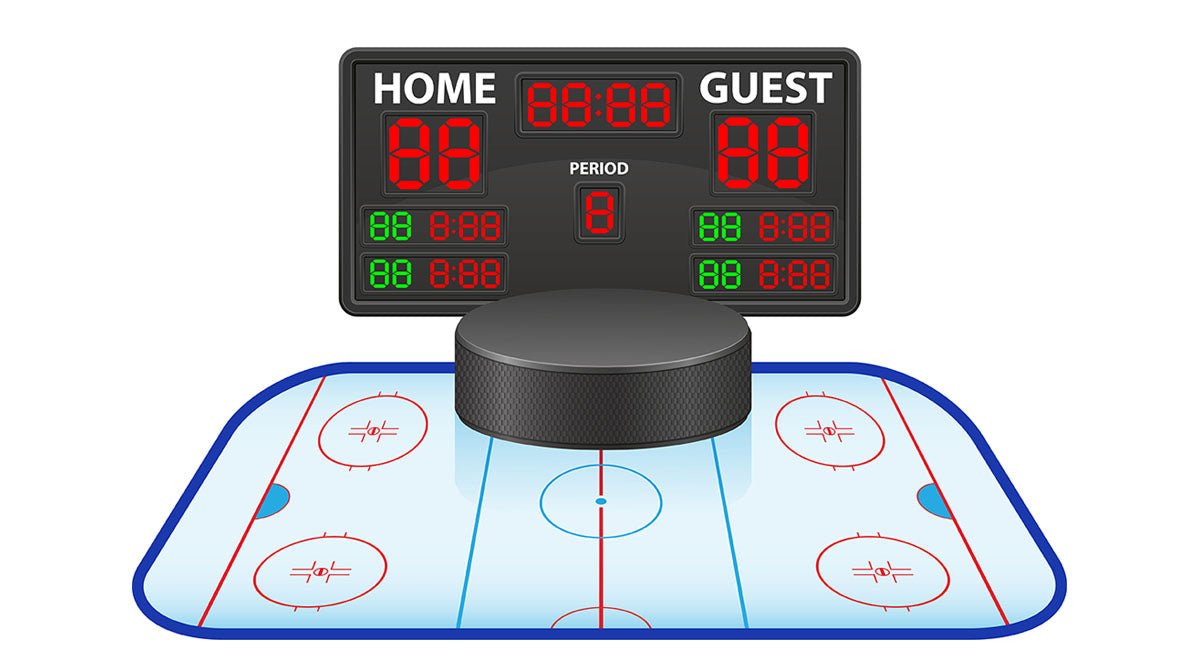
A typical hockey game lasts for 60 minutes of playing time, divided into three 20-minute periods, with intermissions in between.
Ever wondered how much time you’ll need to set aside to enjoy a full hockey match? It’s a common question for fans, especially newcomers: how long does a hockey game typically last? The answer isn’t as simple as a straight hour, though.
While the on-ice action itself runs for a full 60 minutes, spread across three periods, you have to factor in breaks, too. These breaks, plus stoppages during play, add some extra time to the overall experience.
So, plan for more than just an hour if you’re heading to the arena. Consider around two and a half hours to three hours for the total game duration.

How Long Does a Hockey Game Typically Last?
Ever wondered how long you’ll be glued to your seat watching a hockey game? It’s a pretty common question, and the answer isn’t always a simple one. While a standard hockey game has a set structure, several factors can influence the total time it takes from puck drop to the final buzzer. Let’s break down what makes up the length of a hockey game and explore some of the things that can make it shorter or longer.
The Anatomy of a Standard Hockey Game
At its core, a hockey game is divided into three main periods. Each period is 20 minutes long, but that’s not the only time involved. Let’s delve into each part:
Regulation Time: The 20-Minute Periods
A standard hockey game has three periods of play. Each period lasts for 20 minutes of actual playing time. This means that when the puck is in play, the clock is running, and when the game stops, the clock stops too. This is different from other sports where the game clock runs continuously.
This 20-minute-period concept is consistent across professional leagues such as the NHL (National Hockey League), as well as college and minor leagues. It’s a standard of the game that fans can always expect. However, these periods are part of the larger time, they do not show the total time of game.
Intermissions: Time to Recharge
Between each period, there are intermissions where players get to rest, coaches discuss strategy, and the ice gets resurfaced. These breaks are essential. The first and second intermissions are typically 15 to 18 minutes long. The time may depend on the league or the particular arena, with the TV broadcast also playing a role in the exact length. These intermissions add time to the total game length.
Intermissions give players a chance to catch their breath and recover, get medical attention as necessary, make adjustments to their strategies, and hydrate. For fans, it’s a time to grab snacks and drinks or visit the restrooms. The Zamboni machine also does its magic during this time, preparing the ice for the next period.
How Long Is the Total Game Play Time?
If you add up the three 20-minute periods, you get a total of 60 minutes of playing time. So, a standard hockey game has an hour of actual game play. However, with the intermissions and stoppages, the total time is typically much longer.
Factors Affecting the Total Game Time
While the game is made up of three 20-minute periods, several other things can make the game’s total time vary, from minor to major. Here’s what you need to be aware of:
Stoppages in Play
One of the main reasons why a game extends beyond the 60-minute playing time are the stoppages during gameplay. Whenever the play is stopped, so is the clock. There are many reasons for stoppages, such as:
- Penalties: When a player commits a penalty, play stops, and the penalized player goes to the penalty box, depending on the severity of the penalty. This can vary from 2-minute minor penalties to 5-minute major penalties or game misconducts and match penalties. The game resumes after the penalty expires or the opposing team scores a power-play goal.
- Icing: If a player shoots the puck from behind their own blue line all the way to the opposite end without it touching another player, it is an icing violation. The game is stopped and the face-off happens in the defensive zone of the team that iced the puck.
- Offsides: A player has to enter the opposing team’s attacking zone behind the puck, or else an offside occurs. This results in the play stopping and the face-off taking place outside the offensive zone of the team that was offside.
- Puck out of Play: When the puck goes out of the playing area, whether it’s in the stands or off the side boards, the game has to stop until a new puck is introduced back into play.
- Injuries: Any injuries that happen during the game will cause a stop in play, and the medical personnel will attend to the injured players.
- Goals Scored: Every time a goal is scored, the game is briefly stopped for the goal to be reviewed if needed. It is also paused to restart the game with a faceoff in the center.
- TV Timeouts: During games that are broadcasted, there are time-outs built into the game, which are generally for advertising purposes. However, these breaks also allow the players to regroup and rest.
- Video Review: In modern hockey, many goals or potential penalties can be reviewed by video to ensure the correct call was made. This can add time to the game.
All these stoppages add minutes to the actual game clock and contribute to the total game length. The frequency of these interruptions during gameplay will affect how much longer the total game time is compared to the 60 minutes of standard play.
Overtime and Shootouts
Sometimes the game ends in a tie after the three regular periods. In these cases, the game continues in what is known as “overtime.” Here’s how overtime works in the NHL and other major leagues:
NHL Overtime
During the regular season, if the game is still tied, the teams will play a 5-minute sudden-death overtime period with three skaters each on the ice, excluding the goalies. This is called 3-on-3 overtime, where the first team to score a goal wins. If no goal is scored, the game goes to a shootout.
Shootouts
A shootout takes place when the game remains tied after overtime in the regular season. Each team selects three players to take penalty shots, going one after another. If the game remains tied after each team has taken three shots, the shootout continues round-by-round with different players, until a team gains a lead and wins.
In playoffs, the rules are different. Overtime periods continue until there is a winner, with no shootouts at all. These are 20-minute periods with a regular 5-on-5 setup, with the same stop-clock rules, but with sudden death – the next goal wins. These can go on and on for multiple overtime periods, making games very long.
Playoff Games and Their Extended Time
Playoff hockey can have much more variability when it comes to game time. As mentioned earlier, unlike regular season hockey, playoff games don’t have a shootout after overtime. Instead, overtime will continue with 20-minute periods until a goal is scored. This means that a playoff game could last well beyond a typical hockey game.
This can make playoff games incredibly exciting, but also much longer. For fans, this means you need to plan for a possible longer night at the rink if you’re attending a playoff game. These games can often last for many periods of overtime. Sometimes multiple overtimes happen in a single game. This makes them very suspenseful for the viewers, but it also increases the length. A single playoff game that goes into double or triple overtime can take several hours.
Average Time of a Hockey Game: Factoring in Everything
So, with all of these factors in mind, what’s the typical amount of time it takes to finish a hockey game?
Total Game Time
While a regulation hockey game consists of three 20-minute periods, most hockey games will run much longer. The average length of a hockey game, including all intermissions and stoppages, is between 2 hours to 2 hours and 30 minutes. In playoffs, the total time for a game can be between 2 hours and 30 minutes to even 4 hours or longer, if it goes into multiple overtimes.
This time is just an average and it can vary for each game. Some games are very fast-paced with few stoppages, and those games may end faster, but some games can get bogged down with penalties and other stoppages, which can increase the total time of the game. It’s important to note that even during fast-paced games, intermissions add a significant amount of time, which makes the average game time usually 2 to 2.5 hours.
Factors That Influence Variations in Game Length
Here is the summary of factors that will influence the total time of a hockey game:
- Number of penalties: Games with a lot of penalties will run longer because of the stoppages and power-play sequences.
- Number of goals: Each goal causes a short stoppage in the game.
- Frequency of icing or offsides: These stoppages can add to the total game time.
- Injuries: Any injuries that happen will stop the game clock. The severity of the injuries will affect the length of the stoppage.
- Television timeouts: For televised games, there will be TV timeouts, which will add to the time of the game.
- Overtime: An overtime period can add to the game length, and playoff overtime can greatly increase the total game time as multiple overtimes may be played.
Game Time Across Different Levels of Hockey
The duration of a hockey game can also vary depending on the level of play. While professional leagues like the NHL have standardized times, other leagues and levels have some differences:
Youth Hockey
Youth hockey games usually have shorter periods than pro leagues. Depending on the age group, these periods may last 12 or 15 minutes each, and intermissions may be shorter. This is because youth games are about player development and ensuring that they are not getting too much physical activity at once. This means that they may only have 1.5 hours of playing time compared to the professional leagues.
College Hockey
College hockey games generally follow the same structure as professional games, with three 20-minute periods and 15-18 minute intermissions. However, there can sometimes be minor variations when it comes to penalties or overtime rules. Usually, they will use the same rule set as the professional league in the region.
Other Professional Leagues
While most major professional leagues follow the NHL’s rules, there might be slight differences in smaller professional leagues worldwide. It’s important to keep an eye on the specific rules for the different leagues, as these can affect the total length of the game. For example, some minor professional leagues may have different rules about when play stops.
Watching Hockey Live: What to Expect
Planning to attend a hockey game in person? Here’s what you can expect regarding the time commitment:
Time Commitment
When attending a hockey game, plan for around 2.5 to 3 hours of time for the entire experience, including travel to and from the arena. Arrive a little early if you want to catch the pre-game warmups or explore the arena. If it’s a playoff game, remember to add extra time to your plan, as the game could go into overtime.
How to Track the Game Time
Most arenas have clocks that display the time remaining in the period, making it easy to track. TV broadcasts often show how much time has been played and how much remains. This will help you to know the approximate time remaining of the game.
Things to Consider
Before you head to the game, consider these points:
- Transportation: Give yourself enough time to arrive before the game begins, consider traffic, and make sure you have arranged parking.
- Food and Drinks: Concession lines can be long during intermissions, so plan accordingly.
- Late Night: Games can end late at night, especially if there is overtime. Plan your evening with these possibilities in mind.
Understanding the time of a hockey game gives you an idea of what to expect. You now have a clear idea of all of the elements that affect the overall duration of a game, from the standard three periods to the excitement of overtime and the interruptions during gameplay.
With this information, you can comfortably plan your game days, whether you are watching from home or in the arena.
How long do high school hockey games last?
Final Thoughts
A standard hockey game lasts for 60 minutes of playing time, divided into three 20-minute periods. There are intermissions between each period, which add to the total time. Penalties also pause play, further lengthening a game.
So, considering intermissions and potential stoppages, a typical hockey game goes for about two and a half hours. The exact duration of a match, however, will vary. It primarily depends on the number of penalties called and other game-related factors.
Therefore, how long does a hockey game typically last? Expect to spend around two and a half hours at a live event or in front of a screen. Plan accordingly for the game.

