
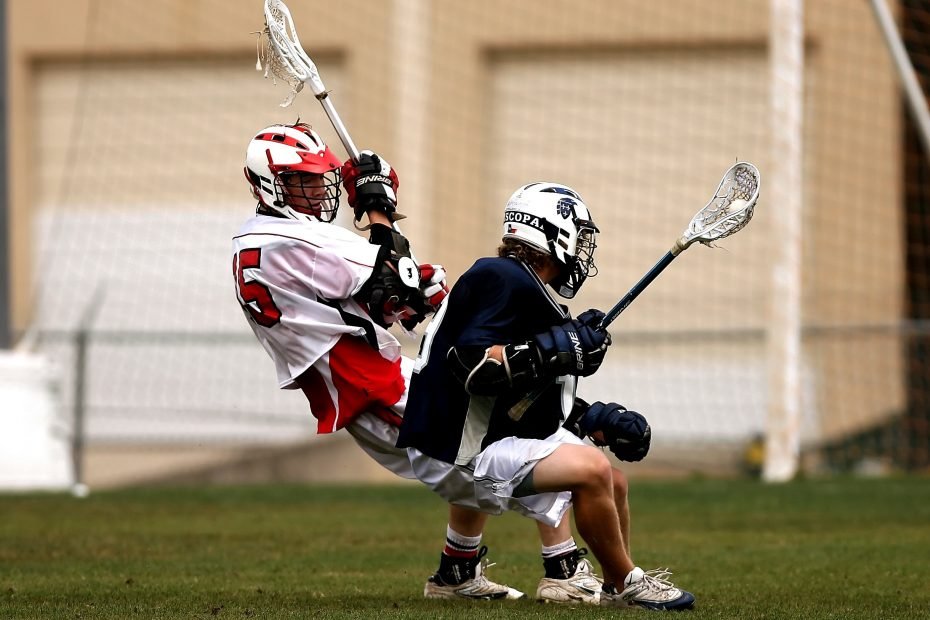
A standard lacrosse game typically lasts for 60 minutes, divided into four 15-minute quarters.
Ever wondered about the pace of a lacrosse match? Many fans and newcomers ask, “how long does a lacrosse game take?” It’s a valid question, considering the dynamic action involved.
The game clock stops for penalties and time-outs, which might add to the overall duration. These stoppages do not usually drastically change the game length though.
So, while the clock ticks for 60 minutes of play, the total time at the field could be a bit longer.

How Long Does a Lacrosse Game Take?
Okay, so you’re curious about how long a lacrosse game lasts, right? It’s a fantastic question because it can change depending on a few things. Lacrosse isn’t like, say, a soccer game, where it’s almost always the same length. Lacrosse has different time rules depending on the level of play. We’re going to break it all down for you, so you become a lacrosse timing expert! From the youngest players just learning the ropes to the pros showcasing their talent, game length varies. Let’s dive into the details and explore how long you can expect to be watching (or playing!).
Understanding Game Clock Basics
Before we talk about specific times, let’s make sure we all understand how the game clock works in lacrosse. A lacrosse game is divided into parts called periods or quarters. These quarters are not always the same length. There is also a halftime break in the middle of the game. And just like in basketball, the clock stops sometimes. When the whistle blows, the clock usually stops. This happens when a penalty occurs, when a goal is scored, or when the ball goes out of bounds. This “stopping time” makes the overall game take a bit longer than just the playing time you see on the clock. This type of clock management is what adds time to the lacrosse game. So, you will see a difference between the actual playing time, and the total time from the start to the end of the game.
Youth Lacrosse Game Lengths
For younger players, the games are shorter, which makes perfect sense because kids don’t have the same stamina as older players. The game length also keeps the fun in the game, rather than tiring young kids out.
U7 and U9 Lacrosse
At the youngest levels, like U7 and U9, you’ll find the shortest games. These games usually consist of four 10-minute quarters. This means that the total playing time for these games is 40 minutes. However, adding the time between quarters, the halftime, and the stoppages for whistles, the total time from the start to the finish can be around an hour. This keeps the kids engaged without them becoming overly tired. Also, these short games allow for more practice and learning opportunities for new lacrosse players.
U11 and U13 Lacrosse
As players get a little older and more skilled, games get a bit longer. For U11 and U13 leagues, a common game format is four 12-minute quarters. That increases the total playing time to 48 minutes. With the breaks and stoppages, these games can typically take about an hour and fifteen minutes. This increased playing time helps players develop their game sense and stamina.
Variations in Youth Lacrosse
It’s very important to note that youth lacrosse game lengths can vary a bit based on the local league or organization. Some leagues may opt for slightly shorter or longer quarters. Therefore, it is always a good idea to check with your local lacrosse program for the exact timing details for your specific area. Here is a very basic general table of common youth time lengths.
| Age Group | Quarter Length | Total Playing Time | Approximate Total Game Time |
|---|---|---|---|
| U7 & U9 | 10 minutes | 40 minutes | ~ 1 hour |
| U11 & U13 | 12 minutes | 48 minutes | ~ 1 hour 15 minutes |
High School Lacrosse Game Length
High school lacrosse games are longer and more structured compared to youth leagues. This reflects the higher level of athleticism and skill of the players. You will find standard regulations at the high school level that are followed by the majority of leagues.
Standard High School Game
A typical high school lacrosse game has four 12-minute quarters, which brings the total playing time to 48 minutes. This is the same as U11/U13 youth lacrosse, but the pace of play is usually much higher. However, due to stoppages in play, the entire game can last about an hour and a half. This added time is due to the halftime break, timeouts, penalties, and the time it takes to reset after a goal is scored. Therefore, you can expect to be in your seat cheering for a good amount of time when watching a high school game!
Halftime
Halftime is typically around 10-15 minutes long. This allows the players to rest, get a drink, and receive coaching instruction. This break also gives spectators time to refresh and get ready for the second half of the game. It’s an essential part of the game and contributes to the total game time.
Timeouts
Coaches also get timeouts, typically two or three per game. They use these timeouts strategically to call plays, discuss team strategy, or just to give their players a moment to rest. While each timeout only takes a minute or two, these add up and increase the overall game duration.
Overtime
What if the game is tied at the end of regulation? Well, that’s when things get exciting with overtime! If the teams are tied after four quarters, they’ll play one sudden-victory overtime period. The first team to score in overtime wins the game. The overtime period is typically four minutes long, and that clock also stops for whistles like the regulation game. There are times when overtime is played, and still, the teams are tied. This will result in another overtime, until a goal is scored. These overtime periods can add time to the game, and increase the suspense of the game.
College Lacrosse Game Length
College lacrosse games follow slightly different rules than high school and youth. The college game has a higher level of play, and higher fitness levels, and the time also matches those higher levels. Here is a good idea of the general time structure in the college game.
NCAA Regulations
In NCAA (National Collegiate Athletic Association) lacrosse, a game is divided into four 15-minute quarters. This makes the total playing time one hour (60 minutes). The longer quarters make the game more challenging. The stop clock for whistles means the total time from start to end is usually around two hours. The added breaks and timeouts lengthen the game significantly.
Timeouts
In college lacrosse, each team has two or three timeouts per game. Similar to the high school rules, these timeouts add a bit to the total game time. They allow coaches to make adjustments, or give the players time to catch their breath.
Halftime
Halftime is a bit longer in college than it is in high school. It’s usually around 15-20 minutes. This extra time gives players more time to recover and receive more coaching. It also provides fans the time to visit the concession stand.
Overtime
If there’s a tie after the regular four quarters, the game goes into sudden-victory overtime. These overtime periods, just like in high school games, are usually four minutes long. The first team to score wins the game. If the tie continues, the teams will continue to play overtime until a goal is scored. Again, this can add time to the end of the game.
Shot Clock
The college game has another factor that can influence the total game time – the shot clock. College lacrosse uses a 30-second shot clock. That is, the offensive team must take a shot on goal within 30 seconds of having possession. If a shot is not taken within that time frame, the ball is turned over to the other team. It does not influence the game time length necessarily, but it does make the game move faster, and more intensely. It also can cause more possessions, which means more stoppages, which can lengthen the game time.
Professional Lacrosse Game Length
When we get to the professional level of lacrosse, the game length remains very similar to the college game. The pace of play increases, and the intensity is higher. Here is a look at how long a pro lacrosse game lasts.
National Lacrosse League (NLL)
The National Lacrosse League (NLL), which is indoor box lacrosse, also has a specific structure. NLL games are divided into four 15-minute periods, totaling 60 minutes of playing time. However, like other levels of lacrosse, the total time of the game is around two to two and a half hours, due to stops in play, penalties, and intermissions.
Premier Lacrosse League (PLL)
The Premier Lacrosse League (PLL) is an outdoor professional lacrosse league. The PLL uses a format of four 15-minute quarters, for 60 minutes of playing time. With the breaks, timeouts, and stoppages, the game’s length is around two hours long. It is common to find games lasting longer, due to many stoppages, and long review times.
Professional Overtime
Professional lacrosse uses a sudden-victory overtime rule if the score is tied at the end of regulation. Just like the other levels of lacrosse, the first goal scored in the overtime period wins the game. Also, just like other levels of the game, overtimes can continue until a goal is scored, increasing the total time of the game.
Timeouts
Both the NLL and PLL give each team a set number of timeouts to use during the game, which adds to the total game time. These strategic timeouts are very important for the coach to be able to give instructions or rest the team.
Factors That Influence Game Length
While we’ve covered the typical game lengths at different levels, several factors can impact exactly how long a lacrosse game takes. Let’s take a look at a few.
Penalties
Penalties are a big part of lacrosse. They range from minor infractions to more serious penalties, and they all contribute to the total game time. When a penalty occurs, the clock stops while the referee makes the call. This is called a stoppage, and can add a bit of time to the overall game.
Injuries
Unfortunately, injuries do occur in lacrosse, just like other sports. If a player gets hurt, the clock stops while medical personnel come onto the field. These injury stoppages can vary a lot, from a short period to long periods of time, if a player requires medical attention. The overall game time is extended in order to give adequate care for the player.
Timeouts
Timeouts are strategically used by coaches. Both teams are given multiple timeouts during the game, and this is one more place where the game clock stops. Coaches use these times to discuss plays, talk about strategies, or just give their players some time to rest. While timeouts are a valuable aspect of the game, they add more time to the end of the game.
Replay Reviews
At the college and professional levels, there’s often the use of instant replay. Sometimes, a referee will call for a replay review to check if a goal was scored properly, or if a penalty was missed. Replay reviews stop the game clock, and will add time to the end of the game. The longer the replay review is, the more time it will add to the game’s duration.
Clock Management
In lacrosse, as with any sport, teams will manage the clock, especially in the closing minutes. If a team is ahead, they might use strategies to hold onto the ball, and make the clock run. If a team is behind, they will want to go faster, to try and score. Clock management can cause changes to the pace of the game, and can also add time to the end of the game.
Why Does the Clock Stop So Often?
Lacrosse has many stoppages, which makes the total time very different from the actual playing time. Many different aspects of the game cause these stops. We have discussed most of them, but lets go into them again. Here’s a quick list.
- Penalties
- Goals being scored
- Ball going out of bounds
- Timeouts
- Injuries
- Replay Reviews
The stopping of the clock is an important feature of the game. It keeps the game fair, and ensures that players are following the rules. Because lacrosse is a very physical game, it is vital that the clock is stopped often, to protect the players.
In summary, knowing how long a lacrosse game takes is important for both the fans and players. Game length varies with different levels of play, and game situations. Understanding what causes the variation of time lengths helps everyone understand why the games last as long as they do. Whether you’re watching your child on the field, or watching professional athletes, you now have a better understanding of the timing rules in lacrosse.
Boy's Lacrosse Rules Explained! (2024)
Final Thoughts
A standard lacrosse game takes about 60 minutes of play, separated into four 15-minute quarters. This time does not include breaks between periods. Also, clock stoppages for penalties or other events can increase the overall game time.
Therefore, understanding how long does a lacrosse game take requires considering the breaks and stoppages. You should plan for more than just the 60 minutes of play.

