
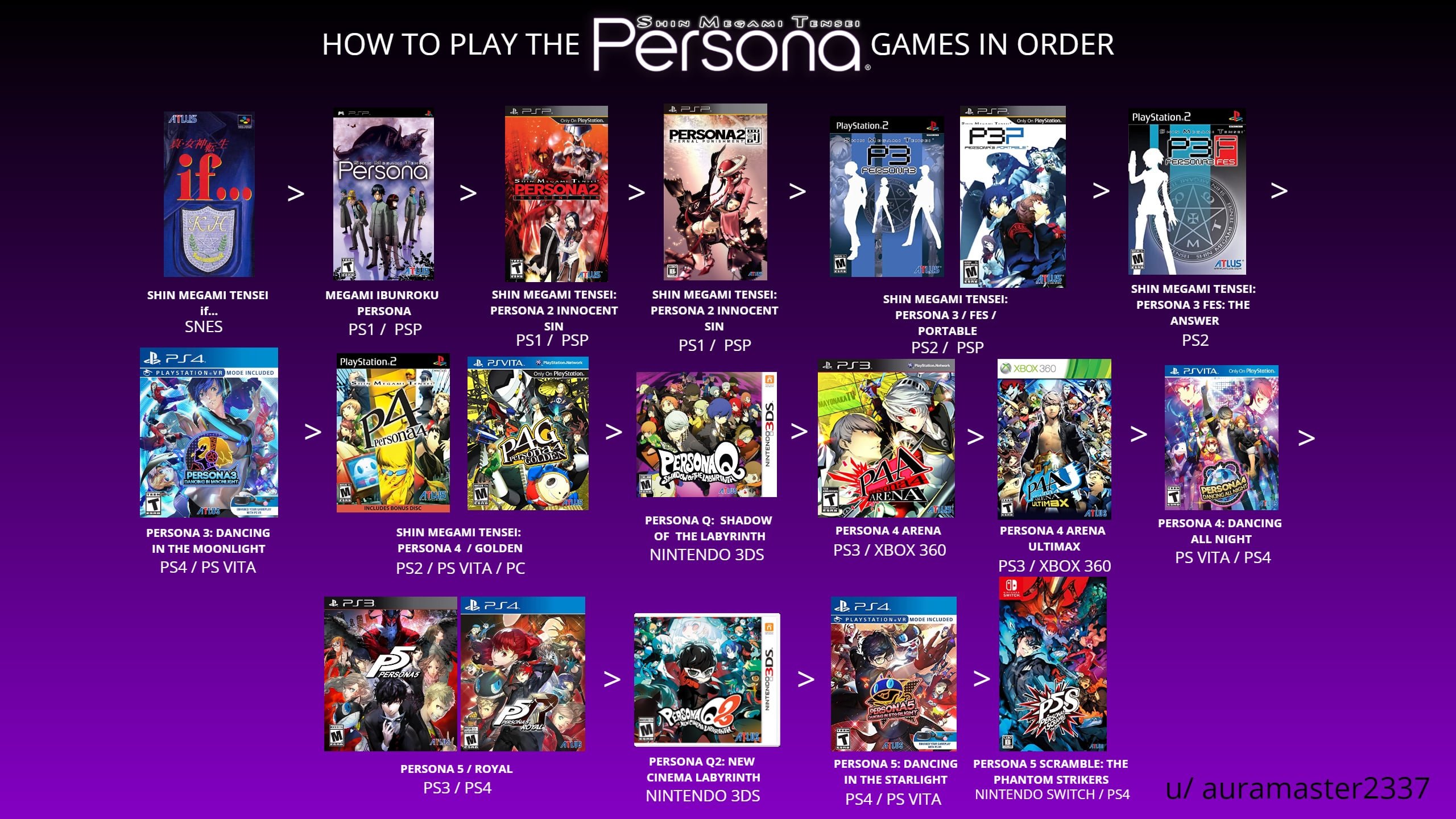
The best order to play Persona games is generally by release date, starting with Persona 3, then Persona 4, and finally Persona 5, though you can play them independently.
So, you’re diving into the world of Persona, a fantastic series, and you’re wondering what order to play persona games? It’s a common question since each entry tells a unique story with its own cast. You might be thinking do the stories connect, or which game should I try first?
Though the stories don’t directly link, experiencing the games in their release order lets you appreciate the series’ evolution. This will make it easier to grasp the core mechanics and enjoy the refinements added in each entry. Ultimately the decision is yours; start wherever your interest lies.

What Order to Play Persona Games
So, you’re ready to jump into the awesome world of Persona! That’s fantastic! But with so many amazing games in the series, it can be a little confusing figuring out where to begin. Don’t worry, we’re here to help! The Persona series, known for its blend of JRPG turn-based combat and social simulation, offers hours of engaging stories and memorable characters. While each Persona game has its own unique narrative, understanding their connections (or lack thereof!) can greatly enhance your playing experience. This guide will walk you through the best way to approach this fantastic series. Let’s explore the best playing order for the Persona games, whether you’re a series newcomer or a long-time fan.
Understanding the Persona Series
Before we dive into the recommended play order, it’s important to understand how the Persona games are structured. Unlike some other RPG series, the Persona games aren’t direct sequels to each other in terms of story. They share a common universe, often called the “Shin Megami Tensei” universe, and some themes are consistently present, like the use of Personas, battles with Shadows, and the high school setting. Think of them more as different stories within the same world, kind of like how different books in a fantasy series might each focus on a unique set of characters and plots. The main numbered games, such as Persona 3, Persona 4 and Persona 5, are mostly standalone experiences. You don’t need to have played a previous game to understand the core story of the next one.
Core Elements Across Persona Games
- Personas: These are manifestations of the characters’ inner selves, used as their powers in combat.
- Social Links (or Confidants): Building relationships with characters outside of combat is crucial. These help to power up your Personas.
- Turn-Based Combat: The games feature strategic turn-based battles against Shadows and demons.
- High School Setting: The main games usually take place in the everyday lives of high school students.
- Story Themes: They explore themes like friendship, identity, societal pressure, and overcoming personal struggles.
The Recommended Play Order for Newcomers
If you are new to the Persona series, the best order to start is with the games that are considered easier for newcomers to get into, that provide a better overview of the game’s core mechanics, and are more readily available on modern consoles. Here’s a suggested path:
Persona 5 Royal First
Many recommend beginning your Persona journey with Persona 5 Royal. It’s widely considered one of the most polished entries in the series, boasting a great story, stylish graphics, and a very accessible introduction to the core mechanics. Persona 5 Royal is an enhanced version of the base Persona 5, and it includes significant improvements, more content, additional characters, and an expanded story, which is why it’s often favored as the best starting point. Its modern interface and user-friendly design make it the easiest game for newcomers to grasp.
Next, Persona 4 Golden
After experiencing the stylish and modern world of Persona 5 Royal, diving into Persona 4 Golden is a great next step. It may feel slightly older in terms of visual style and some mechanics when compared to Persona 5, but its engaging story, cast of lovable characters, and compelling mystery are incredibly fun to experience. Persona 4 Golden is also considered as an enhanced version of original Persona 4, like Persona 5 Royal, it includes quality of life upgrades, some new features, and added new content that makes it the definitive way to play. Playing this after Persona 5 allows you to appreciate the series’ evolution while still enjoying an amazing experience.
Then, Persona 3 Reload or Persona 3 FES
After enjoying the mysteries of Persona 4, players can then step back to Persona 3. For many years, players could experience the Persona 3 story through the original Persona 3 game or the enhanced version Persona 3 FES, but now Persona 3 Reload stands as the definitive version of the game. Persona 3 introduces a lot of the gameplay mechanics that became series staples, like the social links system, but with a darker tone than Persona 4 and 5. Both Persona 3 Reload and Persona 3 FES are excellent options but for those looking for a more modern experience Persona 3 Reload is the clear option, as it is a completely new remake of the original game, but it excludes the additional storyline of Persona 3 FES, which can be played after if you want to have the complete experience. Experiencing the Persona 3 after Persona 4 and 5 makes the transition easier, as it is much more dated.
Why This Order?
- Accessibility: Persona 5 Royal offers a great modern experience with very clear tutorials and a user-friendly interface. This helps you get used to the gameplay concepts of the series before moving on to games with more older mechanics.
- Progression of Mechanics: By starting with Persona 5 and moving to Persona 4, then Persona 3, you see the evolution of gameplay and systems and mechanics, making each game feel more like a progression of a specific formula.
- Story Variety: Each game has a distinct story and cast of characters, ensuring that you don’t feel like you’re playing the same game multiple times.
- Availability: These games are readily available on modern consoles like PlayStation, Xbox, Nintendo Switch, and PC, making them easy to access.
Exploring Other Persona Titles
Once you’ve played the main numbered games, you might want to explore other titles in the series. These are generally considered spin-offs or alternative experiences, they offer unique gameplay experiences within the Persona universe. Here’s a look at some other titles:
Persona 5 Strikers
Persona 5 Strikers is a direct sequel to the story of Persona 5 and Persona 5 Royal. However, it’s different in terms of gameplay. Instead of classic turn-based battles, it features action-RPG combat akin to the “Musou” or “Warriors” style of games, with a huge number of enemies on the screen. Players get to explore various locations, fighting hordes of enemies while still enjoying the Persona storyline. It’s a great choice for fans of action games who like the Persona characters. Playing this after Persona 5 or Persona 5 Royal will provide the best experience, since the game is a direct sequel to the main game.
Persona Q: Shadow of the Labyrinth and Persona Q2: New Cinema Labyrinth
Persona Q: Shadow of the Labyrinth and Persona Q2: New Cinema Labyrinth are Nintendo 3DS titles that act as crossovers, bringing together characters from Persona 3, Persona 4, and Persona 5 (Q2 only includes Persona 5 characters). These titles feature a dungeon crawling, first-person gameplay system similar to the Etrian Odyssey series, with a chibi art style. They are fun for fans of the main series who also appreciate old-school RPGs. You can play these in whichever order you prefer.
Persona 4 Arena and Persona 4 Arena Ultimax
Persona 4 Arena and its enhanced version Persona 4 Arena Ultimax are fighting games set after the events of Persona 4 Golden. They include characters from both Persona 3 and Persona 4, and tell an engaging narrative. If you enjoy fighting games, these are great additions to your Persona collection, but they should be played after Persona 4 or Persona 4 Golden.
Persona Dancing Series
The Persona dancing games such as Persona 3: Dancing in Moonlight, Persona 4: Dancing All Night, and Persona 5: Dancing in Starlight are rhythm games that feature characters from the main series dancing to popular Persona music. They are fun if you love music and want to see your favorite characters in a different light, but are not necessary to understand the main story of the series. It’s generally recommended to play them after the main game in which the characters feature, as there are some story elements.
Other Spin-offs
There are a few other Persona titles, such as the early Persona titles like Persona 1 and Persona 2, and the Shin Megami Tensei series. These games have unique gameplay systems and stories, and playing them is entirely dependent on your specific preference. The early titles of the series, can be more difficult to get into since they are very old and have many archaic mechanics.
What About the Early Persona Games?
The earlier Persona titles, such as Persona 1 and Persona 2: Innocent Sin/Eternal Punishment, are very different from the modern Persona games in terms of both storytelling and mechanics. While they are part of the same series, they can be a bit jarring for new players because they have very old-school mechanics. They have unique plots and memorable characters, and also have their own separate universe and lore, making them somewhat independent of the main Persona universe. You could play them if you’re interested in the series’ origins after experiencing the modern titles.
A Note on Remasters and Remakes
Keep an eye out for remasters or remakes of older Persona titles. Persona 3 Reload is a recent example of a full remake, while Persona 4 Golden was a remastered version. These versions often have improved graphics, smoother gameplay, and quality-of-life changes that make them the definitive way to play. Always check for the latest versions, as they are typically the best option for experiencing the games, although that is not always the case.
Should You Play Every Persona Game?
Ultimately, whether you play every Persona game depends on your interest. The main numbered games are highly recommended for anyone interested in the genre, while the spin-offs provide unique gameplay experiences that add to the series, but they’re not necessary for enjoying the main entries. If you really love the characters and the lore, you will definitely want to play more of the Persona titles. However, if you prefer just the core experience, playing the main numbered titles, and the few spin-offs like Persona 5 Strikers, should be enough.
The Persona series is a fantastic journey, regardless of the order you choose to experience it. The recommended order of Persona 5 Royal, Persona 4 Golden and Persona 3 Reload is the easiest to get into for new players, but do not let that stop you from exploring the other wonderful games in the series. Each game offers a unique and memorable experience that you will surely cherish. Have fun diving into the world of Personas, Social Links, and challenging Shadows! Each game will give you a unique and memorable experience, that will surely captivate your imagination. Happy gaming!
Where to Start: Persona Series | Playing Order & Best Versions of the Games
Final Thoughts
Ultimately, the best approach to playing Persona games is by release date. This order lets you appreciate the series’ evolution. Starting with Persona 3 then moving to 4 and then 5 is generally recommended.
If you are curious about what order to play persona games, beginning with the older titles gives you context for later entries. This order allows you see how gameplay mechanics improved throughout the series. Enjoy the journey through the fantastic Persona world!

