
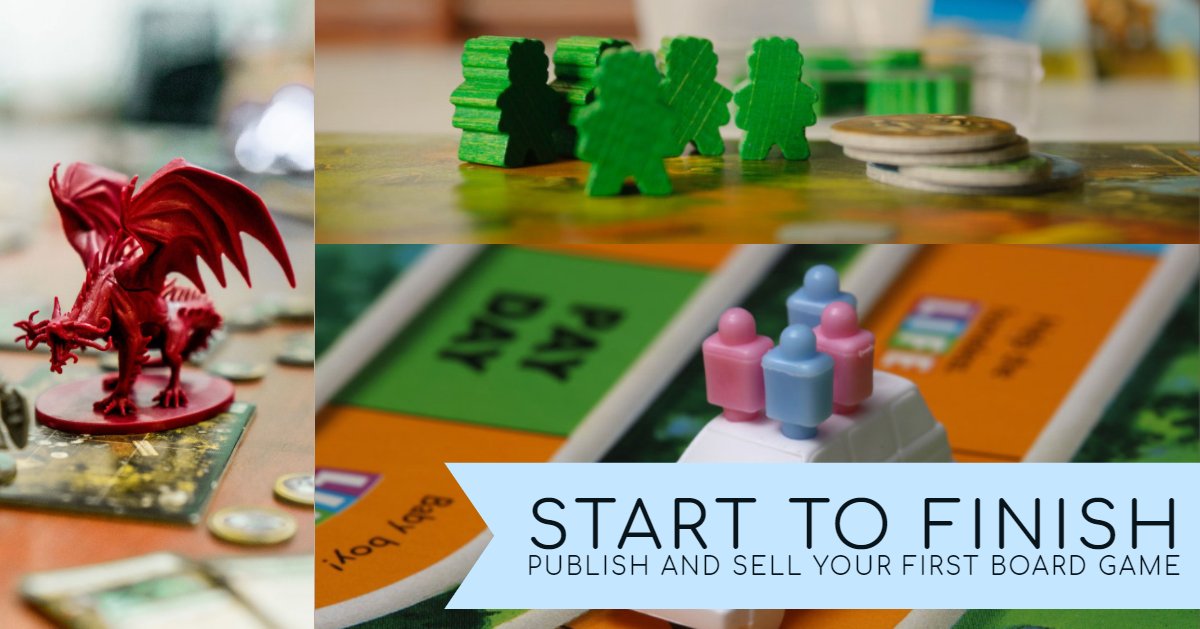
Creating a board game to sell requires a compelling game concept, playtesting for refinement, professional artwork and design, and a viable production and marketing strategy.
Have you ever dreamt of seeing your game idea on store shelves? Learning how to create a board game to sell can turn that dream into reality. The process involves more than just a good concept. It requires meticulous planning and execution.
You will need a solid understanding of game mechanics. You must also consider your target audience. This article will guide you through the key steps to get your game from idea to market.

How to Create a Board Game to Sell
So, you have an amazing idea for a board game, and you dream of seeing it on store shelves? That’s fantastic! Turning your game idea into a real product you can sell is a journey, but it’s a super fun one. This article will walk you through the steps to create a board game and get it ready for the market.
Brainstorming Your Board Game Idea
Every great game starts with a spark of an idea. This is where you get to let your imagination run wild! Think about what kind of game you want to create. What kind of fun do you want people to have?
Types of Games to Consider
- Strategy Games: These games are all about planning and thinking ahead. Think of games like chess or checkers, but with your unique twist.
- Party Games: These are great for groups and usually involve lots of laughter. Games like charades or Pictionary are good examples.
- Card Games: From simple matching games to complex strategy card games, there is a wide range of options. Think about your favorite card game and how you could make it different.
- Cooperative Games: In these games, everyone works together to win. This can make for a fun shared experience.
- Educational Games: These games help people learn something new while having fun. They can focus on topics like math, science, or history.
Finding Your Game’s Unique Angle
Once you know what kind of game you want to create, it’s time to make it unique. Ask yourself these questions:
- What makes my game different from other games?
- What kind of experience do I want players to have?
- Is my game for adults, kids, or both?
- What age range is the game suitable for?
- What is the theme of my game? (Is it set in space, a fantasy world, or real life?)
Don’t be afraid to try something completely new and unexpected. Your game doesn’t have to be like anything else out there!
Designing Your Board Game
Now for the exciting part – designing your game! This means figuring out all the details of how your game works. It can seem like a lot, but taking it step-by-step makes it easier.
Rules, Mechanics and Gameplay
The rules of your game are the most important part, as they determine how it’s played. Think about:
- Game Objectives: What do players need to do to win?
- Turns: How does the game progress from one player to another?
- Actions: What are the players able to do on their turn? (Move, draw a card, roll dice, etc.)
- Winning Condition: How does the game end?
The game mechanics are how the game works. Some common mechanics include:
- Dice rolling: A random element that adds excitement.
- Card drafting: Players select cards from a pool.
- Worker placement: Players place workers to perform actions.
- Set collection: Players collect sets of items or cards.
- Area control: Players try to control regions on the board.
Gameplay refers to the overall experience of playing the game. It should be engaging, fun, and balanced. Balancing ensures that no particular strategy dominates and makes the game fun for all players.
Components: What Will Your Game Need?
Every board game needs pieces to play with. These might include:
- The Board: This could be a folded board, modular pieces, or even a card.
- Player Pieces: These are used to represent each player on the game board.
- Cards: These could have instructions, actions, or be part of the gameplay.
- Dice: These add randomness to the game.
- Tokens: These can represent points, resources, or other in-game items.
- Game Money: Used for trading, buying or scoring purposes.
- Rule Book: A comprehensive guide on how to play the game.
- Storage Solutions: A box to store everything neatly, including the game board and components.
Decide what components are necessary for your game and start thinking about how they will look and feel.
Prototyping and Playtesting: Trying Out Your Idea
Before you get too far along, you need to create a prototype of your game. This is a rough version of your game to test if it works. You don’t need to create a perfect prototype, you just need something that will allow you to test it.
You can use simple materials for your first prototype, such as:
- Paper and markers for the board and cards.
- Simple cardboard for game boards
- Dice from other games
- Tokens from other games
Playtesting is the most important step in game design. This is when you get other people to play your game and give you feedback. This lets you see if the rules are clear, the game is balanced, and if people actually enjoy playing it.
Try to involve people who play board games regularly, as they can give you helpful feedback. Listen to what they say, and don’t be afraid to make changes based on their suggestions.
During Playtesting, consider the following:
- Observation: Watch how players interact with the game. Do they understand the rules?
- Feedback: Ask players what they liked and disliked. Be open to criticism.
- Iteration: Use feedback to refine the game.
You will likely need to playtest your game many times before it’s ready to be sold. Don’t get discouraged if the first version isn’t perfect. That’s part of the process!
Art and Graphic Design: Making Your Game Look Great
The look of your board game is just as important as how it plays. Eye-catching art and graphic design can make people want to buy your game and play it. This is where you make your game visually appealing!
Developing a Unique Style
Decide on the overall look and feel of your game. Is it cartoonish, realistic, futuristic, or something else entirely? Think about your theme and the emotions you want the game to evoke. The art style should match the game’s theme and tone.
When choosing an art style, consider these aspects:
- Color Palette: The colors you choose should be appealing and appropriate.
- Illustrations: Decide if you’ll use hand-drawn, digital, or a combination.
- Fonts: Choose readable fonts that match the style of the game.
Designing the Board and Components
The game board needs to be functional, easy to understand, and visually appealing. The board design should complement the art style you have chosen and make gameplay intuitive.
Here are some important elements to consider for your game components:
- Cards: Card designs should have clear text and images that make it easy to use them.
- Tokens: Tokens should be easy to handle and identifiable.
- Player Pieces: Make sure player pieces are distinct and easy to see.
Packaging
The game box is your first opportunity to catch a potential buyer’s attention. The design needs to be eye-catching, and the box needs to be durable enough to protect the game inside. The box should communicate what the game is about and entice people to want to buy it. A well-designed box helps your product stand out on store shelves.
Finding Graphic Designers and Artists
If you’re not an artist yourself, you’ll need to find talented people to help you with the art and design. There are many online platforms where you can find freelance graphic designers and artists. Try searching online marketplaces to find the right people for your project, keeping in mind their portfolios, budget and turnaround time.
Manufacturing Your Board Game: Getting It Made
Once your game design is finalized, it’s time to make copies of your game. This is called manufacturing. You’ll need to find a company that can produce your game at the required level of quality.
Choosing a Manufacturer
There are many board game manufacturers around the world, and they each have different specialities. It’s important to do your research to find the one that best suits your needs. When selecting your manufacturer, consider factors like:
- Cost: Get quotes from several manufacturers and compare prices.
- Quality: Check samples of their work to ensure the quality is good.
- Minimum Order Quantity: Find out the lowest amount of units they’ll produce.
- Turnaround Time: How long will it take to produce the game?
- Communication: Ensure clear and timely communication with your chosen manufacturer.
For smaller production runs, consider local manufacturers. For larger runs, manufacturers in countries like China may be cost-effective.
Creating Print-Ready Files
Before you send your game to the manufacturer, you need to prepare print-ready files. This means saving all of your artwork and layouts in the correct format for printing. This includes things like:
- Correct file sizes and formats.
- Color profiles for printing.
- Bleed and cut lines.
- Clear instructions for assembly.
Be sure to carefully review these files before sending them to your manufacturer to minimize errors and delays. A small mistake in the print-ready files can lead to big and expensive problems in the final product.
Checking Samples and Finalizing Production
Before producing the entire run of your game, it’s essential to get a sample from the manufacturer. This will allow you to check the colors, the material and the overall quality. Make any necessary adjustments, and only after you are completely satisfied, you can approve the production of your full order. Once you give your final approval, the manufacturer will start creating your games. The production times will depend on the manufacturer and size of your order.
Marketing and Selling Your Board Game: Getting It Out There
You’ve made your game, it’s beautifully designed, and you have copies ready to sell. Now, how do you get people to buy it? This is where marketing comes in. The goal of marketing is to make people aware of your game, and how to buy it.
Building an Online Presence
In today’s world, having an online presence is vital for the success of your product. This means setting up:
- A Website: A website is your online store front for selling your game directly to customers.
- Social Media: Create accounts on platforms like Instagram, Facebook, and Twitter. Share updates about your game, engage with potential customers, and create a community around your game.
Creating a Marketing Plan
A good marketing plan helps you reach your target audience and promote your game effectively. Think about:
- Target Audience: Who are you selling to? Kids? Adults? Families? Knowing your target audience helps you tailor your marketing messages.
- Marketing Messages: Highlight what makes your game unique and fun.
- Marketing Channels: Decide if you will focus on social media marketing, email marketing, online ads, etc.
Attending Game Conventions and Events
Game conventions and events are excellent places to connect with players, retailers, and reviewers. These are places where you can:
- Demo your game: Allow potential customers to try your game in person.
- Network with other designers and publishers.
- Sell your game directly to enthusiasts.
Selling Through Online Marketplaces
Online marketplaces like Amazon, Etsy, and Shopify provide platforms to list and sell your board game to a wider audience.
- Amazon: A very popular platform with a large customer base.
- Etsy: Great for handcrafted or unique games.
- Shopify: Allows you to create your own online store with full control over branding and sales.
Working with Retailers and Distributors
To get your game into brick-and-mortar stores, you may want to partner with retailers and distributors. Getting your game into stores greatly increase the exposure to your game.
Building relationships with these businesses can be a challenge, so it’s important to build your network through game conventions or industry events.
Getting Reviews and Publicity
Positive reviews and publicity are critical for generating buzz around your game. Reach out to game reviewers, bloggers, and influencers to promote your game.
- Game reviewers: Send free review copies to reputable reviewers.
- Bloggers and Influencers: Connect with influencers in the board game niche.
- Podcast: Consider getting featured on a podcast dedicated to board gaming.
Publicity helps people learn about your game and makes it more likely they’ll want to buy it.
Pricing Your Game
Pricing your board game correctly is important for your profitability. You need to make sure that you make a profit, but the price also needs to be reasonable enough for people to buy. Consider the following factors when setting the retail price:
- Production cost.
- Marketing cost.
- Distributor and retailer margins
- Competitor pricing.
Carefully calculate your cost and research competitor’s pricing before making your final pricing decisions.
Creating a board game to sell is definitely a challenging process but if you enjoy the creative part of game design, and have a unique vision, this entire journey could be extremely rewarding. Just take one step at a time, and most of all have fun with the process!
How to Make a Board Game in 2024
Final Thoughts
To create a board game to sell, start with a compelling concept and playtest thoroughly. Refine your design based on feedback, ensuring it is fun and engaging. Then, create high-quality components that appeal to your target audience.
Next, develop clear and concise rules and then prepare your product for production. Plan your marketing strategy and establish a distribution method. Finally, understand costs to price your game accordingly. This is how to create a board game to sell successfully.

