
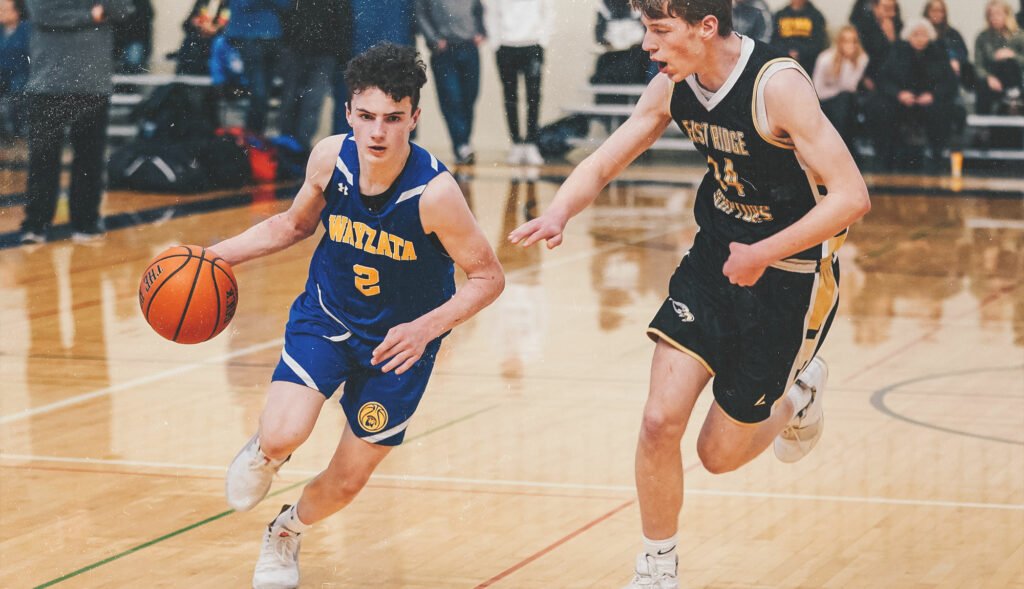
A youth basketball game typically lasts between 32 and 40 minutes, divided into four quarters with varying lengths depending on the specific league rules and age group.
Ever wondered how long does a youth basketball game last? It’s a common question for parents and new fans alike. The game duration often varies.
Young players develop their skills in these timed contests. Game length depends on the league’s guidelines.
Understanding the time frame helps manage schedules. This knowledge ensures everyone enjoys the basketball action.

How Long Does a Youth Basketball Game Last?
Ever wondered how much time you’ll spend cheering on the sidelines, or how long you’ll be running up and down the court? Knowing how long a youth basketball game lasts is important for players, coaches, and parents. It helps with planning practice times, travel schedules, and even just knowing when to bring snacks! The length of a game isn’t the same for every age group, so let’s dive into the details.
Understanding the Basics: Game Clock and Timeouts
Before we talk about specific lengths, it’s essential to understand the two main things that control how long a game really lasts: the game clock and timeouts. The game clock is the timer that runs during the game, counting down to zero. When the clock hits zero, the quarter or game ends. However, the clock can stop for different reasons, such as fouls, timeouts, and the ball going out of bounds.
Timeouts are like short breaks. Each team gets a certain number of timeouts to talk strategy, rest, or make substitutions. Timeouts usually stop the game clock, which makes the game last longer than just the total time on the game clock. Understanding how these elements work will help you better estimate the total time spent at a youth basketball game.
Game Length by Age Group: A Detailed Breakdown
The length of a youth basketball game varies depending primarily on the age of the players. Younger kids have shorter games because they have less stamina and a shorter attention span. Older kids have longer games, similar to high school and college games, because they are more physically fit and able to sustain play for longer periods.
Younger Divisions: Focusing on Fun and Fundamentals
For the very youngest players, typically in the U7, U8, and U9 age groups (often around 6 to 9 years old), games are shorter. These leagues usually focus on teaching the basics of basketball rather than strict competition. Here’s what you can expect:
- Quarter Length: Games are often divided into four quarters, each lasting 6 or 7 minutes.
- Total Game Clock Time: The total playing time is usually about 24 to 28 minutes.
- Timeouts: Teams typically have 2-3 timeouts per game.
- Halftime: A short break of about 5 minutes happens at halftime.
- Total Time: Adding in a halftime and a few timeouts, expect the total time spent at the gym to be about 40-50 minutes.
These shorter games help keep the game fun and engaging for the young ones without exhausting them. Coaches often use these games as teaching moments to improve skills and teamwork.
Intermediate Divisions: Stepping Up the Pace
As kids get a little older, usually in the U10, U11, and U12 age groups (around 9 to 12 years old), games start to get a bit longer. The emphasis shifts to more strategic play and development of advanced skills, with increased competition.
- Quarter Length: Quarter length usually increases to 8 minutes.
- Total Game Clock Time: The total time spent playing would be 32 minutes.
- Timeouts: Teams generally have 3-4 timeouts per game.
- Halftime: The halftime break might be around 5-10 minutes.
- Total Time: Factoring in the breaks, you can expect the overall time to be around 50 minutes to 1 hour and 10 minutes.
In these age groups, you’ll start to see more complex plays, stronger defense, and a focus on better passing and shooting skills. The longer game time allows for more opportunities to apply what they’ve learned in practice.
Older Divisions: Preparing for High School
For the older divisions, such as U13, U14, and U15 (typically 12 to 15 years old), the games get closer to the lengths seen in high school basketball. These players are developing more advanced skills and playing at a higher level of competition.
- Quarter Length: Quarter length is typically 8 minutes and sometimes increases to 10 minutes.
- Total Game Clock Time: This translates to 32 to 40 minutes of playing time.
- Timeouts: Teams usually have 3-5 timeouts during the game.
- Halftime: Expect halftime to be around 10-15 minutes.
- Total Time: Games can run anywhere from about 1 hour and 10 minutes to about 1 hour and 30 minutes when you add in the extra time for breaks and stoppages.
At this age, players are often more serious about the game. Coaches focus on refining strategy and enhancing team chemistry. The games become more intense, requiring greater physical and mental preparation from the players.
Factors That Affect the Total Game Time
While the quarter length gives a good idea of how long the game will theoretically last, several other factors can change the actual duration of a game. These factors can add or remove time from the game, and knowing about them is key to understanding what can change the expected game length.
Timeouts: A Key Variable
As we mentioned earlier, timeouts can significantly affect the total time. The number of timeouts each team has, and how frequently they use them can add several minutes to the overall duration of a game. Some teams might take all their timeouts, whereas other may not use all of them, impacting the total length of the game.
Fouls and Free Throws
Fouls also stop the clock. When a player is fouled, the clock stops while the referees handle the situation. If a player is fouled in the act of shooting, they usually get a free throw. Free throws stop the clock and take up time. Multiple fouls, especially late in a close game, can considerably lengthen the game. More fouls often lead to more free throws and a longer game.
Injuries
If a player gets injured, the game will stop to allow medical attention. Depending on the seriousness of the injury, this can take up a few minutes or much longer. A more serious injury can also result in a lengthy stoppage, which can be very unpredictable. Having an injury during the game can lead to a longer and delayed game.
Overtime
If the score is tied at the end of regulation, the game can go into overtime. The length of overtime also varies but is typically much shorter than a regular quarter. Overtime can add a minimum of a few minutes to the game, and is a very important factor that can alter the length of game.
Game Officials and Scorekeepers
The efficiency of the referees and scorekeepers also matters. Efficient officials can keep the game moving at a steady pace, while less efficient ones could lead to more stoppages, prolonging the game. The quality of the referees could lead to increase or decrease the stoppage time during the game.
Game Day Considerations
Understanding how long a youth basketball game lasts is helpful for planning purposes. Here are some things to think about:
Planning for Travel
When planning travel to and from games, it’s essential to factor in extra time, as the game length is never exact. Always calculate the travel time to the gym and back, adding on the potential for traffic. Knowing the approximate game length helps you to avoid being late or too early. Adding extra time will always be a great idea for travel to and from the game.
Snacks and Hydration
Always pack enough snacks and drinks. The length of games can vary, and having extra supplies ensures that players and spectators stay energized and hydrated for the whole duration of the event. Make sure to bring healthy snacks that would help provide energy during the game. It’s important to remain hydrated at all times, so always pack extra drinks.
What to Bring
Prepare for a comfortable experience by bringing all of the essentials. A portable chair is great to bring for comfort. Depending on the time of the year, make sure that you dress appropriately and bring jackets if it is cold. For those who love taking pictures, bring a good camera to capture those wonderful memories.
Beyond the Game Clock: The Overall Experience
Remember, a youth basketball game involves more than just the time on the clock. It’s about supporting the players, enjoying the excitement, and being part of a team. Whether the game is short or a bit longer, the memories and camaraderie are what make these events special. Cheer your players on, enjoy the game and be a part of the whole experience. Youth basketball is about more than just the game clock, it’s about the whole experience of being together and having a wonderful time.
By knowing all these factors we can have a general idea of how long a game will last and be better prepared for the game, while also enjoying the whole process of the game. It’s about supporting the youth in their basketball journey, while having a great time together. Enjoy every moment.
The length of a youth basketball game depends on various factors like the age group, league rules, timeouts, fouls, and other unexpected things that might come up. Knowing the average game length will help coaches, players, and parents plan the game day and have the best experience. By understanding the game times we can ensure we are fully prepared for the whole process.
How kids play basketball nowadays! 😂 #shorts
Final Thoughts
A typical youth basketball game duration varies depending on the age group and league rules. Younger children usually play shorter games, often with four six-minute quarters. Older youth leagues might have games with four eight-minute quarters.
Understanding these time variations is key for players and parents. The actual ‘how long does a youth basketball game last’ can change based on those specifics. So confirm with your local league or coach before attending.

