
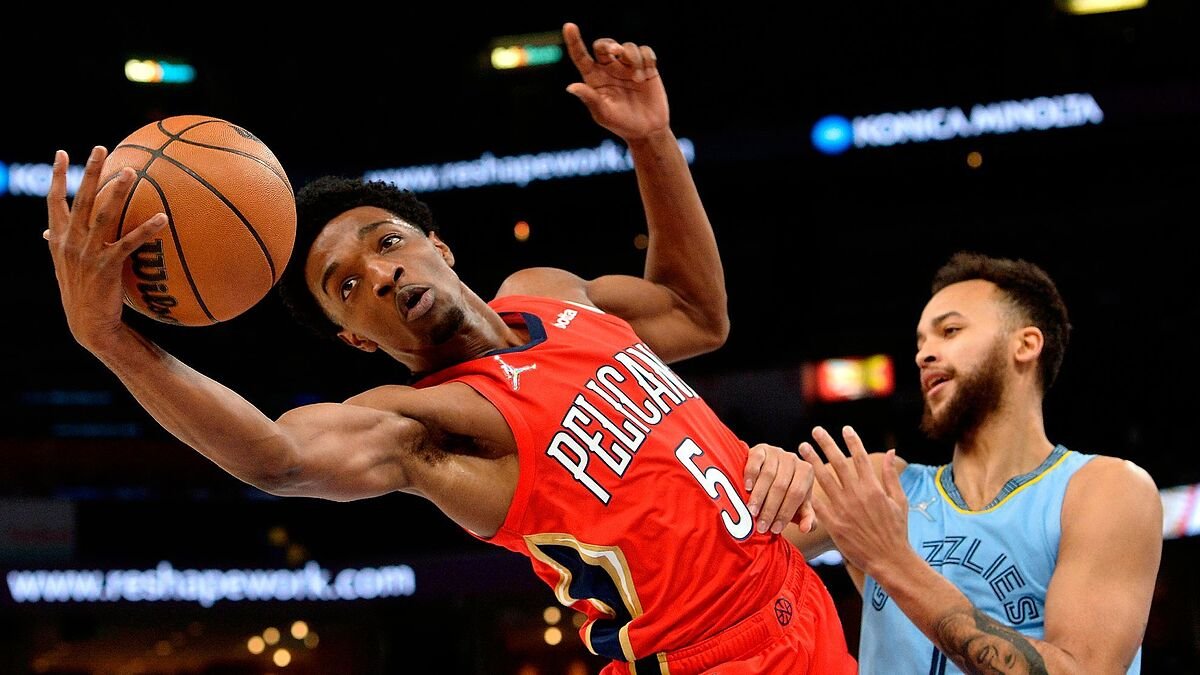
An NBA basketball game lasts for 48 minutes of playing time, divided into four 12-minute quarters.
Ever wondered how long does an nba basketball game last? It’s a common question for both new and seasoned fans of the sport. Understanding the timing structure helps you plan your viewing and appreciate the pacing.
Beyond the 48 minutes, expect extra time for timeouts, halftime, and of course, any potential overtime periods. These additions can stretch the total game duration, adding excitement and drama.

How Long Does an NBA Basketball Game Last?
Ever wondered how much time you need to set aside to watch a thrilling NBA game? It’s not just a simple answer, like “two hours.” There’s more to it than just the playing time, and that’s what we’re diving into today. So, let’s break down the different elements that affect the total duration of an NBA game and get you ready for tip-off!
The Core Playing Time: 48 Minutes of Action
At its heart, an NBA game has a set playing time of 48 minutes. This is divided into four quarters, each lasting 12 minutes. Think of it like four mini-games within the big game. But, hold on, this doesn’t mean the entire game only lasts 48 minutes! This is just the time the clock is actually running during active play.
Quarters and Play Clock
Each quarter of a basketball game is 12 minutes long. These 12 minutes are meant for constant action but there are many stoppages which are discussed further in the article. The clock is stopped each time when the ball goes out of bounds, a foul occurs or if a timeout is called. This means that the real-time duration of each quarter is often longer than 12 minutes.
Beyond the 48 Minutes: Timeouts, Halftime, and More
Now, this is where things get interesting. While the on-court action might be 48 minutes, there are several reasons why an NBA game usually stretches much longer. This is because of things like timeouts, halftime, breaks between quarters and any other stoppages. Let’s look into what takes time beyond the active play.
Timeouts: Strategizing on the Sidelines
Coaches use timeouts to discuss plays, make adjustments, or simply give their players a breather. Each team gets a certain number of timeouts per game. These timeouts can be of varying length, but are there to strategically help the team. These breaks are really important to the flow of the game, but they definitely contribute to the game’s overall time.
Halftime: A Longer Break for Teams and Fans
After the first two quarters, there is a halftime break. In the NBA, this break is typically 15 minutes long. It gives the players a chance to rest, and coaches a longer stretch of time to plan for the remainder of the game. Fans can also use this time to grab some snacks and refreshments!
Breaks Between Quarters: Small but Significant
There are short breaks in between the first and second quarter and the third and fourth quarter. These are usually around 2 minutes long, and allows players and the court crew a small pause. Although short, these also add to the overall time of a basketball game.
Fouls and Free Throws: Slowing Down the Clock
Fouls are part of the game. When a foul occurs, the clock stops. Depending on the type of foul, the player will get either a free throw or an inbounds. Time is then taken to take the throws, or to reset the ball. So, fouls and free throws can considerably increase how long the game goes on for.
Instant Replays: Getting the Call Right
With instant replay, officials can take a look at a play again to be absolutely sure they make the correct call. This takes time, but it also makes sure the game is played fairly. It’s worth the wait to make sure the right decisions are made. These replays are called in only limited situations which affect the game directly but are an important part of the modern game.
Injuries and Other Stoppages
Sometimes, games are paused due to injuries or other unforeseen events. While these are not always part of a game, they can and do happen. This can take a little time depending on the seriousness and situation.
The Average Length of an NBA Game
Given all the above factors, the total length of an average NBA game is approximately 2 to 2.5 hours. This is the general estimate for most games. But, some games may go shorter, and some might run longer if there are many fouls or timeouts called. So, it’s best to plan for that 2-2.5-hour block of time to watch your favorite team play. However, it is important to understand that every game is unique.
Factors That Influence Game Length
Several things can make a game run longer than average. Let’s look at some key factors that play a part in how long an NBA game actually takes.
Number of Timeouts Called
The number of timeouts called during a game can change its length. If teams are going back and forth in a very close game, coaches might take more timeouts to help strategize and regroup. All the timeouts take time, and these are very useful for teams to discuss plays and make adjustments during the game. These can significantly increase the amount of time spent.
Number of Fouls and Free Throws
A game with many fouls will definitely take longer than a game with few fouls. The amount of free throws taken during the game can be a significant time factor. So, a game with a lot of free throws, would likely take longer than one with few or no fouls.
Overtime: When Games Go Beyond the Regular 48 Minutes
Sometimes, the game ends in a tie at the end of the fourth quarter. In these cases, we go into an overtime period. Overtime is an extra 5-minute period to determine the winner. This can also take up significant time, and overtime is a great addition to a game, adding more suspense and action. If the score is tied again after one overtime, the teams have another 5 minutes to get a clear victory. There can be multiple overtimes in a game as long as the score is tied after every overtime. This can significantly add to the duration of an NBA game.
Close Games vs. Blowouts
Close games tend to have more strategic timeouts and close fouls, which result in the game going for a longer duration than a game where there is a clear lead. Blowout games, on the other hand, often have fewer timeouts and the teams may not take the time to strategize as much. This difference in the gameplay can lead to differences in the time taken for the games to be complete. Close games are always more suspenseful and fun to watch.
Understanding Game Flow
Game flow is important to the understanding of game length. Games which have high tempo might feel shorter because there isn’t much downtime. While games with a very stop-start tempo can feel longer due to many fouls and timeouts. This can also be related to teams and their playing style, which can also add to the duration of the game.
- High tempo: fast paced, fewer stops
- Stop-Start Tempo: Lots of fouls, stoppages and timeouts.
Do Playoff Games Take Longer?
You might wonder if playoff games are longer than regular season games. Generally speaking, playoff games can take a bit longer than regular season games for a few reasons.
- More intense gameplay
- More fouls being called
- More replays
- Increased Timeout Usage
All of this can lead to slightly longer games than during regular season matchups. However, it’s not a major difference, and it’s likely within the 2-2.5-hour range, with some games going slightly over that limit.
Planning Your Game Night
Knowing the expected duration of an NBA game helps you plan accordingly. So, if you plan on watching a game live or on television, set aside at least 2-2.5 hours. This gives you enough time to enjoy the entire game without having to worry about other plans. Also, be prepared for some extra time if you are watching a playoff game, or a game with many fouls. If you are going to a game in-person, you might also want to factor in time for transportation and other activities. Let’s consider some more planning related things!
Game Start Time
Make sure you keep a track of the exact start time of the game you are planning to watch. This will give you a good time frame to work with in terms of the end of the game. Also, the game start time is usually a little bit after the time it’s published. So, keep an eye on team schedules and game timings to plan accordingly.
Television vs. Live
Watching a game on TV can sometimes feel shorter, because during live games, there might be breaks and commercials which can feel longer than actually taking the time to watch a game. At live games, you will need to factor in getting to the arena, parking, ticket check-in, which takes some time as well. So, consider the time accordingly for live events.
In Conclusion
So, while the game itself is 48 minutes of action, several factors make an NBA game usually last around 2 to 2.5 hours. Factors like timeouts, halftime, fouls, and potential overtimes contribute to the total length. Knowing this, you can confidently plan your evening, grab some snacks, and settle in to watch your favorite NBA team go head to head.
LAKERS at ROCKETS | FULL GAME HIGHLIGHTS | January 5, 2025
Final Thoughts
A standard NBA game lasts 48 minutes, divided into four 12-minute quarters. However, stoppages for fouls, timeouts, and other interruptions often extend the total time. The breaks between quarters and halftime add to the overall duration.
Therefore, ‘how long does an nba basketball game last’ is not just 48 minutes of play. Usually, a complete game takes approximately two to two and a half hours, depending on game flow. It’s the consistent clock stoppages that increase the length beyond the actual playing time.

