
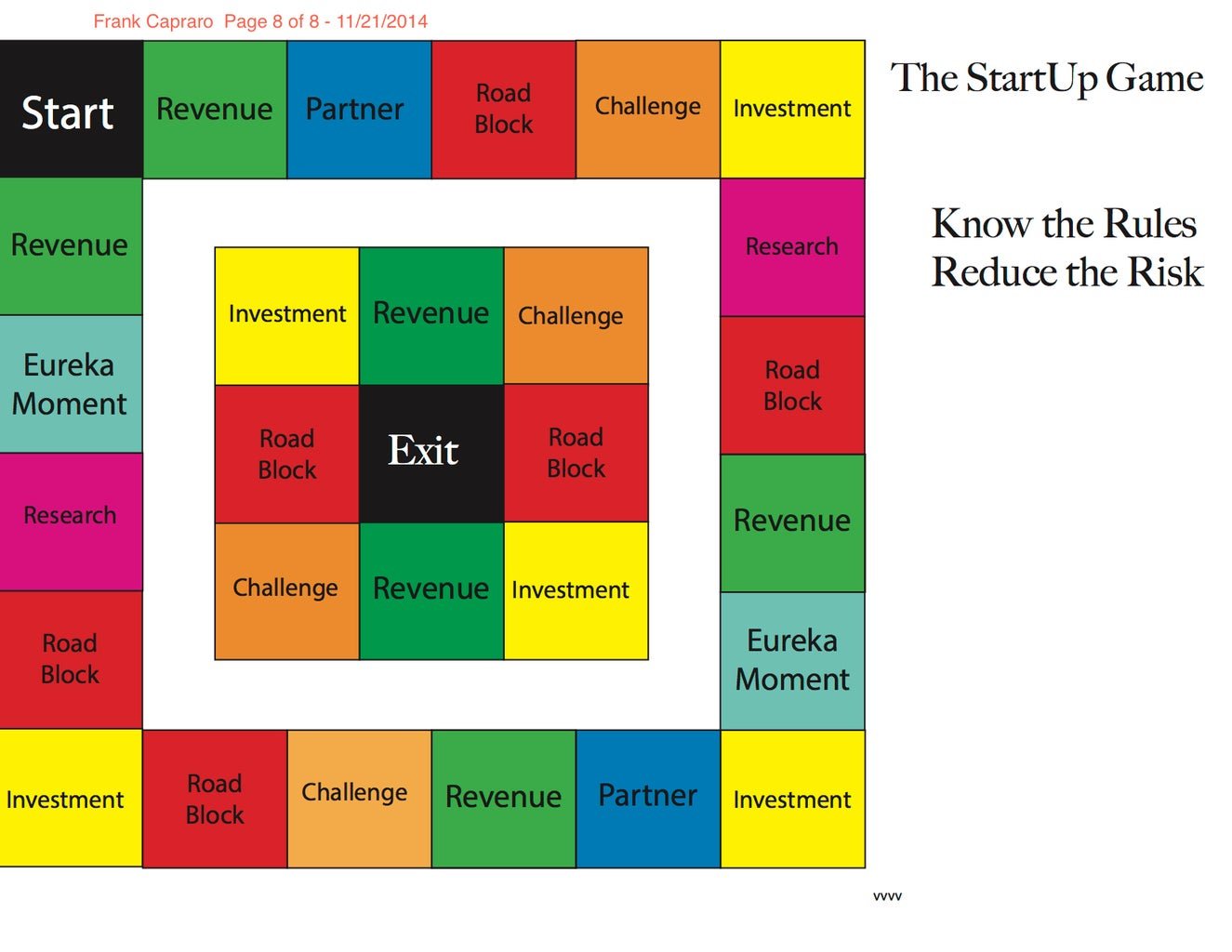
Building a board game requires defining core mechanics, designing a playable board, creating components, and playtesting iteratively.
Have you ever thought about bringing your own game idea to life? It’s more attainable than you might imagine! The process of how to build a board game is an exciting journey of creativity and problem-solving.
First, you need a solid game concept. Think about what kind of experience you want to create for your players. What will make your game stand out?
Then you’ll translate your vision into a playable format. This involves designing a game board, creating player pieces, and figuring out the rules that will govern gameplay. The final step is the most fun part, which is playing!

How to Build a Board Game: A Step-by-Step Guide
So, you’ve got a great idea for a board game swirling around in your head? That’s fantastic! Creating your own game can be an amazing experience, and it’s totally achievable even if you’ve never done it before. This guide will walk you through the entire process, breaking it down into easy-to-follow steps. We’ll cover everything from initial concept to playtesting, ensuring you have a clear path to bringing your game to life.
The Spark: Brainstorming Your Game Concept
Every great game starts with a great idea. Before you grab your markers and start drawing boards, take some time to really think about what kind of game you want to make. Here are a few things to consider:
What’s the Theme?
The theme is the story or setting of your game. Will it be about exploring a jungle, managing a farm, trading goods in space, or something else entirely? Think about what excites you. The theme doesn’t just set the mood; it often influences the mechanics of your game. For example, a game about building a city might use resource management, while a game about battling monsters might involve dice rolls and player combat.
What Kind of Game Do You Want to Play?
Consider the type of experience you want to create. Do you want a competitive game where players race to be the winner? Or a cooperative game where everyone works together? How about a strategic game that makes players think hard, or something light and casual? It’s useful to know what kind of player you are making this game for, whether they enjoy party games, puzzles or something else.
Here are some common types:
- Cooperative Games: Players work together towards a common goal. Think pandemic or escape room games.
- Competitive Games: Players compete against each other, aiming to be the winner. Many classic board games fall into this category.
- Abstract Games: Games with no defined theme, focusing on strategy and mechanics (like chess or checkers).
- Party Games: Games that are easy to learn, fast-paced and fun for large groups.
- Strategy Games: Games involving complex rules and decisions, where players need to plan several steps ahead.
Target Audience
Think about who will be playing your game. Is it for young children, families, or seasoned gamers? Knowing your audience helps you decide on the complexity of your rules, the playing time, and the overall feel of your game. A game for kids needs simpler rules than a game for adults, for instance.
Start Small
It’s easy to get carried away with big ideas, but it’s helpful to start with a small and manageable scope. Focus on one core mechanic and build from there. You can always add more complexity later. Don’t worry about making a big epic game in one go, begin with something small that you can develop and improve upon as you go.
Core Mechanics: How Your Game Works
The core mechanics are the heart of your game. They are the actions players take, the ways that they interact, and the challenges that they will face in your game. Here are some things to think about:
Action Selection
How do players choose their actions? Will they roll dice, draw cards, or use a system of action points? There are many options that you can use, each of them will provide a different feel to your game. Here are some common options:
- Dice Rolling: The outcome of dice rolls drives gameplay. Good for introducing randomness and a bit of chance.
- Card Drafting: Players pick cards from a common set. Useful in building up strategies and unique player approaches.
- Worker Placement: Players assign workers to different locations to gain resources or take actions. Great for creating competition and strategic decision-making.
- Tile Placement: Players add tiles to a growing board. This can create interesting spatial puzzles and varied gameplay experiences.
Resource Management
Will players collect resources? If so, how will they get them and what can they do with them? Think about how resource management will play into the overall strategy of the game.
Movement and Combat
If your game involves movement, how will that work? Will players move across a grid, or along a set path? If there is combat, how will that be resolved? This is where you decide if players will roll dice or use other mechanisms to determine if they are successful.
Winning Condition
How will players win the game? Is it by collecting the most points, reaching a specific location, or completing a certain objective? Have this in mind when designing your game from the very start, because this will give the game a point or an aim that players can reach and feel satisfied with.
Prototyping: Making a Playable Version
Okay, now that you have the general concept of the game, you can actually begin to create a version of it. Prototyping is one of the most important parts of the whole game design process because this is where you will see if your ideas actually work or not. You don’t need to spend a lot of money here, and your first prototypes don’t need to be perfect. Remember, it’s the gameplay that you need to test and adjust. Your first playable game doesn’t have to be visually appealing.
Gathering Your Materials
You don’t need fancy materials for your first prototype. Here are a few things you might need:
- Paper, cardstock, or cardboard
- Scissors
- Markers, pens, or pencils
- Dice
- Small objects to use as player pieces (buttons, coins, etc.)
- Any existing game components you can borrow
Creating Your Board and Pieces
Draw a basic game board. It can be as simple as a grid or a series of connected spaces. Use cardboard or cardstock for a sturdy surface. Cut out player pieces from cardboard or use small objects. You might find it easier to make your first prototypes without the exact artwork that you plan to have later. Focus on the placement and shape of your pieces first.
Writing the Rules
Write down the rules of your game. Be clear and concise. Even though you know how the game works, you need to write the rules in a way that others can understand easily. Think of this like writing the instructions for other players. Try to explain how to set up the game, how to play, and how to win.
Initial Playtest
Now you are ready for the first test run of your game. Gather a few friends and family members and play the game. This will help you see how the game works and what problems there are. You can learn from these early game plays even if the rules are not set in stone yet. This is all part of the design process.
Playtesting and Iteration: Making Your Game Better
Playtesting is a crucial step in the process of board game creation. You won’t get your game perfect straight away. You need to test the game and make changes as you go along. Playtesting means getting your game in front of people and watching how they play it. Here’s what you need to do:
Observing Players
Pay attention to how players interact with the game. Do they understand the rules? Are they enjoying themselves? Are there any moments where they seem bored or confused? These are the moments that you need to look out for and then make some adjustments.
Getting Feedback
Ask players for their feedback after they finish the game. What did they like? What didn’t they like? What was confusing? Be prepared to listen to criticism. Don’t take it personally, instead you should embrace it, because this criticism will be used to improve your game. It’s good to take some notes during the test run, so you remember the key points that you need to work on.
Making Changes
Based on the feedback you received, adjust your game. This might mean tweaking the rules, changing the board, or rebalancing the resources. You should be ready to change even the most important parts of the game, because this will make the final result better. This is the process of iteration, and it is the most important part of designing a good game.
Repeat the Cycle
After you have adjusted the game, playtest it again. Get more feedback and adjust the game again. This iterative process is how you will refine the game and make it the best version it can possibly be. You will find that with each round of changes, your game will improve significantly. Do not be afraid to throw away elements that you thought were great to begin with, if they are not working when tested by other players.
Balancing the Game
Balancing is the process of making sure no one part of your game is overpowered or underpowered. If one player is always winning, you may need to adjust the rules or components. Make sure that all options and routes in the game feel viable to a player. You should ensure that everything in your game has a place.
Visual Design and Component Production: Making It Look Good
Once you are happy with the gameplay of your game, you can start to think about the visual design of your game. This can be very fun because you are now developing the look of your game and turning it into a finished product. The visual design is more important than you may initially think because the visual element of your game is very important in attracting players to it, so making your game look appealing is essential. Here’s how to approach it:
Choosing a Style
Think about the look of your game. Will it be colorful and cartoony, or dark and realistic? The visual style should reflect the theme and tone of your game. It can be useful to take inspiration from other games that you like, and see if you can incorporate some of their features or look into your own design.
Designing Your Board
Create a final version of your board. Use graphic design software if you can, or get help from someone who can design graphics. Make sure it is clear, easy to read, and visually appealing. The goal is to create a game board that attracts players and makes it easy for them to understand where they need to play.
Designing Player Pieces and Cards
Create designs for all of your game components. Make sure they are easy to handle and visually consistent with the rest of your game. Use card design software, if that helps, or you can do it by hand if you have the necessary skills. The player pieces and cards should be designed for usability, for example, the text on the cards should be readable and clear, and the player pieces should be different enough so that they are easy to tell apart.
Creating a Rulebook
Write a final version of your rulebook with clear instructions and diagrams. A well-written rulebook is key to ensuring that players understand your game. You can add some examples of gameplay, to further clear up any confusing aspects of your game. This rulebook can be a final touch, and it is important to get it right because some players will choose a game just by reading the rulebook first, so you should make sure that it sells the game.
Production
If you want to create multiple copies of your game, you’ll need to figure out how to manufacture the components. Here are a few options:
- Print and Play: Share your game as a PDF so others can print it at home.
- Local Printing: Use a local printer for small runs.
- Crowdfunding: Use platforms like Kickstarter to fund larger-scale production.
Testing the Final Design
Before going into full production, it can be a good idea to print out a small number of the final design and playtest it a couple of more times. Just to ensure that there are no problems with the final look of the game, or the rules, or any other aspect.
Taking Your Game to the Next Level
Making a board game is a big undertaking but it can be a rewarding experience. Once you have completed your game, you can decide what you want to do with it. You can simply play it with your friends and family, you can try to get your game published, or you can try selling it yourself. The possibilities are endless, and it is all based on how much you like your own board game.
This information will help you in your journey, and remember to have fun with it. Game design is a creative process, so don’t be afraid to experiment and try new things. The more you do it, the more experience you will gain, and that will be extremely valuable for any new game designs that you come up with.
Creating a board game is a journey of creativity and iteration. By following these steps, you can bring your game idea to life, test and refine it, and share it with others. Remember to be patient, keep testing, and have fun with the process!
How to Make a Board Game in 2024
Final Thoughts
To build a board game, start with a core idea and refine it into clear rules. Next, design game elements like the board, cards, and tokens. Thoroughly test the game mechanics and adjust it as required.
Prototyping helps you identify any problems or imbalances. Finalize the design, create polished components, and then prepare to share your finished board game. Remember, iterative testing is the key to success when you are learning how to build a board game.

