
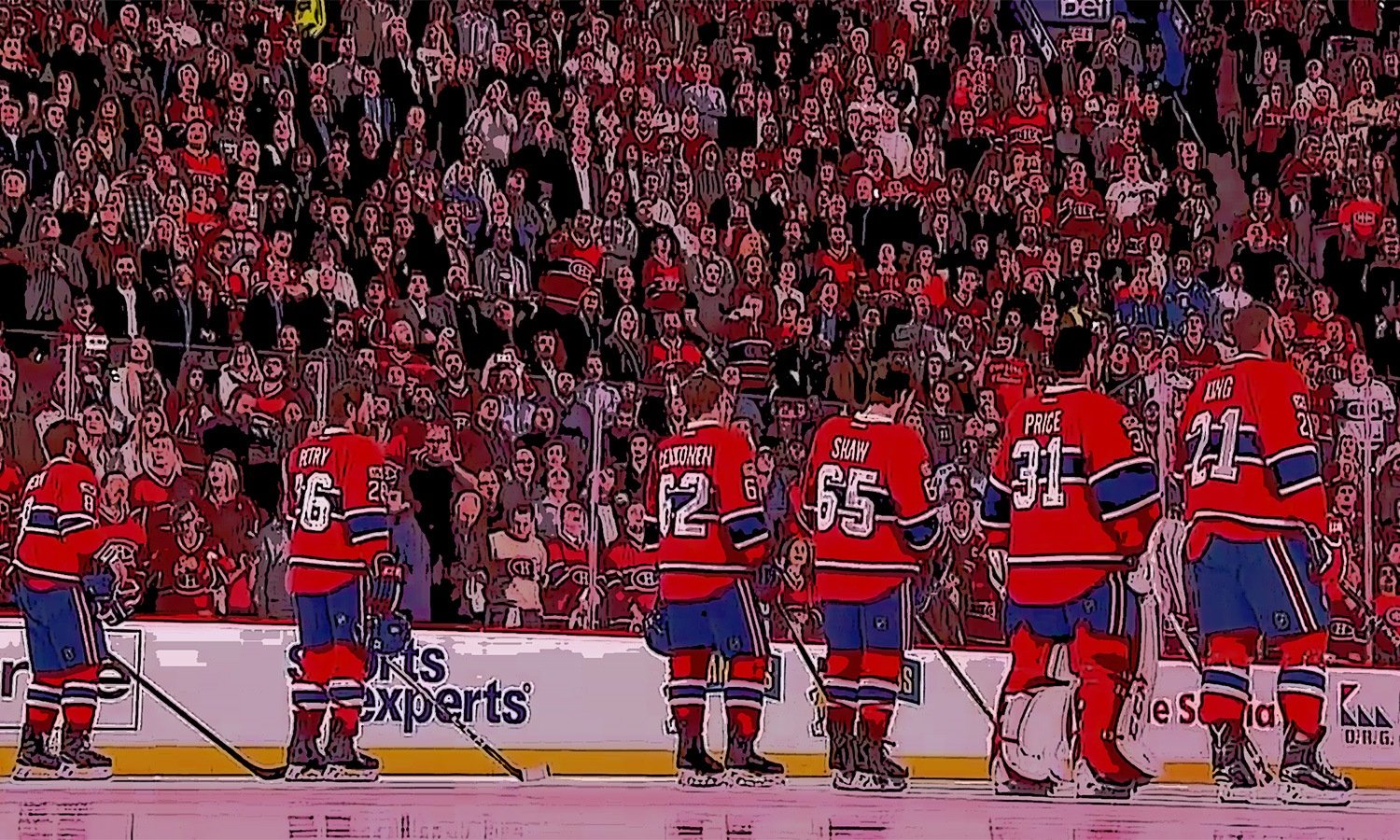
A standard hockey game lasts 60 minutes, divided into three 20-minute periods, with intermissions in between.
Ever wondered about the duration of a hockey match? Understanding how long does hockey games last is key for both avid fans and newcomers to the sport. The game clock does not run continuously, which influences the total time spent watching.
Games also have stoppages for penalties, icing, and other events. This means a typical hockey game will last over two hours. So, plan your viewing accordingly and enjoy the action.

How Long Does Hockey Games Last?
Ever wondered exactly how much time you’ll be spending glued to your seat watching a hockey game? It’s a common question, and the answer, while seemingly simple, has a few layers. Let’s break it all down so you know what to expect, from the initial puck drop to the final buzzer.
The Basics: Regulation Time in Hockey
At its core, a professional hockey game, like in the National Hockey League (NHL), is structured into three periods, each lasting 20 minutes. This is the ‘regulation time,’ the standard playing time in hockey. So, if you just did the math, you’d think a game would last exactly 60 minutes. But, there’s much more to it than just those sixty minutes of play.
The 20-Minute Periods
Each of those 20-minute periods is played with a running clock. That means time keeps ticking down while the puck is in play. But, like in any sport, there are stoppages. Whenever the whistle blows (due to a penalty, icing, offsides, etc.), the clock stops, adding to the total time of the game.
- Puck in play: Clock runs continuously.
- Whistle blows: Clock stops.
Intermissions Between Periods
Between each period, there is a break called an intermission. These breaks allow players to rest, strategize, and for the ice to be resurfaced, keeping it smooth for the following period. Usually, intermissions are 15 to 18 minutes long in professional hockey, and the intermission time is decided by the league’s governing body and sometimes it might vary depending on the level of the game.
Beyond the Basics: Factors That Extend Game Time
So, if you add up the playing time (60 minutes) and two 15 to 18-minute intermissions, you’re looking at close to 90 to 96 minutes. But, even that isn’t the full story. Several other things can add to how long a hockey game lasts.
Stoppages in Play
As mentioned before, the clock stops frequently in hockey. Penalties, offsides, icing, pucks going out of play, and even injuries all cause the clock to stop. These stoppages can add significant time to the game. The more these happen, the longer the game goes on, and there are no limits to how often the game can be stopped.
- Penalties: When a player breaks a rule, the play stops.
- Icing: A team shoots the puck from behind its own goal line all the way to the opposite goal line.
- Offsides: An attacking player enters the offensive zone before the puck.
- Puck out of play: When the puck leaves the playing area.
- Injuries: When a player is injured, play stops to allow medical attention.
Television Timeouts
Televised games often include “television timeouts.” These are planned breaks in the action for commercials. They are designed to fit within a specific broadcasting schedule. These timeouts might add a few minutes to the total game time and vary depending on the network and league.
Overtime: When Games Go Extra
What happens when the score is tied at the end of regulation? In many hockey leagues, they head to overtime. Overtime is designed to break the tie and determine a winner. The format for overtime can differ based on the league or level of play.
NHL Overtime
In the NHL regular season, overtime is a 5-minute sudden-death period. This means the first team to score wins the game. If neither team scores within the 5-minute OT, the game goes to a shootout.
Playoff Overtime
In the NHL playoffs, overtime is different. It is a full 20-minute period, but still sudden-death. If no one scores in the first overtime period, they play another and another, until one team scores. Playoff overtime periods can make the game last much longer than expected sometimes resulting in multiple overtime periods and a game lasting several hours.
Shootouts
If regular season overtime doesn’t produce a winner, the game goes to a shootout. Each team takes turns having a player attempt to score one-on-one against the goalie. Shootouts don’t take very long, but they do add to the overall game time. In playoffs, they don’t do shootouts.
How Long Does Different Levels of Hockey Last?
The length of hockey games also depends on the level of play. The rules and timings sometimes change slightly as you go to the different levels. Here are some of the common levels and game duration.
Youth Hockey
In youth hockey, game times are often shorter. The periods might be 10 to 15 minutes long. This shorter time helps with younger players’ focus, as it allows them to maintain an appropriate level of activity without getting too tired. The length of the intermissions may also be shorter. The total duration, including intermissions and potential stoppages, is usually around 1 to 1.5 hours. There may not be overtime or shootouts, and if the game is a tie, it would end in a tie.
High School Hockey
High school hockey is closer to professional hockey. Periods are often 15-17 minutes each, which is more than youth hockey. Intermissions might be a little bit shorter than the professional league’s intermissions. Overtime and shootouts are not always included but are possible, depending on the league rules. A typical game would last about 2 to 2.5 hours
College Hockey
College hockey games are similar to NHL games. They feature three 20-minute periods with 17-minute intermissions. They might have a 5-minute overtime period and a shootout for regular-season games if the score is tied at the end of the overtime period. Playoff college games are played with a full 20-minute sudden death overtime. These games can last from 2.5 hours to 3 hours or more, especially if overtime periods occur.
Professional Hockey (NHL)
As discussed earlier, professional hockey, like the NHL, has three 20-minute periods, with a 17-18 minute intermission, and a 5-minute sudden death overtime in the regular season and a full 20-minute sudden death overtime period in the playoffs. With stoppages and intermissions, a professional game can easily take around 2.5 to 3 hours. In playoff games with overtime, they can last even longer and can take 3-4 hours, or even more if it goes to multiple overtimes.
| Level of Play | Period Length | Intermission Length | Typical Game Length | Overtime |
|---|---|---|---|---|
| Youth Hockey | 10-15 minutes | Shorter | 1-1.5 hours | Not usually |
| High School Hockey | 15-17 minutes | Slightly shorter | 2-2.5 hours | Possible |
| College Hockey | 20 minutes | 17 minutes | 2.5 – 3+ hours | 5 min OT or 20 min sudden death OT in playoffs |
| Professional Hockey (NHL) | 20 minutes | 17-18 minutes | 2.5 – 3+ hours | 5 min OT or 20 min sudden death OT in playoffs |
Average Hockey Game Duration
While it’s difficult to give a precise number, a good average duration for a professional hockey game is around 2.5 to 3 hours. Keep in mind that some games might run shorter if there are not a lot of stoppages, or go longer with penalties, injuries, or of course, overtime periods. Be prepared to sit and enjoy the sport for this amount of time if you are planning to attend a game.
So, next time you’re settling in to watch a hockey game, you’ll know that the 60 minutes of regulation is just the beginning! Between the intermissions, the stoppages, and the chance of overtime, a hockey game is an action-packed experience that requires a little bit of time investment.
How long is a hockey game?
Final Thoughts
A standard hockey game consists of three 20-minute periods, but the clock stops for penalties and other stoppages. This means the actual time a game takes is usually longer. Overtime, if needed, adds further to the duration.
So, how long does hockey games last? Typically, a professional game lasts around 2.5 to 3 hours from start to finish. However, factors like stoppages and overtime make this time frame variable.

