
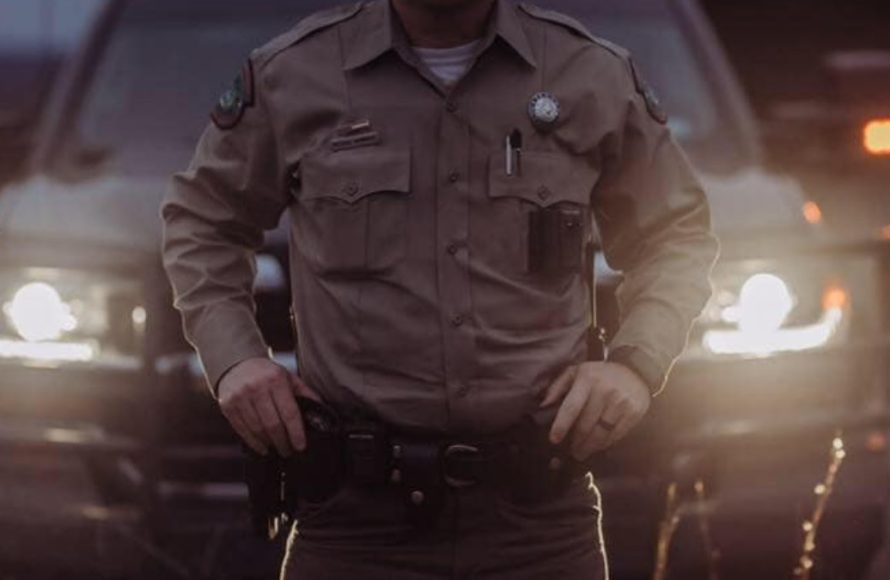
Yes, game wardens typically carry guns as part of their duties.
Have you ever wondered about the tools of the trade for those who protect our wildlife? Many people ask, “do game wardens carry guns?” It’s a valid question when we consider the scope of their responsibilities.
Their work often involves enforcing laws in remote areas, sometimes facing potentially dangerous situations. So, firearms become a necessary piece of their equipment.

Do Game Wardens Carry Guns? Understanding Their Role and Equipment
The question of whether game wardens carry guns is a common one, and the short answer is a resounding yes. But the topic is much more complex than a simple yes or no. It involves delving into the responsibilities of game wardens, the different types of firearms they use, and the legal frameworks that govern their actions. Let’s explore why these officers need to be armed, what other equipment they use, and the situations where they might need to use force.
The Essential Role of a Game Warden
Game wardens, also known as conservation officers or wildlife officers, are the law enforcement arm of wildlife agencies. Their primary duty revolves around safeguarding natural resources and ensuring that people comply with hunting, fishing, and other outdoor recreation regulations. They’re not just there to catch poachers, they play a much bigger role in conservation. Here are some key parts of their job:
- Enforcing Wildlife Laws: Game wardens ensure that everyone follows rules and laws related to hunting, fishing, and trapping. This includes checking licenses, making sure hunters are using legal methods, and enforcing bag limits.
- Protecting Wildlife: They work hard to safeguard animal populations. They are responsible for preventing illegal hunting and poaching, making sure wildlife habitats are protected and kept healthy.
- Public Safety: Game wardens also play a role in keeping the public safe in outdoor areas. They respond to emergencies, help with search and rescue operations, and handle conflicts between people and wildlife.
- Education and Outreach: Wardens often share information with the public to promote responsible recreation, teaching about the importance of conserving natural resources.
- Investigating Violations: When there is suspected illegal activity, game wardens are responsible for investigating it. They collect evidence, interview witnesses, and make arrests when necessary.
Because their job often takes them into remote areas, they must be self-sufficient and ready to handle a variety of challenges, including potentially dangerous situations. This leads us to the reason they need to carry firearms.
Why Game Wardens Need Firearms
The need for game wardens to carry firearms stems from several important factors related to the nature of their work. Here’s a breakdown of why having a gun is part of their job:
Self-Defense
Like any law enforcement officer, a game warden can encounter dangerous situations. They often work alone or in pairs, in secluded areas where backup might be a long way off. Here are some reasons for needing self-defense:
- Encounters with Armed Individuals: When checking hunters and anglers, wardens may encounter individuals who are illegally armed. Some of these individuals may not want to be caught and might be willing to use force.
- Confrontations: Wardens can face people who are under the influence of drugs or alcohol, who are in volatile states, or who have criminal records and don’t want to be arrested.
- Dangerous Animals: Although not their primary focus, game wardens might come across dangerous animals while in the field. A firearm might be necessary to protect them or others.
Enforcement and Apprehension
When a person breaks the law, game wardens need the tools necessary to apprehend the violator and take them into custody. Here’s how firearms assist with this:
- Arrests: When someone is committing a wildlife crime, the warden needs the ability to take them into custody. A firearm serves as a deterrent and can be used if necessary.
- Preventing Escape: If a suspect attempts to flee, the presence of a firearm can discourage them.
- Controlling Dangerous Situations: In situations where a suspect poses an imminent threat to the public or themselves, game wardens must have a method to control and neutralize the danger.
Responding to Emergencies
Game wardens are often first responders in remote areas. Here’s why carrying a firearm is critical in emergency scenarios:
- Assisting Other Agencies: Game wardens frequently assist other law enforcement and emergency agencies. Their firearms can be used in support during search and rescue, natural disaster response, or other emergencies.
- Protecting the Public: If an emergency requires securing an area or protecting civilians, game wardens can use their firearms to ensure public safety.
Types of Firearms Used by Game Wardens
Game wardens don’t just carry any type of gun. Their firearms are carefully selected for their specific jobs and the situations they might encounter. While specific models vary from agency to agency and from region to region, here are some of the most common firearms they use:
Handguns
Handguns are the most common sidearm carried by game wardens, allowing for easy access and maneuverability. Here’s why they’re so crucial:
- Standard Issue: Typically, game wardens are issued semi-automatic handguns. Calibers, such as 9mm, .40 caliber, or .45 ACP, are all common choices.
- Quick Access: Handguns are designed for quick and easy access in unexpected situations. They are an essential self-defense tool.
Rifles
Rifles offer more accuracy and stopping power than handguns, making them essential for various tasks:
- Patrol Rifles: Patrol rifles are often semi-automatic and used for long-range accuracy and better stopping power, especially for dealing with dangerous situations or for hunting down wounded animals.
- Calibers: Common rifle calibers include .223/5.56, .308, and other similar options. These calibers have the range and stopping power for various scenarios a warden might encounter.
Shotguns
Shotguns are versatile tools that can be used for various purposes, including:
- Less-Lethal Options: Some shotguns are used with less-lethal ammunition such as beanbags or rubber bullets. This provides a way to control a situation without the use of lethal force.
- Animal Control: In situations where an animal poses a danger, shotguns are often used to control dangerous animals. They can be effective for moving large animals and also can be used in lethal ways if required.
Other Important Equipment Carried by Game Wardens
Guns are just one part of the comprehensive equipment package that game wardens use. Here’s a look at other essential tools they carry:
Communication Devices
Staying in contact is critical for safety and coordination.
- Radios: Radios are essential for communication with dispatch, other wardens, and other emergency responders.
- Cell Phones: While not always reliable in remote areas, cell phones offer a way to communicate when service is available.
Navigation and Mapping
Wardens often work in remote areas, so they need reliable navigation tools.
- GPS Devices: GPS devices help them navigate and pinpoint locations.
- Maps and Compasses: In areas with no electronic signal, these tools are essential for navigation.
First Aid Supplies
Game wardens need to be prepared for injuries when in the field.
- First Aid Kits: These kits contain supplies to handle common injuries or medical emergencies.
- Personal Protective Equipment: Wardens often have equipment to protect themselves against injury and infections.
Law Enforcement Equipment
Wardens carry equipment to perform their law enforcement duties.
- Handcuffs: Used for detaining and arresting suspects.
- Flashlights: Essential for working at night or in low-light conditions.
- Body Cameras: Many agencies now use body cameras to document interactions and ensure transparency.
Vehicle and Off-Road Equipment
Game wardens need specialized vehicles to access remote areas.
- Trucks and SUVs: These vehicles are often equipped with four-wheel drive to handle different terrains.
- ATVs and UTVs: These vehicles are great for traveling on trails or off-road where a car or truck cannot go.
- Boats: When patrolling bodies of water, game wardens often use boats to access areas.
When Do Game Wardens Use Their Firearms?
Game wardens have extensive training on when and how to use their firearms. Here are some scenarios where they may need to use deadly force:
When There is Imminent Danger
A game warden may use their firearm when their life or the life of another is in immediate danger. This includes situations where a suspect is:
- Displaying a Weapon: If a suspect is showing and threatening to use a deadly weapon.
- Assaulting Someone: When there is an active physical assault or when an assault is attempted and the warden’s life or someone else’s life is threatened.
- Fleeing and Posing a Threat: When a suspect is fleeing and showing that they will pose a deadly threat to others if not stopped.
Legal Restrictions and Training
Game wardens are not trigger-happy, they undergo extensive training and follow strict protocols on the use of force. Here’s an important summary:
- Use of Force Continuum: Game wardens follow a “use of force continuum” which dictates that they must always start with a lower level of force (verbal commands) before escalating to higher level (lethal force).
- Extensive Training: They receive rigorous training on firearms safety, marksmanship, and legal guidelines regarding the use of force.
- Agency Policies: Game wardens must follow strict policies established by their employing agency, limiting when and how they may use their weapons.
- Legal Standards: The use of force must always be justified according to the law, as each scenario is different, so each must be evaluated individually, and all these evaluations are often reviewed by supervisors and legal counsel.
The Importance of Trust and Public Perception
It’s important for people to understand why game wardens carry firearms, because this helps them to trust these officers. Here’s how transparency and understanding improve the community’s view:
Building Confidence
By communicating the role and responsibilities of game wardens, people understand that the use of force is not done haphazardly, and that wardens are trained to make the right decisions.
Promoting Cooperation
When there is trust, people are more likely to follow the laws, work with wardens, and report illegal activity.
Supporting Conservation
The work of game wardens in protecting natural resources is important. Supporting them creates a safer environment for everyone to enjoy the outdoors.
Understanding the “do game wardens carry guns” question is important in understanding their entire role. Game wardens are highly trained professionals who play a vital part in protecting our natural resources. Their jobs can often be dangerous, requiring them to be equipped for any situation they might encounter. They have the legal authority and responsibility to enforce wildlife laws and protect public safety. The use of firearms is always a last resort and a responsibility that is taken very seriously, making them a vital part of wildlife conservation and law enforcement.
Pennsylvania Game warden uses gun to blast deer’s antler off, freeing it from net
Final Thoughts
Game wardens must carry firearms as part of their duty. They enforce wildlife laws and public safety regulations. Their job often places them in potentially dangerous situations.
Therefore, the answer to ‘do game wardens carry guns’ is a definite yes. It is a necessary tool for them to carry out their responsibilities effectively.

