
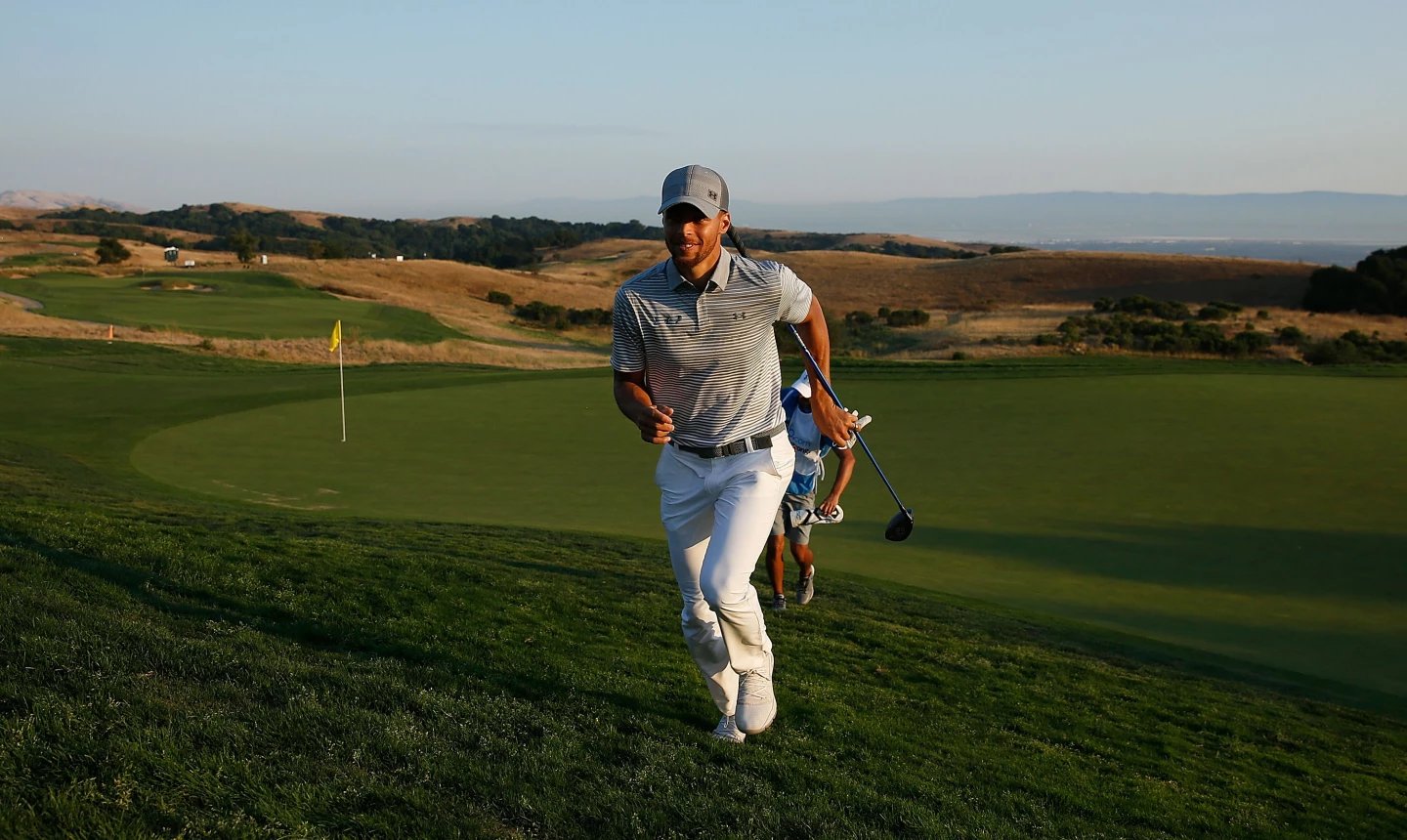
Golf is a sport because it involves physical exertion, skill, and competition, rather than just being a game of chance.
The age-old question of whether is golf a game or a sport continues to spark debate among enthusiasts. Many consider it a pastime, enjoyed with leisurely strolls on manicured greens. However, the dedication, training, and physical precision required suggest there’s more to it than just a casual game.
The swing alone demands strength and coordination. The mental focus necessary to strategize shots adds to the complexity. It’s a mix of athleticism and strategy making it more than a simple game.

Is Golf a Game or a Sport? A Deep Dive into the Age-Old Debate
The question of whether golf qualifies as a sport or remains merely a game is one that has sparked countless debates among enthusiasts, athletes, and casual observers alike. While some might readily dismiss it as a leisurely activity involving hitting a small ball into a hole, others recognize the intricate physical and mental demands it places on its participants. Let’s explore the various aspects that contribute to this ongoing discussion, delving into what defines a game and a sport, and how golf fits within these definitions.
Defining a Game
Let’s start by understanding what makes something a “game”. Generally, games are activities engaged in for amusement or recreation. They often involve rules, but these rules can be simple and easily learned. Games can be played individually or in groups, and winning is typically the objective, but the stakes are generally low. Here are some common traits of games:
- Primary purpose is fun and enjoyment.
- Rules can be basic.
- Skill development might be involved, but isn’t always the main focus.
- Can involve a wide range of activities, from board games to card games.
Think of games like a family board game night or a quick round of cards with friends. These activities provide entertainment and social interaction. They might have competition built-in, but their core purpose isn’t serious physical exertion or intense athletic achievement.
Defining a Sport
Now, let’s examine what qualifies an activity as a “sport.” Unlike a game, a sport typically involves physical exertion, and significant skill. Sports often have organized structures and rules, and they require athletes to train, practice, and compete at a high level. They are often focused on competition and improvement. Here’s a breakdown:
- Requires significant physical skill and effort.
- Involves training and regular practice.
- Has a competitive element and is often organized under rules.
- Performance is measured and judged.
Consider sports like soccer, basketball, swimming, or marathon running. These activities demand strength, speed, stamina, and skill. Athletes dedicate considerable time and effort to improve their performance. There is also a clear emphasis on competition and measurable results.
Analyzing Golf: A Closer Look
Now that we’ve defined what makes a game and a sport, let’s take a closer look at golf and see where it fits in. Golf is not as simple as whacking a ball and hoping it lands in a hole. It requires a combination of physical prowess, mental fortitude, and highly technical skill. Let’s break it down.
Physical Demands in Golf
Although it might not appear as physically demanding as some sports, golf involves a surprisingly intricate set of physical movements. A good golf swing requires a coordinated rotation of the body, strength in the core and legs, and flexibility in the shoulders and back. Here are some elements:
- Strength: While brute force isn’t key, golfers need strength in their core, legs, and arms to generate power and maintain stability during the swing.
- Flexibility: The ability to rotate the torso freely is key to a good swing, and tight muscles can limit distance and accuracy.
- Endurance: Walking several miles over 18 holes can be tiring, especially carrying a golf bag or playing in hot weather.
- Hand-Eye Coordination: Golfers require a high degree of hand-eye coordination to strike the ball consistently and accurately.
Furthermore, repetitive strain injuries are common in golf, showing that the physical stress on the body is more significant than some might think. These injuries can occur from the repetitive motion of the swing, lack of proper form or overdoing it when practicing.
Mental Challenges in Golf
Beyond the physical, golf presents some substantial mental challenges. Concentration, focus, and strategic thinking are critical for success in golf. Here are some mental elements involved in playing Golf.
- Concentration: Golfers need intense concentration to hit consistent shots, stay focused during their game and make sure they are not distracted by other factors on the ground.
- Strategic Thinking: Golf isn’t just about hitting the ball as far as possible. Good players plan each shot, taking into account the wind, terrain, and hazards.
- Mental Toughness: Golf is a game of ups and downs. Players need to be able to handle setbacks, keep their composure, and bounce back from a bad hole.
- Decision Making: From choosing the right club to deciding on the best course of action, golfers must make many strategic decisions during each round.
Many professional golfers work with sports psychologists to improve their mental game, emphasizing the significant role mental strength plays in golf. Mental preparation and control can be just as important as physical ability.
The Competitive Aspect of Golf
Golf has a robust competitive structure at the amateur and professional levels. Tournaments at the local, national, and international level provide opportunities for players to test their skill against the best. Some key aspects of this structure include:
- Professional Tours: The PGA Tour (for men), LPGA Tour (for women), and other professional tours provide a high level of competitive golf, with big prize money and significant recognition.
- Amateur Competitions: From local club tournaments to national championships, amateurs also have numerous opportunities to compete.
- Rankings and Scoring: Golfers’ skill is precisely measured by scores, with handicapping systems making the game competitive for people of all skill levels.
- International Events: Events like the Ryder Cup and the Presidents Cup bring together golfers from different countries for intense international competition.
The highly competitive nature of golf, with its structured tournaments, rankings, and prizes, aligns with the characteristic of a sport.
The Case for Golf as a Game
Despite all of the arguments for it being a sport, many argue that golf is still just a game. They highlight some aspects of golf that align with the definition of a game and don’t really align with some characteristics of sport.
Leisure and Social Aspects
For many people, golf is a leisurely pastime. It’s a way to enjoy the outdoors, socialize with friends, and relax. Many golfers never compete at a high level and instead just enjoy the game.
- Relaxing Pace: Unlike fast-paced sports, golf has a more relaxed pace that allows for conversation and socializing.
- Social Activity: Many people play golf with friends or colleagues for social interaction, not just for competition.
- Recreational Enjoyment: For many, golf is a way to spend time outdoors, enjoy nature, and engage in low-impact physical activity.
These aspects emphasize the “game” side of golf, making it appear less demanding and more of a leisurely activity.
The Argument Against Physical Exertion
Some also argue that the level of physical exertion in golf is less than in many sports. They see golf as primarily a skill-based activity, rather than one requiring intense physical fitness.
- Walking Pace: The physical activity in golf involves mainly walking, which is not as vigorous as running or jumping in other sports.
- Limited Aerobic Demand: Unlike sports like basketball or soccer, golf does not place a large demand on the cardiovascular system.
- Less Emphasis on Power: While power is needed, other factors like accuracy and strategy are often more important than pure physical strength.
These counterarguments suggest that while physical activity is involved, it’s not to the degree of many sports.
The Middle Ground: Game-Sport Hybrid
Perhaps the answer isn’t a strict either/or. Maybe golf exists in a grey area between game and sport, incorporating elements of both. It is a game when played recreationally, or when the focus is social, and it is a sport when played in competition. Here’s a way to think of this:
Recreational Golf vs. Competitive Golf
- Recreational Golf: Played for fun and socialization, this form of golf leans more towards being a game. The focus is on enjoyment and spending time with others, without a significant emphasis on competition or performance.
- Competitive Golf: Played in tournaments, professional tours, and other structured competitive events, this form of golf undoubtedly falls into the realm of sports. It involves serious training, intense pressure, and high levels of skill.
The level of seriousness, competition, and training involved can shift golf from being more like a game to being more like a sport.
The Spectrum of Activities
Think of activities on a spectrum, from purely recreational games on one end to high-performance competitive sports on the other. Golf falls somewhere in the middle, capable of being both a fun game and a challenging sport.
- Games: At one end, you have activities focused purely on fun and relaxation, with limited structure and little physical exertion.
- Hybrid Activities: In the middle, you have activities like golf, which can be both recreational and highly competitive, requiring elements of both skill and physical effort.
- Sports: At the other end, you have activities involving high physical effort, structured competition, and rigorous training.
This spectrum approach provides a flexible way to understand where activities fall based on their level of competition and physical exertion.
So, is golf a game or a sport? The truth is, it’s a bit of both. Its unique combination of physical skill, mental challenge, and competitive structure places it firmly in a grey area. While some might view it as a relaxed way to enjoy the outdoors, it cannot be denied the level of athleticism and training required to compete at the highest levels. Ultimately, whether you see golf as a game or a sport depends on how you engage with it. For the casual player, it’s a fun way to spend time outdoors and relax. For professional golfers, it’s an intensely competitive sport demanding skill, dedication, and constant improvement. The beauty of golf is that it can occupy different places on that spectrum, providing enjoyment and challenge in many forms. The debate may continue, but the love for the game – or is it a sport? – remains strong.
Rules of GOLF : How To PLAY GOLF : Golf Rules For Beginners EXPLAINED
Final Thoughts
Ultimately, golf presents a unique blend. It requires physical exertion, skill, and strategy, elements typically associated with sports. The competitive nature and structured rules also lean towards sport classification.
However, the social aspect, relaxed pace, and varied skill levels also make it feel like a game. Many enjoy it recreationally without strict athletic goals. Thus, the question of “is golf a game or a sport” remains subjective, it largely depend on the participant’s approach.

