
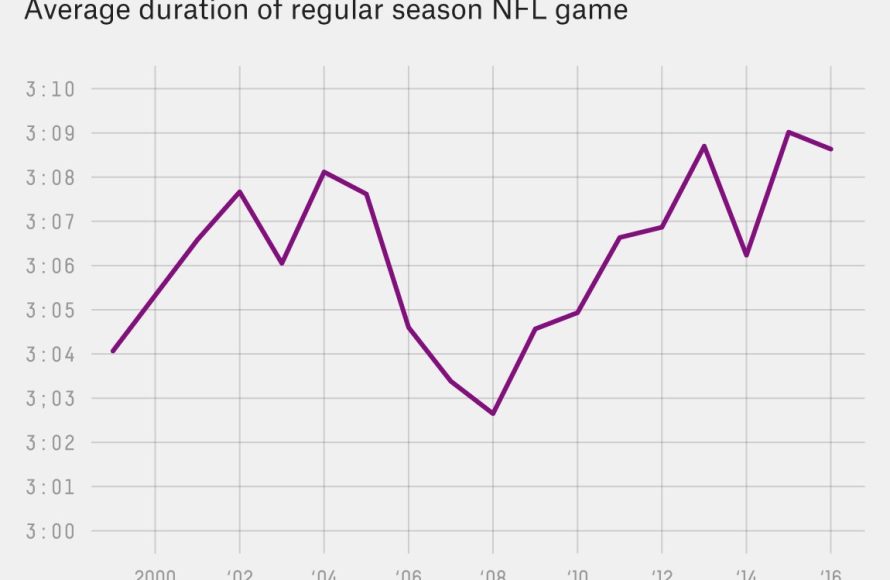
An NFL game typically takes about three hours to complete, though this can vary slightly depending on game events.
Ever wondered, how long does nfl game take? It’s a common question for both seasoned fans and newcomers to the sport. The time can feel different depending on the excitement and the flow of the game.
While the clock shows 60 minutes of play, the actual duration stretches beyond that. You will find many stoppages for timeouts, penalties, and commercial breaks in between. This contributes to the overall timeframe you spend watching.

How Long Does an NFL Game Take?
Ever sat down to watch an exciting NFL game and wondered just how much time you’d be glued to the TV? It’s a question many fans have, and the answer isn’t always as straightforward as you might think. While the official game clock says 60 minutes, the actual time it takes from the kickoff to the final whistle can be quite a bit longer. Let’s break down what goes into the overall length of an NFL game.
The Official 60 Minutes
At its core, a National Football League (NFL) game is divided into four 15-minute quarters. That’s where we get the official game time of 60 minutes. Think of it like four mini-games bundled together. However, there is a lot more to it that extends the total time for watching a game.
Why Games Go Longer Than 60 Minutes
So, if the game is supposed to be 60 minutes, why does it usually take around three hours to finish? It’s because of all the breaks and stoppages that happen during the game. These breaks make the game more strategic and entertaining, but they also add to the total time. Let’s explore what causes these time additions.
Timeouts
Each team gets three timeouts per half, meaning a possible six timeouts during a game. These timeouts are usually 1 minute and 45 seconds long. They allow coaches to talk to players, make changes to strategy, or simply give players a breather. If both teams use all their timeouts, that’s a minimum of 10 minutes and 30 seconds of total time added during the breaks. Timeouts are a crucial aspect of NFL strategy and affect the flow of a game, and add time to an NFL game.
The Two-Minute Warning
At the end of each half, when the game clock hits two minutes, there’s an automatic timeout called the two-minute warning. This break gives the teams a chance to adjust their strategy for the last crucial minutes. It’s a moment for fans to grab snacks, but it also stops the game clock for a short time. This adds to the overall game time as well.
Commercial Breaks
Like in any broadcasted event, there are commercial breaks during NFL games. These happen after almost every play stoppage, including changes of possession, timeouts, and after scoring plays. These commercial breaks can range from a few seconds to a couple of minutes and significantly add to the game time. It may be the most obvious addition to game length but remains unavoidable for television broadcasting.
Halftime
The halftime break is a significant break and is not included in the on-field game time. The halftime break is a dedicated period between the first and second halves of the game. This is generally around 12 to 15 minutes long in the NFL, and it allows players to rest, regroup and coaches to make adjustments. Additionally, it provides fans with entertainment and a breather, but most importantly it contributes to the overall duration of the broadcast.
Injuries
When a player gets hurt, the game clock stops while medical staff tend to them. The time spent dealing with an injury can vary greatly, depending on how serious the injury is. Sometimes it’s a quick pause, other times it can be much longer, sometimes necessitating the use of a stretcher for player safety. Because injuries are random and can vary a lot, it’s hard to say exactly how much time they will add to a game. These delays, however, are necessary for the well-being of the players.
Penalties
When a player breaks the rules, the game clock usually stops while the referees decide the penalty. Sometimes, this involves lengthy conversations among the officials to ensure the correct penalty is assessed, and the penalty can lead to the clock stopping or starting. Also, the time it takes to move the chains and enforce the penalty can add time. Penalties are part of the game, and they contribute to the variance in the game’s total time length.
Instant Replay Reviews
In today’s game, when there’s a question about a play, referees can use instant replay to review it. This involves looking at video footage of the play to make sure the right decision was made. Replay reviews can take from a few seconds to several minutes, depending on the complexity of the play and the review process. These reviews can make sure the right decisions are made, but they add extra time to the game as well.
Overtime
Sometimes, at the end of four quarters, the score is tied. When this occurs, the game goes into overtime which adds time to the game. In the NFL, a new set of rules exist for overtime that differ from the regular game, with a focus on ensuring sudden-death victory. The length of overtime varies. It ends when a team scores a touchdown, or a safety or a team has more points at the end of the overtime period. This can sometimes add many additional minutes to the game, so the game will go well beyond the expected 3-hour window.
Average Total Game Time
Adding up all these factors, it’s not surprising that an NFL game rarely finishes in exactly 60 minutes. On average, an NFL game takes about 3 hours to complete, but this can fluctuate. Some games may finish in about 2 hours 45 minutes or even a little less, if there are less penalties and stoppages. However, games can go well past 3 hours too, especially if they have a lot of penalties, injuries, reviews, or overtime.
Factors Influencing Game Length
Several things can make an NFL game longer or shorter than average. Games with a lot of scoring tend to have more stoppages due to extra point attempts or kickoffs. Close, hard-fought games often have more timeouts called by the coaches, and games with lots of penalties usually have more clock stoppages as the referees discuss and enforce the infractions. Finally, if the game is a playoff game or a Super Bowl, there can be added pomp and circumstance, including halftime shows and extra television coverage that can add to the length of the game broadcast.
Game Length by Different Stages
It can also be useful to think about a game’s length in specific parts. Here’s a look at what you can generally expect:
- First Half: Typically about 1 hour and 30 minutes, including all the stoppages and the two-minute warning.
- Halftime: Around 12 to 15 minutes.
- Second Half: Typically a little longer than the first half because of the clock management and urgency by teams, usually around 1 hour 30 minutes to 1 hour 45 minutes.
If you add all of this together you get the typical 3 hours for an NFL broadcast. If there is overtime, the game time will be extended beyond the normal 3 hour window.
A Quick Look at the Clock
To recap, the actual length of an NFL game is not just about the playing time. Here’s a quick overview of what can make game length longer:
- Official Game Time: 60 minutes (4 quarters of 15 minutes each)
- Timeouts: Up to 6 per game (around 1 minute 45 seconds each)
- Two-Minute Warning: At the end of each half
- Commercial Breaks: Numerous throughout the game
- Halftime: Around 12 to 15 minutes.
- Injuries: Variable time
- Penalties: Variable time
- Replay Reviews: Variable time
- Overtime: Variable time
All of these components combine to make the real-time of an NFL game much longer than the clock shows on screen.
Planning Your Game Day
When you plan your Sunday or your week to enjoy some NFL football, keep in mind that it takes much more than 60 minutes. For a standard game, allocate at least three hours, but be ready for the potential for additional time if the game becomes a close or lengthy one. This can help you plan for watching a game with family and friends and not be surprised by how much time it takes.
So, there you have it. Now you know why an NFL game takes roughly three hours to complete, despite the official 60 minutes of play. The various pauses, stoppages, and breaks are all part of the excitement and strategy of the sport. Next time you settle in for a game, you’ll understand the various factors that make up the game, and you will understand why the games are longer than what you initially thought. Happy Watching!
A Beginner's Guide to American Football | NFL UK
Final Thoughts
An NFL game generally takes around three hours to complete. However, several factors influence the actual duration, including timeouts, penalties, and reviews.
Commercial breaks, which happen frequently, also add to the game’s length. These stoppages extend the overall time significantly beyond the 60 minutes of actual playing time.
Ultimately, “how long does nfl game take” depends on game events, but expect approximately three hours. Plan your day accordingly if you are watching it live on tv or attending it in person.

