
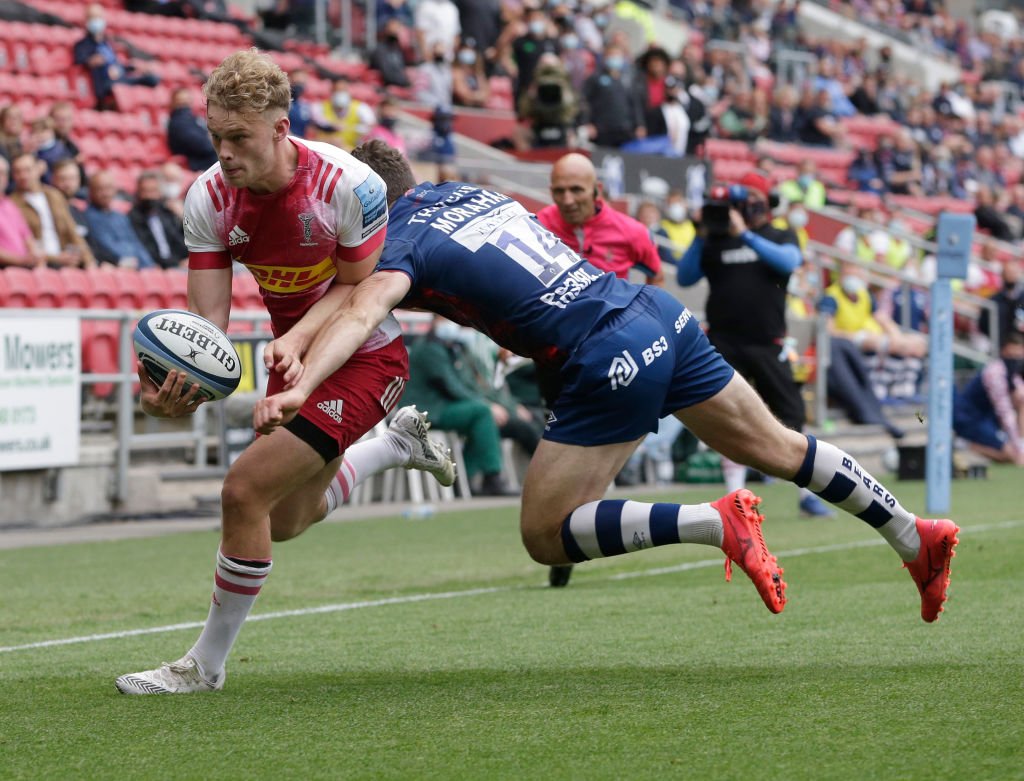
A standard rugby game lasts for 80 minutes, divided into two 40-minute halves, with a short break in between.
Ever wondered about the time commitment involved when watching or playing rugby? Well, you’re not alone, many people ask, how long does rugby game last? It’s a good question to ask before you commit to watching or participating in one.
The duration is a key element of the game, affecting both strategy and spectator experience. Games can seem fast-paced, but the set time period provides a framework. Knowing the time allows fans and players to plan ahead.

How Long Does a Rugby Game Last?
So, you’re curious about how long a rugby match actually takes? It’s a great question! Rugby, with its fast-paced action and hard-hitting tackles, can seem like it lasts forever. But, there’s a specific time frame for games, though it can vary slightly depending on the type of rugby being played. Let’s dive into the details to understand how long you’ll be cheering for your favorite team.
The Standard Rugby Match Length
When we talk about a “standard” rugby game, we’re usually referring to rugby union, the most common form of the sport worldwide. A full rugby union game is divided into two halves, and these halves are usually 40 minutes long. That means, the total playing time is 80 minutes, but it’s not a constant 80 minutes.
Halftime Break
Between the two 40-minute halves, there’s a break, called halftime. This break is typically 10-15 minutes long. It allows players to catch their breath, coaches to give instructions, and teams to strategize for the second half. It’s like a mini-reset button for everyone involved.
What about Stoppages?
You might think that a rugby game is a simple 40 minutes + 15 minutes + 40 minutes, but that’s not quite the whole story. During gameplay, the clock doesn’t always run continuously. There are periods where the clock stops, and this is when a rugby game can go beyond 80 minutes. The clock stops due to different situations including:
- Injuries: If a player is injured on the field, the game clock will stop while they are being treated.
- Scrums: After a penalty or a knock-on, the teams will set up a scrum. During these scrums, the clock often pauses.
- Lineouts: Another stoppage occurs when the ball goes out of bounds and the teams prepare for a lineout.
- Tries and Conversions: Whenever a try is scored, there’s a bit of time while the conversion kick is taken, and this adds some time to the game.
- Other stoppages: Various other stoppages happen during the match such as penalty kicks, reset of scrums, and even just when the referee need to talk with players.
All these small breaks accumulate, often adding anywhere from 10 to 20 minutes (or sometimes even more) to the actual time a rugby game takes to complete. So while the official game length is 80 minutes of playing time, the total time you are at the match can be more than 90-100 minutes.
Variations in Match Length: Other Types of Rugby
While rugby union is the main version, there are other versions of rugby and these can have different time structures. Let’s explore them
Rugby Sevens
Rugby sevens is a fast-paced version of the sport where each team has only seven players. This greatly increases the speed and intensity of the game. Because it’s played with a smaller number of players, the game time is also reduced. Games in Rugby Sevens are shorter, with two halves of 7 minutes each, resulting in a total play time of 14 minutes, with a short 2 minutes break between halves. For a typical tournament like the Rugby Sevens series, the length of the matches are sometimes extended to 10 minutes per half for the final matches.
- Regular Games: 7 minute halves, for a total of 14 minutes.
- Final Games: 10 minute halves, for a total of 20 minutes.
Again, just like the rugby union, you should keep in mind that the extra time can accumulate due to the stoppages. Even though the matches are shorter, the high intensity and fast paced nature of the game makes them an exciting spectacle.
Rugby League
Rugby league is another popular form of rugby, mainly in Australia, England and some parts of Europe. While it shares some similarities with rugby union, the rules are quite different and so is the game’s duration. In rugby league, the standard game length is two 40-minute halves, with a 10 to 15 minutes halftime break, this is same as the rugby union game, so the playing time is 80 minutes.
However, stoppages for injuries, penalties, and other interruptions can increase the overall time the game takes. Similar to rugby union, it’s not unusual for a rugby league match to extend past 90 minutes due to these stoppages.
Timekeeping in Rugby
The role of the referee when it comes to timekeeping is very crucial in a rugby match. They are not only responsible for making calls during the match but also for keeping track of the official match time. It’s their responsibility to start and stop the clock according to rules and ensure the game goes smoothly. Let’s explore timekeeping in a little more details
Referee’s Watch
The referee usually carries a watch that is synchronised with the official time and used for keeping track of match duration. This watch is used to make sure the total match time is correct according to the rules.
Timekeeper’s Role
In many matches, especially professional ones, there’s also a designated timekeeper. This person works closely with the referee to ensure accurate time management. The timekeeper also keep records of the stoppages and ensures the game starts and stops correctly. Together, they make sure that all the time-keeping process goes according to the rule of the game.
Extra Time
When the game clock shows 80 minutes, the referee has to decide whether the game has to be extended to include extra time or not. Referees sometimes allow what is called “injury time” or “stoppage time”. This is the time added to the end of each half, when they feel that there has been excessive stoppages that has caused loss of playing time. For example, if a serious injury has occurred in the last 2 minutes of the game, the ref might add extra minutes to the game. If the ball is in play, the half will often be extended until the ball goes out of play or a try is scored. The referee has the final say in this matter.
Factors That Can Affect Game Length
As we’ve seen, the official time of a rugby match is pretty clear, but some things can make the match last longer. It’s not just about the clock; other factors also play a role. Let’s see how.
The Pace of Play
The speed of play can affect a game’s length. For example, a game with lots of stoppages like scrums, lineouts, and injuries, will naturally take more time. On the flip side, if a game is fast-paced with fewer interruptions, it will likely finish closer to the official playing time. You can usually tell which one is happening by looking at how many stoppages occurs in each half of the match.
Injuries and Medical Stoppages
Injuries are unavoidable in any physical sport like rugby. If a player gets injured, the match clock stops so that they can get proper medical treatment. If the injuries are serious, medical personnel might have to be called to the field, which will result in more stoppages. These breaks can greatly extend the overall length of the match.
Television Broadcasts
In the modern rugby game, television also plays a role. Broadcasts often come with very specific time slots. If a match is live on television, the network may need to ensure the game fits into their schedule. This can sometimes influence the referee to keep things moving along. Some television broadcasts may add additional commercials during the stoppages, which makes the overall match duration longer for TV viewers.
How to Keep Track of Time During a Game
Whether you are a player, a coach, or just a spectator, it is good to be aware of the timing of the game. Here are some tips to help you keep track of time during a rugby match:
- Keep an eye on the scoreboard: Most rugby grounds have scoreboards that show the current match time. Make a habit of checking it now and then to get an idea of the time remaining.
- Listen to the announcer: Match announcers will often provide updates about the game time. Sometimes, the announcers will mention the time that is added as stoppage time.
- Pay attention to the referee: If the referee makes an announcement about time, pay attention to the message.
- Use your phone (with caution): If you need a really accurate timer, use your smartphone. However, be mindful of match etiquette and try not to be distracted by your device throughout the game.
A Quick Recap: Match Times
To sum it all up, lets have a short recap.
Here’s a table summarizing typical match durations for different types of rugby:
| Type of Rugby | Half Length | Halftime Break | Total Playing Time | Approximate Overall Time |
|---|---|---|---|---|
| Rugby Union | 40 minutes | 10-15 minutes | 80 minutes | 90-100+ minutes |
| Rugby Sevens | 7 minutes (10 for final) | 2 minutes | 14 minutes (20 for final) | 16-25 minutes |
| Rugby League | 40 minutes | 10-15 minutes | 80 minutes | 90-100+ minutes |
Keep in mind that the “Approximate Overall Time” can vary due to the stoppages during gameplay. Always be prepared for a match that could go slightly over time.
The duration of a rugby game is not simply 80 minutes. It’s a game of two halves, and each half usually goes for 40 minutes, along with a break at halftime which generally lasts 10 to 15 minutes. Stoppages occur due to injuries, scrums, lineouts, and tries which add to the length. The actual time spent at a rugby match can be anywhere from 90 to 100 minutes or even more. Rugby sevens is a faster game with two halves of only 7 minutes (or 10 in finals). It can be a good idea to keep an eye on the scoreboard, the match announcer, or the referee to keep track of how long is left of the match. Overall, there is a lot to consider when determining the overall match time, so it’s always best to plan for a little extra time when you are heading out to watch a rugby game.
How long is the rugby game? [ rugby rules ]
Final Thoughts
Rugby matches typically last 80 minutes, divided into two 40-minute halves. There’s a halftime break of around 10-15 minutes. Added time for stoppages occurs at the end of each half.
So, “how long does rugby game last” can vary slightly but generally expect about 90-100 minutes including breaks and added time. This should give you a better sense of the match duration.

