
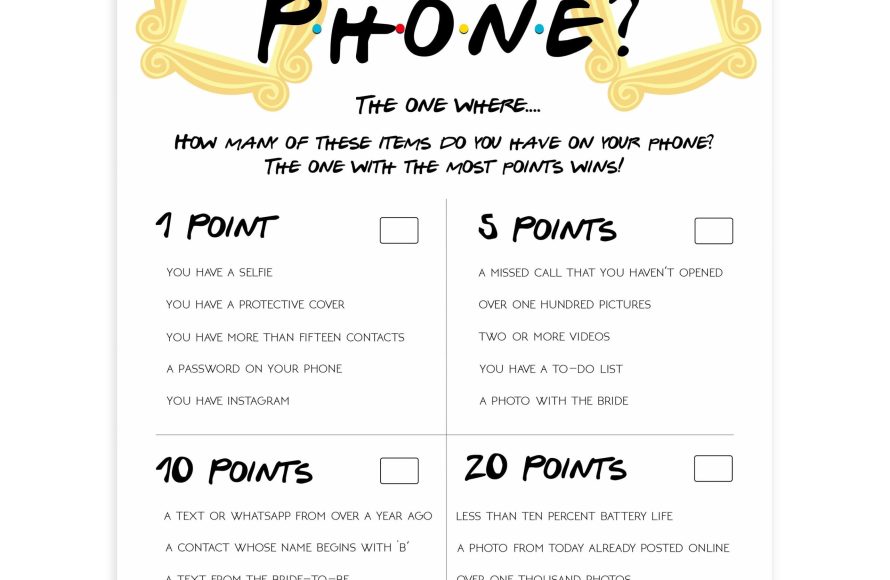
The ‘whats on your phone game’ typically involves participants naming apps or features found on their phone, often in a rapid-fire or challenge-based format.
Ever find yourself staring blankly, trying to remember the name of that one app you always use? Or maybe you’ve been playfully interrogated with “whats on your phone game” at a gathering? It’s a simple concept that reveals a lot about our digital habits.
This popular game highlights the various ways we utilize our phones every day. People enjoy the spontaneous nature of the activity and how it sparks conversations about useful or silly apps.

What’s On Your Phone Game: Exploring the Fun and Silly
Ever been at a party, hanging out with friends, and the conversation hits a lull? Or maybe you’re on a long car ride and boredom starts to creep in? That’s where the “What’s on Your Phone” game comes to the rescue! It’s a super easy game that uses something almost everyone has – a smartphone! The game has variations, but the heart of it stays the same: players ask each other to show certain things on their phones, leading to laughs, surprising revelations, and a whole lot of fun.
How to Play: The Basics
The best part about “What’s on Your Phone?” is its simplicity. No complicated rules, no setup. Here’s how you get started:
- Gather your friends: The more, the merrier! You can play with just two people, or a big group.
- Decide who goes first: You can pick a person randomly, go in a circle, or use some other fun way to choose.
- Ask a question: The first player asks a question starting with “Show me…” related to something that could be on a phone.
- Show and tell: The person who is asked shows the phone to the group. It’s time for explanation or stories, If the asked person is comfortable sharing.
- Repeat and have fun: After one person is done, pick the next person and keep going. You can play until you’re tired of the game or want to change to a new activity.
Good Questions to Ask: Sparking Conversation
The secret to a great “What’s on Your Phone” game is the questions you ask. You don’t want them to be too easy or too hard. Here are some ideas to get you started, broken down into different categories:
Photos and Videos
- Show me the last picture you took.
- Show me your favorite photo.
- Show me a funny video saved on your phone.
- Show me a picture of your pet.
- Show me your most embarrassing photo.
- Show me a photo you took while on vacation.
- Show me a screenshot you recently took.
- Show me the first picture in your camera roll.
Apps and Games
- Show me the app you use the most.
- Show me the game you last played.
- Show me the most useless app you have.
- Show me the app you’ve had the longest on your phone.
- Show me your favorite music app.
- Show me a productivity app that you use every day.
- Show me an app you wish you used more often.
- Show me the game you are most addicted to playing.
Messages and Communications
- Show me the last text you sent. (Be mindful of privacy!)
- Show me the last message you received from your best friend.
- Show me a funny message you have saved.
- Show me your favorite emoji to use.
- Show me a group message you are a part of.
Other Fun Ideas
- Show me your phone’s wallpaper.
- Show me the last thing you searched for on the internet.
- Show me a song that you recently listened to.
- Show me your most used contact.
- Show me the most recent alarm you set.
- Show me the weather forecast for tomorrow.
- Show me the first note in your notes app.
- Show me something in your calendar.
Remember, the key is to keep it light and fun! Encourage everyone to share and have a good laugh.
Keeping It Appropriate: Setting Ground Rules
While “What’s on Your Phone” is meant to be fun, it’s important to keep things respectful. Before you start playing, you might want to set some simple ground rules:
- No pressure to share: If someone doesn’t want to show something, they shouldn’t have to. It’s okay to say, “I’d rather not share that.”
- Mind privacy: Avoid asking for super personal things like bank details or private messages with someone’s family.
- Keep it age-appropriate: Make sure the questions are right for the age group. If you’re playing with younger kids, you might want to avoid questions about dating apps, for example.
- Be kind and respectful: Even if you see something funny on someone’s phone, avoid teasing. This is all about good-hearted fun.
Having these guidelines in place ensures that everyone feels comfortable and can participate fully in the game.
Why “What’s on Your Phone” is a Great Game
This game is popular for several reasons:
- It’s easy and accessible: Everyone has a phone, making it a game you can play anywhere, anytime.
- It sparks conversations: It’s a fantastic way to get people talking and learn more about each other.
- It’s full of surprises: You never know what you might see on someone’s phone!
- It’s adaptable: You can change the questions to fit the group you’re playing with, making it a game for all ages and interests.
- It encourages interaction: In a world where people are often glued to their screens, this game uses them to bring people together.
- It’s quick to start: No setup, no extra materials. Just pull out your phone and play!
Variations on the Game
While the basic game is fun, you can always tweak it to make it even more exciting. Here are some different ways to play:
Themed Rounds
Choose a theme for each round. For example, you could have a round focusing on “Most Used Apps,” then another on “Funny Photos,” or even a “Travel Memories” round.
“Most Likely To” Version
Instead of saying “show me,” you could say, “Who on their phone is most likely to…” and have everyone show something that fits that description. For example, “Who on their phone is most likely to have a ton of food delivery apps?”
The Storytelling Round
When someone shows something from their phone, they have to tell a story about it. This can lead to even more laughs and great memories.
Points System
You can add a points system where people get points for finding something unique or funny on their phone. This adds a competitive element to the game.
The Blind Phone Game
Players can not see the phone screen while the questions are asked. This adds a layer of challenge and humour to the game, as players have to rely solely on their memory or guessing.
The Social Benefits of “What’s on Your Phone”
Beyond just being a fun time killer, “What’s on Your Phone” actually has some social benefits. This game can help people:
- Build connections: It helps people see each other’s quirky sides and can create bonding moments.
- Start conversations: It is a great way to break the ice and get conversations flowing, especially in groups where people don’t know each other well.
- Practice sharing: It encourages players to be open and share parts of their life, in a comfortable and controlled way.
- Learn new things about friends: Discovering new apps, interests, and photos on someone’s phone can reveal hidden depths.
- Have a good laugh together: The shared humor and silly situations help make connections and create fun memories.
- Enhance communication skills: Players will have to explain why certain apps are on their phone or describe what is happening in a photo, enhancing their ability to articulate themselves.
In an era where face-to-face interaction seems to be decreasing, this game is an excellent way to bring people together and encourage interaction.
Tips for the Best “What’s on Your Phone” Experience
To get the most out of the game, keep these tips in mind:
- Be a good sport: Remember that it is all about having fun. Don’t be critical of what others have on their phones.
- Keep it moving: Don’t get stuck on one phone for too long. Try to keep the pace going to keep everyone engaged.
- Be creative: Think of unique and unusual questions that will catch people off guard.
- Don’t be afraid to laugh: The game can get silly, so embrace the humor and enjoy the moment.
- Set time limits: Decide how long to play each round or how many rounds you want to play to avoid getting bored.
- Be inclusive: Make sure everyone in the group has a chance to play and that nobody feels left out.
“What’s on Your Phone” and Different Age Groups
The adaptability of “What’s on Your Phone” makes it perfect for all ages. However, you might need to tweak the game slightly, based on the group you’re playing with.
Playing with Kids
When playing with younger children, make the questions simpler and focus on the more child-friendly features of phones. Ask them to show their favorite animal photo, their best drawing app, or their favorite game.
Playing with Teens
With teenagers, you can be more adventurous but still mindful of boundaries. Questions can revolve around music, social media, and popular apps but steer away from inappropriate topics.
Playing with Adults
With adults, you can be a bit more personal and humourous, and the conversation can venture to areas that aren’t always appropriate for kids and teens. This can be about travel photos, cooking apps, and all the other fun and practical things on our smartphones.
The key is to match the questions to the comfort levels and interests of the group. This ensures that everyone has a good time.
So, the next time you’re looking for a fun and engaging way to pass the time, remember the “What’s on Your Phone” game. It’s simple, it’s hilarious, and it’s a fantastic way to connect with friends, old and new. Whether you are stuck in a waiting room, at a party, or just hanging out, you’re bound to have a great time playing this unique game. So grab your phone, gather your friends, and get ready to show and tell! Enjoy the laughter, the surprises, and the unique connections that happen when people share a piece of their digital lives.
What's On Your Phone Game!
Final Thoughts
So, the best phone games offer quick entertainment. They fit perfectly into small moments of downtime. Remember that fun games should be easily accessible.
Ultimately, the question “what’s on your phone game” is personal. It varies based on individual preferences and the type of play you enjoy. Choose options that provide engaging fun.

