
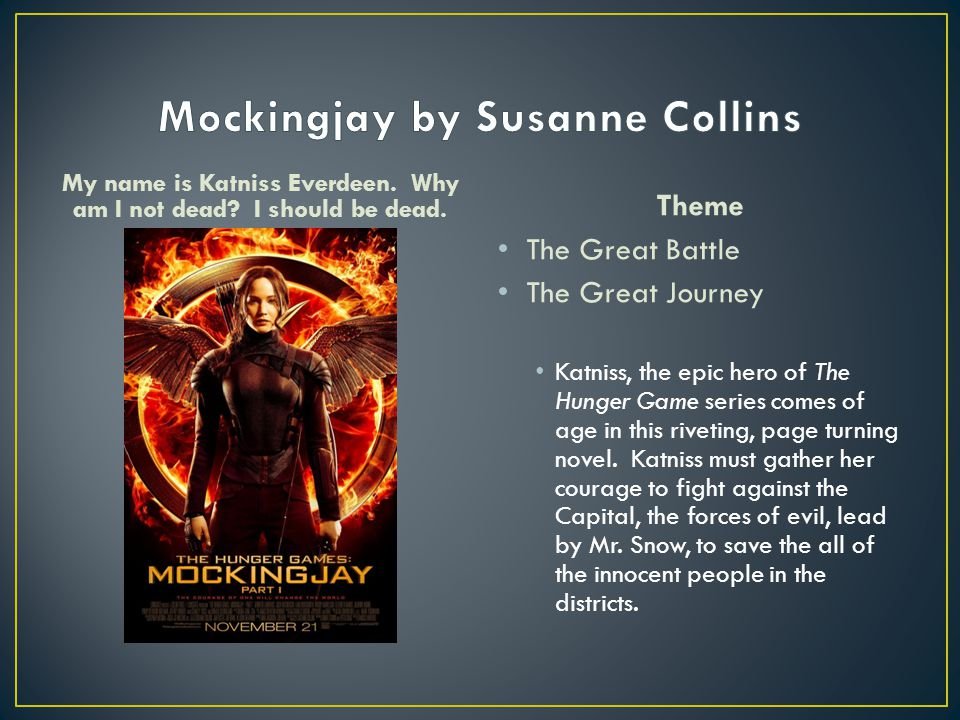
The main theme of the Hunger Games is survival against oppressive systems, highlighting the power of rebellion and the cost of freedom.
What is the main theme of the hunger games? It’s a question that sparks many discussions among fans. The story goes far beyond simple battles. It delves into the deep core of societal control.
We see how the Capitol uses the Games to maintain power. The characters struggle for their own lives. We also witness their fight against injustice.

What is the Main Theme of The Hunger Games?
The Hunger Games, a thrilling series loved by many, isn’t just about kids fighting in a scary arena. It’s actually a story packed with big ideas about how societies work, what it means to be brave, and the power of hope, even in really tough times. Let’s dive deep and explore what really makes these books so important.
Oppression and Control
At its heart, The Hunger Games shows us a world where one powerful group, the Capitol, has complete control over everyone else. They do this through fear and by keeping the districts poor and powerless. Think of it like a school bully who takes everyone’s lunch money – the Capitol takes away the districts’ resources and their freedom.
The Districts’ Plight
The districts are forced to live in harsh conditions, with very little food, medicine, or comfort. They work hard for the Capitol, but get nothing much in return. This setup isn’t fair at all, and the story makes us think about what happens when people in charge don’t care about the needs of those they rule. It’s like they’re living under a big, dark cloud where it’s always raining trouble. The way the districts are treated shows us how important it is for everyone to have the same chances and rights.
The Capitol’s Cruelty
The Capitol lives a life of luxury and excess, completely disconnected from the suffering of the districts. They enjoy the Hunger Games as entertainment, showing just how uncaring they are. It’s like having a party while your neighbors are starving. This stark contrast between the rich and the poor is a big point in the story, highlighting how unequal things can get when one group gets all the power. The games are not about fun; they are a means of control and a very brutal way to remind the districts who’s in charge. The sheer cruelty of the games is a constant reminder that the system is deeply flawed.
Rebellion and Resistance
But the people in the districts don’t just sit around and take it. The Hunger Games explores how regular people, faced with terrible oppression, find the courage to resist. Katniss Everdeen, our main character, is a perfect example of this. She starts by wanting to save her sister, but she soon becomes the symbol of hope and rebellion for everyone.
The Spark of Defiance
Katniss’s act of volunteering as tribute is the start of the rebellion. Her defiance of the Capitol’s rules plants a seed of hope in the districts, showing everyone that it’s possible to challenge authority. Think of it as one person speaking out in class and then other kids slowly joining in. This bravery acts as a catalyst for change. The author shows us that even one person’s actions can influence a much larger group.
Building a Movement
As the story progresses, the rebellion grows. The people of Panem start fighting back against the Capitol, working together to create change. It isn’t an easy path; there are losses and struggles. But the spirit of the rebellion shines through the books, emphasizing how important it is to fight against what is not fair. The books clearly show that change requires not only bravery, but also the collaborative efforts of many. The author demonstrates that real change comes with collective action.
Survival and Sacrifice
Survival is a big theme in The Hunger Games. We watch Katniss do whatever she can to stay alive in the arena. This highlights the extreme conditions people face and how they deal with them. People are not just worried about themselves, but also about the ones they love, showing the power of sacrifice.
Tough Choices
Katniss often has to make very difficult choices, often sacrificing her safety for others. For example, she volunteered to go into the arena to save her sister. These choices show us that sometimes doing what’s right means putting yourself in danger. It raises some difficult questions about the value of life and the choices people make when the stakes are so high. The books make it clear that survival often means making some very tough choices.
The Value of Life
The constant threat of death makes the characters, and us as readers, think about what’s truly important. The books highlight how precious life is and how much we should try to protect it. It’s not just about surviving the Games, it’s about living a life that has purpose. The author shows that facing adversity can make us appreciate life on a deeper level. The narrative forces a reflection on what it means to value existence.
The Power of Propaganda and Media Manipulation
The Capitol isn’t just strong because it has an army, it uses propaganda to keep control. They twist the truth and use the media to make the people in the districts believe certain things. The Hunger Games really highlights how dangerous it can be when people in power control what we see and hear.
Distorting Reality
The Capitol manipulates everything that’s shown on TV and the news. They make the Hunger Games seem like fun and games, so the people watching in the Capitol don’t fully realize that these are children being forced to fight to the death. This distortion of reality shows us how easy it is for those in power to control information and how important critical thinking is. The books warn us about blindly accepting whatever we are told.
Using Images to Control
The images and messages sent out by the Capitol are all meant to keep control. They portray the Capitol as an ideal place to live, and the districts as poor and weak. It is used to make the people in the Capitol feel good about themselves, and the people in the districts to feel helpless. The author clearly demonstrates how the control of media can shape public perception. The story serves as a warning about the influence of propaganda.
The Importance of Hope
Despite all the darkness and hardship, The Hunger Games also shows us the power of hope. Even in the most terrible times, people find ways to keep their spirits up and continue believing things can get better. It’s like finding a tiny flower growing in a crack of the pavement – it’s a sign that life goes on and hope survives.
Symbols of Hope
Katniss becomes a symbol of hope for the districts. Her bravery and refusal to give up gives them the strength to fight for their freedom. She represents the idea that one person can make a difference. Katniss’s image as the Mockingjay, becomes a symbol of resistance, embodying the people’s hope for a better future. She serves as an example that a single individual can ignite change.
Finding Strength Within
The books show us that hope isn’t just about thinking things will get better, it’s about finding strength within ourselves, even when things look hopeless. It’s about continuing to believe in the power of people working together for a better world. It’s the determination to not let despair win. The author underscores that internal fortitude plays a crucial role in overcoming difficult situations. The series showcases how internal strength can make a real difference.
Social Inequality
The story highlights a huge gap between the rich and the poor, between the Capitol and the districts. The people in the Capitol live in luxury while most of the people in the districts are struggling to find food, water, and basic needs. This glaring inequality is one of the biggest messages in The Hunger Games, showing what can happen when a society is not fair.
The Gaping Divide
The stark contrast between the Capitol and the districts is a constant reminder of the unfairness that exists. We can see that the rich become richer, while the poor are constantly exploited. This divide is the fuel that ignites the rebellion. The series highlights the negative consequences of unchecked power and extreme economic disparity. The author uses the characters to underscore the dangers of inequity.
The Effects of Poverty
The districts’ poverty is not just an unfortunate circumstance, it is a deliberate tool used by the Capitol to keep them weak and dependent. People in the districts have very little choice about how they live, which emphasizes how social inequality can limit individual freedom and well-being. Poverty has many consequences and that’s what the author shows in the books. It is a potent tool for maintaining control.
The Complexity of War
The Hunger Games doesn’t glorify war, it shows how complicated and messy it is. We see the toll war takes on everyone, not just those fighting on the battlefield. It shows the destruction, loss, and moral questions that come up when people resort to violence.
The Cost of Conflict
Throughout the books, we see how much war affects lives and causes damage. Characters suffer emotional and physical scars. The book does not just showcase the fight, but it also shows the personal cost of conflict. The story illustrates that conflict has repercussions far beyond the immediate battle.
Moral Gray Areas
The books show us that war isn’t just about good versus evil, often times the lines between right and wrong are not very clear. Characters face complex choices that do not always have easy answers. It’s a reminder that morality is complicated during times of conflict. The author underscores the ethical complexities of war, challenging the idea of a clear division between good and bad.
The Hunger Games is more than a fun story; it’s an important series that asks a lot of questions about society, courage, and hope. It reminds us about the importance of justice, fairness, and speaking out against what is not right. The books encourage us to think about our own world and how we can make it a better place for everyone.
The Hunger Games (2012) | Main Theme
Final Thoughts
The Hunger Games primarily explores the devastating impact of oppression and inequality. A corrupt Capitol forces districts to compete in a brutal game for entertainment, showing how power can dehumanize. The story depicts rebellion and the fight for freedom against a cruel system, ultimately showing the resilience of the human spirit.
The main theme of the hunger games is survival amidst systemic injustice. Katniss’s actions ignite a revolution, revealing that even one person can challenge a powerful regime. These themes resonate with real-world issues about inequitable structures.

