
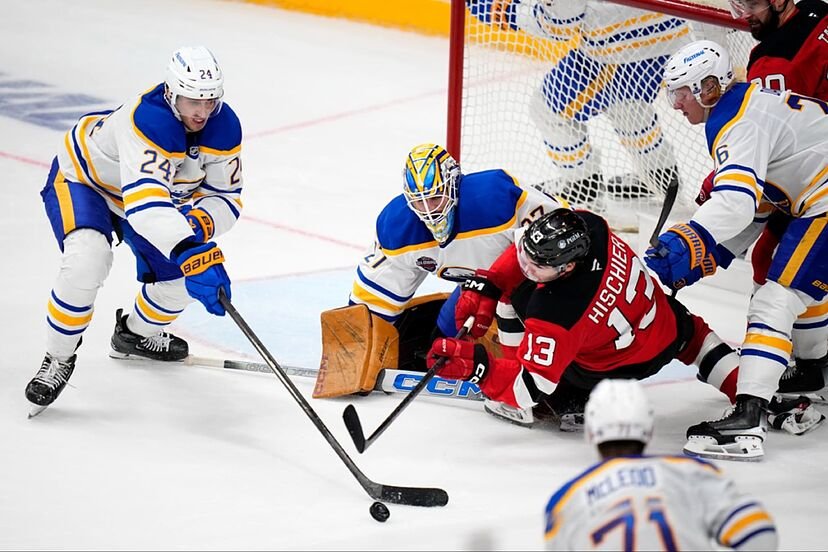
A standard professional hockey game lasts for 60 minutes of playing time, divided into three 20-minute periods, not counting intermissions and potential overtime.
Ever wondered how long a hockey game last? The clock seems to tick both incredibly quickly and agonizingly slowly, depending on the situation. Understanding the time structure of the game is actually pretty straightforward, but it does include some breaks.
The core of the game consists of three 20-minute periods of play, totaling 60 minutes of on-ice action. Intermissions between periods and potential overtime periods, add to the overall time a game takes.

How Long Does a Hockey Game Last?
Okay, let’s dive deep into the exciting world of hockey and figure out just how long you can expect to be glued to your seat, cheering on your favorite team. It’s not as simple as saying “it’s always this long,” because there are several factors that can change the total time. We’ll explore everything from the standard game structure to what causes those exciting (or sometimes nail-biting) overtime periods. So, grab your jersey, and let’s get started!
The Standard Ice Hockey Game Structure
The basic structure of a hockey game is pretty straightforward. Think of it as three main parts, like a three-layer cake. These parts are called periods.
The Three Periods
A typical hockey game consists of three periods, and each one is 20 minutes long. However, that’s just the playing time. The clock stops whenever there’s a stoppage in play, like when the puck goes out of bounds, a penalty is called, or a goal is scored. This means a period can actually take a lot longer than 20 minutes to complete in real time.
Let’s see a breakdown of what a typical game looks like:
First Period: 20 minutes of play.
Intermission: A break, usually around 15-20 minutes long, after the first period. This allows the players to rest, the ice to be resurfaced by a Zamboni, and the fans to grab a snack.
Second Period: Another 20 minutes of action on the ice.
Intermission: Another 15-20 minute break, same as before.
Third Period: The final 20 minutes of the standard game.
The Total Regulation Game Time
If you add it all up, a standard regulation hockey game has 60 minutes of playing time (3 periods x 20 minutes per period). But, because the clock stops often, the game usually lasts much longer in real-time. You should plan for about 2 to 2.5 hours from when the game starts, maybe a bit longer if there are a lot of stoppages.
Factors Affecting the Length of a Hockey Game
Now that we understand the basic structure, let’s look at the things that can make a hockey game take more time than expected. These factors are what often lead to those exciting and nail-biting moments.
Penalties
When a player breaks a rule, they get a penalty. These penalties stop the game clock, and the penalized player goes to the penalty box. There are different kinds of penalties, some lasting two minutes, and some lasting longer. Penalties can cause many stoppages of play, lengthening the game.
Minor Penalties: Usually two minutes long.
Major Penalties: Can be five minutes long or lead to a player being kicked out of the game.
Stoppages in Play
As we mentioned earlier, the clock stops whenever the puck is not in play. Common stoppages include:
Icing: When a player shoots the puck from their own side of the center red line all the way past the opponent’s goal line without it being touched, the play is stopped.
Offsides: If a player enters the attacking zone before the puck does, the play stops.
Puck out of Bounds: If the puck goes over the boards or out of the playing area, the game stops and restarts.
Injuries: If a player gets hurt, the game stops while the player gets medical attention.
Goal Scoring: After each goal, the play stops to allow the ref to confirm, and the players to celebrate, or prepare to restart.
These stoppages, combined with time-outs, commercial breaks, and the time spent between periods, increase the overall duration of a hockey game.
Time-Outs
Each team can call a timeout during the game. Usually each team gets one timeout per game but it can depend on the league. Time-outs are used to regroup players, plan strategies, or give players a short breather. When a team calls a timeout, the clock stops, and this also contributes to the total game length. These timeouts can be especially crucial toward the end of close games.
Overtime Periods
What happens if the game is tied after the three regular periods? Well, this leads us to overtime, which is exciting and can really add to the time you’re watching a game.
Overtime Rules in Different Leagues
The rules for overtime periods can vary depending on the hockey league:
NHL Overtime: In the regular season, NHL games use a 5-minute, 3-on-3 sudden-death overtime period. This means that the first team to score wins the game. If no one scores in the five minutes, the game goes to a shootout. In the playoffs, the overtimes are longer, and it’s also sudden death, but the players go into a full 20-minute period and continue to add period until the winner is decided.
Other Leagues: Other leagues might have different rules for overtime, such as 5 minutes with regular 5 players, or shorter overtimes or shootouts.
Shootouts: If overtime does not decide a winner, a shootout is used, it is also known as penalty shots. This is where players from each team take turns taking shots at the opposing goal.
How Overtime Affects Game Length
Overtime can add a significant amount of time to the overall length of a hockey game. The additional 5 minute overtime, the shootout, or the long playoff overtime can turn a close game into a marathon viewing experience. It also adds excitement, as fans never know how long a game will last or what will happen.
Variations Across Hockey Leagues
It’s important to note that the length of a hockey game can vary depending on the league. While we’ve been mostly talking about the NHL, let’s briefly touch on other variations:
Different Professional Leagues
Leagues outside of the NHL may have their own variations in game structure, overtime rules, and game length. These changes might be minor or significant, depending on the league. They also usually follow a similar format with three periods of 20 minutes each, but some leagues may have 15-minute periods.
Youth Hockey
Youth hockey games often have shorter periods, usually around 10 or 15 minutes each. The length of intermissions may be less, to save on time. This is to accommodate the younger players, whose attention and stamina are different from professional players. This allows for more games and practices, and keeps the young players more engaged.
International Hockey
International tournaments, like the Olympics, generally follow rules similar to the NHL, but there can be differences that affect the game’s duration. These difference are generally small but do have impact on timing of game.
Quick Summary on How Long Hockey Game Last
To recap, the duration of a hockey game depends on a number of things. Here’s a quick guide:
A standard hockey game has three 20-minute periods for a total of 60 minutes of play.
Actual game time usually ranges from 2 to 2.5 hours, due to stoppages in play.
Penalties, stoppages, and time-outs all contribute to the total length of the game.
Overtime can add additional time, with varied rules depending on the league.
Youth games are shorter, with shorter periods and shorter intermissions.
So, next time you plan to watch a hockey game, set aside a good chunk of time, because you’re in for an exciting event that can go longer than you might think.
Enjoy the game!
Based on our discussion, we know that the standard game length is 60 minutes, but it can significantly extend due to various factors like stoppages, penalties, overtime, and intermissions. So, when you settle in to watch a game, be prepared for a thrilling ride that could be shorter or longer than the standard 2 to 2.5 hours.
How long is a hockey game?
Final Thoughts
A standard hockey game lasts 60 minutes, divided into three 20-minute periods. However, stoppages for penalties, goals, and puck out of play extend the total time. Overtime and shootouts further impact the duration of a game.
Therefore, while the regulation play is 60 minutes, the actual time for ‘how long hockey game last’ varies. Games can often take around two to two and a half hours to complete with all the stoppages included.

