
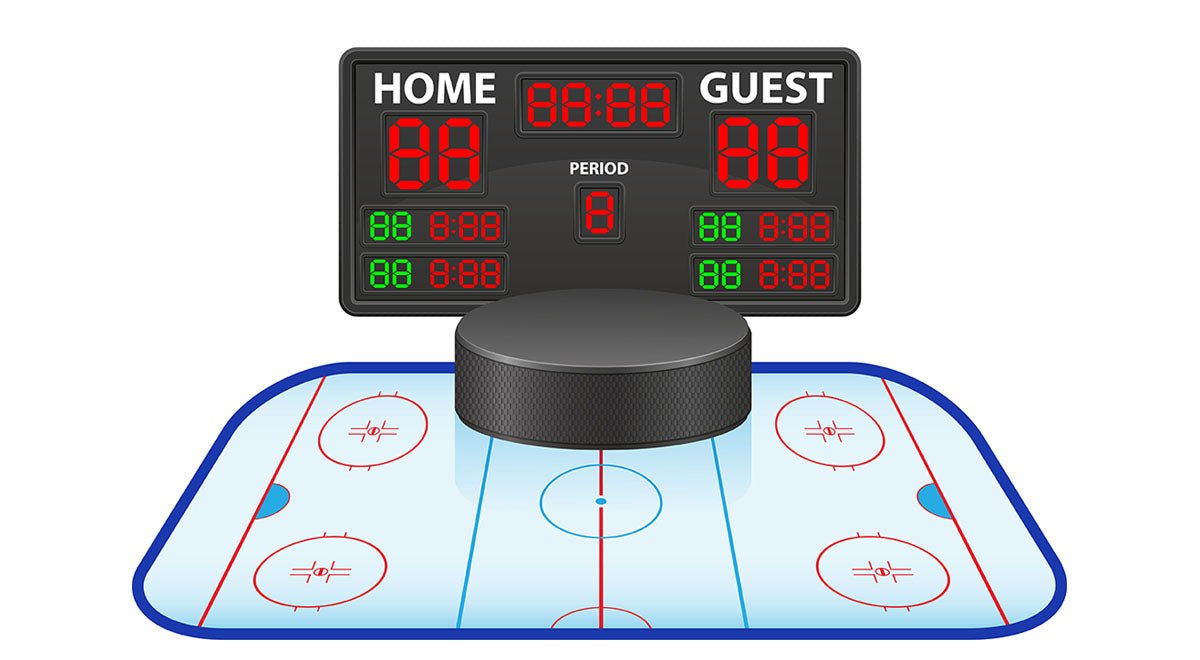
A standard hockey game lasts 60 minutes, divided into three 20-minute periods, with intermissions between each period.
Ever found yourself wondering about the clock when watching a thrilling hockey match? It’s a common question, especially for new fans. Understanding how long hockey games last can significantly improve your viewing experience. The game’s duration isn’t just about the on-ice action, it also includes the breaks and intermissions.
These stoppages in play contribute to the overall time, so while the game clock shows 60 minutes, the total duration can vary. This breakdown of play and pauses creates a unique rhythm to the game. It’s more than just 60 minutes, it’s an experience!

How Long Hockey Games Really Are
Okay, so you’re curious about how long hockey games last, right? It’s a great question because it’s not as simple as saying “it’s always this long.” There are a bunch of factors that can make a hockey game shorter or longer. We’re going to break down all the parts of a hockey game, talk about extra time, and even look at different leagues. So, grab your favorite snack, and let’s dive into the exciting world of hockey game lengths!
The Basic Structure: Periods, Intermissions, and Clock Time
At its heart, a hockey game has a very clear structure. It’s divided into three main parts called periods. Each period is a specific amount of playing time. Just like in school, there are breaks in between periods, and these are called intermissions. Let’s look at each of these parts:
The Three Periods
A regular ice hockey game has three periods. Most of the time, each period is 20 minutes long. But there’s a catch – that’s just the amount of time the clock is actually running. We call that “stop-time.” When play stops because of a penalty, a puck out of bounds, or a goal, the clock stops too. So, even though each period is 20 minutes of playing time, the period actually lasts longer than that because of all the stops.
The Intermissions
After each period, teams take a break known as an intermission. These intermissions allow players to rest, coaches to talk strategy, and sometimes it’s a chance for fans to grab some food or use the restroom. In general, intermissions are around 15 to 18 minutes long, but they can sometimes vary depending on the league and the specific venue. The time during the intermission is not part of the game’s playing clock. It’s just time to rest and reset.
The Total Clock Time
Now, let’s put it all together! If we just considered the playing time, a hockey game would be 20 minutes x 3 periods, which is 60 minutes or 1 hour. Add in two 15-18 minute intermissions, and you get about 90 to 96 minutes. But remember, those clocks stop often during play, so in total it is common for a game to stretch between 2 hours to 2.5 hours sometimes. Some games might run even longer. All of this time is part of the total clock time of a hockey game.
What Makes a Game Go Longer?
So, now we know the basic structure, but why do some hockey games seem like they go on forever? Several factors can extend the duration of a hockey game. Here are some of the main culprits:
Penalties
Penalties are a big reason why games go longer than expected. When a player breaks a rule, they go to the penalty box, and the other team gets a power play. This means the penalized team has one fewer player on the ice, usually for 2 minutes. Because the clock stops after every penalty and before the power play begins, this is when the game adds more time. If there are many penalties, then that means the game can be way longer than usual. Penalties are very much part of hockey, so the clock stops for these times.
Television Time Outs
Television networks that broadcast hockey games need time for commercials. They use these to show the advertisements that bring in money for the TV stations and the sport itself. Because of this, there are sometimes extra stoppages in play, known as “TV timeouts”. These breaks don’t add any game time, but they do make the overall time you spend watching the game a bit longer. TV timeouts are very important for the TV side of hockey, but it does impact the total game time.
Injuries
Injuries can also make a game take longer. If a player is hurt, the referees will stop play. The clock will stop running while medical staff and team staff tend to the player. Sometimes, if a player needs more serious attention, they might get taken off on a stretcher. All of this adds time to the game. Nobody wants players getting hurt, but it’s a necessary part of the sport.
Video Review
Sometimes, the referees aren’t sure about a call, like if a puck went into the goal or if a player was offside. In those cases, they might look at video replays to review the play. That’s called a video review. These reviews take some time while they review it on screens. This makes the game take a little longer because every second counts when they need to review a call. These reviews are important to make sure the game is being played correctly, so the time is worth it.
Overtime
In many leagues, if the game is tied after three periods, it goes into an extra period called overtime. The rules for overtime can vary, but in most cases, the game can end very quickly. The first team to score in overtime wins. In other cases, there can be an extra time limit, and if no one scores by the time the clock is up, a shootout is used. Overtime and shootouts make the game much longer, so a normal game can become a long night of hockey, sometimes. Overtime makes hockey very exciting, because you never know how long it will last.
Differences in Game Length Across Leagues
While the basic structure of three 20-minute periods is standard, the exact length of games can vary based on the league. Let’s take a look at some popular leagues and how their game times differ:
National Hockey League (NHL)
The NHL is the professional hockey league in North America. In NHL games, the three periods are 20 minutes each, and intermissions are usually about 17 minutes. The average NHL game is around 2.5 hours long. However, remember all the things that make the game longer? In the NHL, those factors are very much present. Overtime in the regular season is 5 minutes of 3-on-3, and the game ends once a team scores during those 5 minutes. If nobody scores in overtime, then a shootout is done. Playoff overtime rules are very different from the regular season overtime rules.
American Hockey League (AHL)
The AHL is a professional development league for the NHL. They play by similar rules, but the overall game length tends to be slightly shorter. This is because they may have less TV timeouts or less frequent video reviews. However, the differences aren’t too big.
Other Leagues: College and Junior Hockey
When you move down to college hockey or junior hockey, you might find some differences. College games, like those in the NCAA, also use three 20-minute periods. Sometimes, overtime rules can be a little different than the NHL. Junior leagues, like the Canadian Hockey League (CHL), follow the same time and rules as the NHL. In general, the same rules apply across most leagues, but specific factors may make them different.
International Hockey
International hockey, like in the Winter Olympics or the IIHF World Championships, also uses three 20-minute periods. However, overtime rules can be different from the NHL or minor league hockey, which can change the game’s total length. Usually the overtime in international games is a 5-on-5 overtime with 10 minutes, which could make games longer. Also, different countries or tournament structures may have slight modifications to rules or procedures, impacting overall game time. Each league has their own set of rules.
Special Game Situations
Sometimes, there are special game situations that affect how long a hockey game might last. These scenarios add more time, or they may make a game shorter, depending on the situation. Let’s look at some:
Playoff Hockey
Playoff hockey is a totally different beast from regular season games. One of the biggest differences is in overtime. In the NHL playoffs, if a game is tied after three periods, they keep playing regular 5-on-5 hockey with no time limit. They play one overtime, and then another, and another until someone scores. This is called sudden-death overtime. This means games can go on for a very long time. Games can be a lot longer in the playoffs, since they don’t end until someone wins.
Exhibition Games
Exhibition games, sometimes called preseason games, might have different rules compared to regular season games. Sometimes, coaches will use these games to test out new players or try different line combinations. The structure of intermissions or other rules may be different compared to normal games. Preseason game play is usually for the coaching side to experiment.
Shortened Games
Sometimes, a game might get shortened. This might happen due to unusual situations, like if the ice is damaged or if there is a major delay due to weather. In those rare cases, the officials might agree to shorten the periods to make sure the game can still be played. They can also decide that the game is finished with the current score. Shortened games do happen, even if it is not common.
A Quick Recap: Key Things That Affect Game Length
To make it easier, here’s a list of the main things that impact how long a hockey game lasts:
- The three 20-minute periods (stop-time)
- Two intermissions (15 to 18 minutes)
- Penalties and power plays
- Television timeouts
- Injuries
- Video reviews
- Overtime periods and shootouts
- Playoff overtime rules
- Special situations and rules across different leagues
Estimating Time: What to Expect
So, what’s a good way to think about the length of a hockey game? Here are a few guidelines:
- Typical Game: A standard game with not too many penalties or stoppages will usually take about 2 to 2.5 hours.
- Long Game: If there are lots of penalties, injuries, or video reviews, a game might go over 2.5 hours, potentially reaching 3 hours or more.
- Playoff Game: Playoff games, especially those in the NHL, can be unpredictable and can go much longer, especially if they reach multiple overtimes. Be ready to stay up late!
Keep in mind that these are general estimates, but every hockey game has its own unique flow and can take different amounts of time. So, if you’re planning to attend a game, make sure you have a little extra time to spare, just in case things run long! Always check the specific league rules for their game structures, and that is the most accurate time.
Understanding the components of a hockey game and the factors that can influence its duration will give you the proper outlook to watch hockey. From the standard three periods to the excitement of overtime, every moment adds to the experience. This knowledge will enhance your enjoyment of the sport, making each game a unique and thrilling watch. So next time someone asks you, “How long are hockey games?” you’ll be ready to answer with confidence!
How long is a hockey game?
Final Thoughts
A standard hockey game runs for 60 minutes, divided into three 20-minute periods. Intermissions between periods add to the total time. Penalties also pause play and make games longer than the clock suggests.
Overtime and shootouts can extend ‘how long hockey games’ further if there’s a tie. Therefore, expect most professional hockey games to last around two and a half hours. Keep these durations in mind when planning to attend or watch.

