
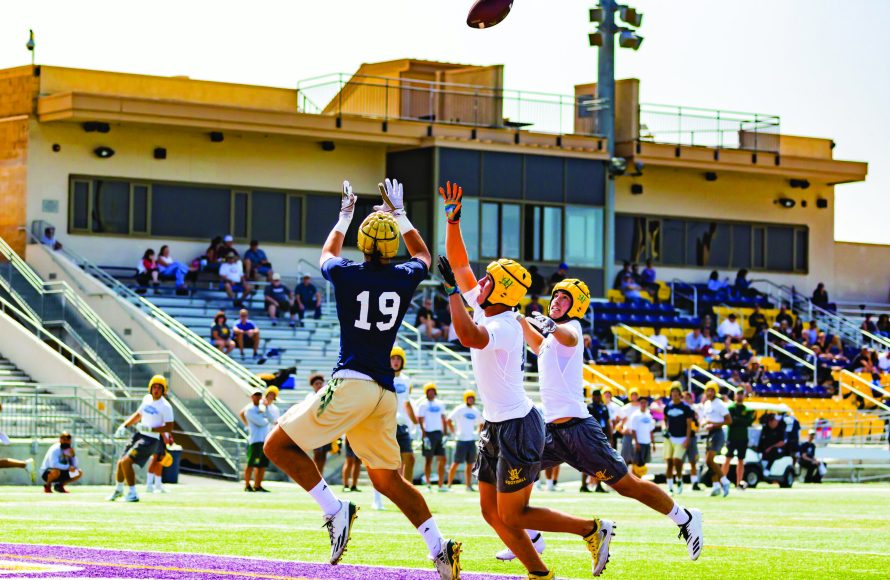
A 7 on 7 football game typically lasts between 40 and 60 minutes, depending on the specific rules of the league or tournament.
Ever wondered how long a quick, exciting game of 7 on 7 football actually takes? You’re not alone! Many people are curious about the timing, especially when planning practice or attending an event. The duration can vary, but we can certainly give you a good idea of what to expect.
Figuring out how long is a 7 on 7 football game is simpler than you think. The time primarily depends on the age group playing and the specific rules implemented. These games are often shorter than traditional football, making them perfect for skill development and faster action.

How Long is a 7 on 7 Football Game?
So, you’re curious about how long a 7 on 7 football game lasts? That’s a great question! Unlike regular tackle football, 7 on 7 is a faster-paced, passing-focused game. It’s played with fewer players and often has different time rules. The length can change depending on several factors, and we will explore all of them in this article. Let’s dive in and explore everything you need to know about the timing of these exciting games!
Understanding the Basics of 7 on 7 Football
Before we talk about game length, let’s get a handle on what 7 on 7 football actually is. It’s like a trimmed-down version of the traditional game. Instead of 11 players on the field, each team has seven. This format is perfect for practicing passing skills and game strategy without the full contact of tackle football. Think of it as a high-energy way to develop quarterbacks, receivers, and defensive backs. This variation often takes place during the off season and during the regular season.
Key Differences from Traditional Football
No Tackling: One of the biggest differences is that there’s no tackling. Instead, a player is down when a defender touches them with one hand. This keeps players safer and allows for more focus on passing and catching.
Smaller Field: 7 on 7 fields are often smaller than regular football fields. This means the game is quicker and moves at a faster pace. You’ll see plays unfold rapidly!
Focus on Passing: Since there’s no run blocking or running game, 7 on 7 emphasizes passing plays. This makes it great for quarterbacks and receivers to develop their talents.
Factors Affecting Game Length
Okay, so how long are these games? There isn’t one single answer. Here are the major things that affect how long a 7 on 7 game will be:
League Rules
The most significant influence on game time is the league or tournament rules. Different leagues have different guidelines. Here are some examples:
High School Leagues: Games at the high school level typically have longer quarters, sometimes around 20-25 minutes with a running clock, making the game last around 60 minutes to 1 hour 30 minutes.
Youth Leagues: Younger players often play shorter games, with quarters around 12-15 minutes.
Tournament Play: Tournaments can have various timing rules, including shorter halves to fit in more games in a day. A tournament game could last 30 to 50 minutes.
Running Clock vs. Stop Clock
The type of clock used has a big impact on how long the game lasts.
Running Clock: In this format, the game clock keeps running even when the ball goes out of bounds or after an incomplete pass, except for timeouts and injuries. This makes games shorter and ensures the game doesn’t drag on too long. Many 7 on 7 games use a running clock to keep the schedule on track.
Stop Clock: In this format, the clock stops after each incomplete pass, play that goes out of bounds, a penalty or change of possession. This makes games longer, as there are more breaks in the timing. The stop clock method is more frequently used in tackle football rather than 7 on 7.
Number of Halves or Quarters
The number of periods in a game also changes how long the game lasts.
Halves: Some leagues might divide games into two halves. Each half will be longer than a quarter.
Quarters: Most 7 on 7 games have four quarters, similar to traditional football. Each quarter is typically shorter than in tackle football.
Timeouts and Breaks
The number of timeouts and the length of breaks affect game time.
Timeouts: More timeouts mean more pauses and a longer game.
Halftime Break: The length of halftime can differ, and longer breaks increase the game’s total time.
Overtime Rules
If games end in a tie, overtime rules can add extra time.
Specific Rules: Overtime rules can vary among leagues. Some leagues use one extra possession, while others might use sudden-death rules, where the first team to score wins.
Typical 7 on 7 Game Length Scenarios
While specific rules vary greatly, let’s look at some typical game length scenarios:
Example 1: High School League Game
Clock Type: Running Clock
Number of Quarters: 2 Halves
Quarter Length: 20 minutes
Typical Game Length: 40-50 minutes of playing time. With breaks, the total time may be between 1 hour to 1 hour 30 minutes.
Example 2: Youth League Game
Clock Type: Running Clock
Number of Quarters: 4 Quarters
Quarter Length: 15 minutes
Typical Game Length: 60 minutes of playing time. With breaks, the total time may be around 1 hour 15 minutes.
Example 3: Tournament Game
Clock Type: Running Clock
Number of Halves: 2 Halves
Half Length: 20 minutes
Typical Game Length: 40 minutes of playing time. With breaks, the total time may be around 1 hour.
How to Find Out Specific Game Length
Because rules can be different from league to league and tournament to tournament, it’s always best to find the specific rules ahead of time. Here’s how you can do that:
Check the League Website: Most leagues have their rules posted on their website. Look for a rule book or a section that describes game length and timing.
Ask the Coach or Organizer: If you can’t find the information online, just ask your coach or the tournament organizer. They will have the most precise information on the game length.
Attend a Pre-Game Meeting: Tournaments often have meetings before the games where they explain the rules. This is a great time to ask questions about game length.
Look at Printed Schedules: Schedules often indicate the game length.
Look at official Social Media: official social media of the tournament or league is a great place to look for this information
The Pace of 7 on 7 Games
Beyond the actual time, the pace of 7 on 7 football also affects how a game feels. Here are a few things that make 7 on 7 fast and exciting:
Fast-Paced Plays: Because there’s no running game, the action is centered on passing. Plays happen quickly, keeping the game moving along.
Frequent Changes of Possession: Since there’s no kicking game, changes of possession happen fast after a touchdown. This keeps everyone involved in the game.
Quick Scoring: Because the field is smaller and players are focused on passing, scoring happens quite often. This creates an energetic environment that players and viewers love.
Strategies for Managing Game Time
Even though 7 on 7 is fast-paced, teams need to know how to manage time.
Timeouts: Teams can use timeouts to stop the clock when they need a break or want to plan a play. Understanding how many timeouts are available is very important.
Strategic Play Calling: Coaches need to think about how much time each play might take. They need to be smart about using short plays to manage the clock or pass further downfield if time is needed.
Efficient Substitutions: To make the best use of game time, teams need to substitute players quickly. It’s crucial to make sure the right players are on the field at the right moment.
Why Understanding Game Length is Important
Knowing how long a 7 on 7 game lasts is important for everyone involved:
Players: It helps them know how to manage their energy and plan for breaks.
Coaches: They need to know the time to plan their strategy.
Spectators: It helps them arrange their schedule to watch the game.
Parents: Knowing the game time helps with planning transportation and other logistics.
Understanding the length of the game ensures that everyone is ready and enjoys the fast-paced environment of 7 on 7 football.
In conclusion, the duration of a 7 on 7 football game isn’t a fixed number. It depends on a mix of factors such as league rules, clock style, the number of halves or quarters, timeouts, and breaks. A typical game could range anywhere from 30 minutes to over an hour. Always check with the specific league or tournament organizers to know the exact rules and timings for a particular match. This way, everyone—players, coaches, and spectators—can properly prepare and enjoy the exciting and fast-paced nature of 7 on 7 football.
How to Play 7-on-7 Football
Final Thoughts
A 7 on 7 football game’s length varies. Typically, games last for 20-40 minutes. Several factors influence total playtime. These include the number of teams involved, and the rules followed.
Game time usually consists of one or two 20-minute halves. Some leagues use a running clock. Timeouts also add to a game’s duration.
So, how long is a 7 on 7 football game? It really depends on these specific conditions. This type of football provides fast-paced action.

