
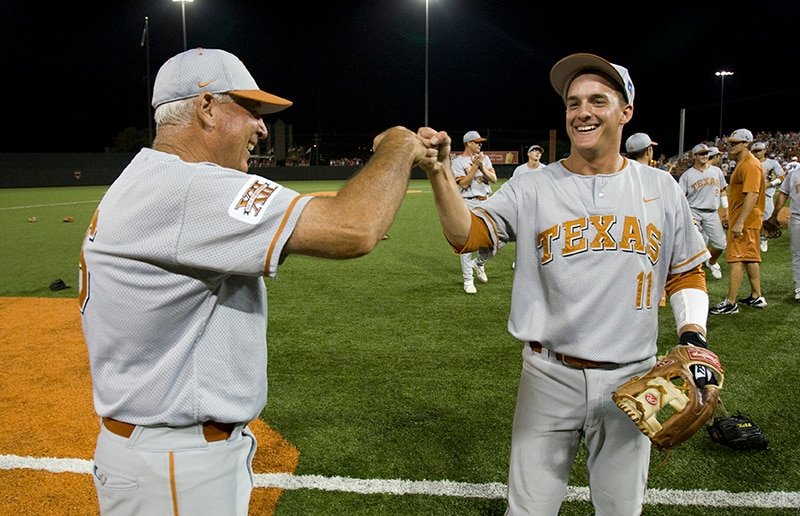
College baseball games typically last around three hours.
Ever wondered about the time commitment when heading to a college baseball game? It’s a common question: how long is a college baseball game? Unlike some sports with fixed time limits, baseball has its own unique flow.
The duration of a game can vary, depending on several factors. Extra innings, pitching changes, and even weather delays can all influence the final length. But knowing a typical timeframe can help you plan your day.

How Long is a College Baseball Game?
College baseball games, just like their professional counterparts, don’t have a set time limit. Instead, they go on until one team wins. But, you might be wondering, “About how long does a typical college baseball game last?” Well, the answer isn’t always the same, and several things can change the length of a game. Let’s dive into the details.
The Standard Nine Innings
The heart of a college baseball game is the nine innings. Each inning is a mini-game within the bigger game. During an inning, each team gets a turn at bat. They try to score as many runs as they can. After one team has had their turn at bat, the other team gets their chance. This back-and-forth continues until both teams have played their turns for nine full innings. However, this is just the start. This is the standard, but it doesn’t always mean the game will end after nine innings.
Factors Affecting Game Length
Several things can impact how long a college baseball game takes. These factors can either speed up a game or make it last longer. Let’s explore some of them:
- Pace of Play: Some teams play at a quicker pace than others. If both teams are swinging early in counts and pitchers are quick to deliver pitches, the game will likely move faster. On the flip side, if teams have batters who take their time between pitches or pitchers who make many trips to the mound, the game can drag out.
- Pitching Changes: Changing pitchers takes time. Each pitching change requires a walk from the bullpen, some warm-up pitches, and any mound visits from the coach. More pitching changes during a game can add time.
- Offensive Output: Games with lots of hits, runs, and base running tend to be longer. When teams are constantly on base or scoring, the game’s pace slows down. Walks and stolen bases also add to the time the game takes.
- Extra Innings: If the score is tied after nine innings, the teams play extra innings until one team wins. Extra innings add more time to the game and are very exciting for fans!
- Weather Delays: Rain, lightning, or other weather issues can stop the game. The game will start back up when the weather is safe, adding extra time to the overall game length.
- Injuries: If a player gets hurt during the game, there can be a delay while they receive treatment. If there’s a bad injury, the delay could be significant.
- Challenges and Reviews: College baseball has video review in some instances to make sure calls are correct. If a coach asks for a review, it will add some time to the game.
Average Time for a College Baseball Game
While it’s impossible to say exactly how long a game will last, we can look at some average times. Generally, a college baseball game will take about 3 hours. It can range from about two and a half hours to up to four hours or even longer. Most games fit somewhere within this window.
Typical Game Duration Breakdown
Here’s a general breakdown of what contributes to the time of a college baseball game:
- Typical Nine Innings Game: Most nine-inning college baseball games average around 3 hours.
- Faster-Paced Games: Games with quick pitching, few hits, and minimal breaks can sometimes be finished in under 2 and a half hours.
- Slower-Paced Games: Games with lots of scoring, many pitching changes, and longer breaks, might take 3 and a half hours, or more.
- Extra Inning Games: An extra-inning game can quickly add a half hour, or more, to a game’s length.
How Time is Managed During the Game
Baseball is not played to a game clock like basketball or football. There are no time-outs for each team like in some sports. Instead, time continues to flow throughout the entire game. Umpires manage the game, trying to keep play moving. They can encourage pitchers to throw quicker and discourage too much time wasted between pitches. The pace of the game largely relies on the players, coaches, and umpires working together to keep things moving.
The Impact of Rules on Game Length
Baseball’s rules can have a big effect on how long a game takes. While college baseball mostly follows the same rules as professional baseball, there are some minor differences that can come into play. One important thing is that the rules don’t specify exactly how much time can be taken between pitches. However, things like pitching changes, player substitutions, mound visits, and challenges do make a difference in the time it takes to play a game.
Differences Between College and MLB Game Length
College baseball games tend to be slightly shorter, on average than professional MLB games. There are a few main reasons why:
- MLB’s Pace-of-Play Initiatives: MLB has put rules in place to make games move faster. College baseball hasn’t enforced those same time restrictions as strictly, so you may see more variance in the pace.
- Fewer Pitching Changes: College teams often don’t have as many pitchers as MLB teams. This means there may be fewer pitching changes, which keeps the game moving quicker.
- Experience Level: MLB players are often more experienced at working through games. Their experience in pace can help move games along faster.
Understanding the Game’s Flow
When watching a college baseball game, it’s interesting to see how the game flows. You will see there are moments of fast action when the ball is in play and teams are scoring. There are also moments where the pace is slower, such as between pitches, or when there are substitutions. This ebb and flow is a normal part of the game and keeps the fans on their toes.
Analyzing a Typical Inning
Let’s take a look at what can happen during a typical inning that could make it longer or shorter:
- Quick Innings: A quick inning might consist of just three batters getting out without anyone getting on base. These innings usually take only a few minutes.
- Longer Innings: On the other hand, a longer inning could have many hits, walks, and stolen bases. A series of hits and runners on base can keep the inning going for a longer period of time.
- Factors at Play: Sometimes a pitcher is in a zone and gets batters out quickly, making for a short inning. Sometimes batters are seeing the ball well and they keep getting on base, making for a longer inning.
The Impact of Game Situations
The game situation also can have a direct effect on the time it takes for the game to conclude. For example:
- Late-Game Pressure: Late in close games, teams are often more careful and deliberate, often leading to longer innings as every pitch and play becomes important.
- Big Lead: If one team has a large lead, the game might speed up a little. The team with a lead might be willing to get outs quickly, and the losing team might lose some of its energy.
- Ties and Extra Innings: When the game is tied in the final innings, you can usually expect the game to slow down as every run becomes very crucial.
Tips for Enjoying a College Baseball Game
Knowing that college baseball games can last a few hours, here are some tips to make your experience as enjoyable as possible:
- Plan Your Time: If you are going to watch a college baseball game, plan to stay for at least three hours. If it’s a close game, there is a good chance it may be longer than this.
- Stay Hydrated: Games can take place on sunny days. Make sure you drink plenty of water or other drinks during the game to stay hydrated.
- Bring Snacks: Having some snacks to enjoy during the game can help pass the time. Most venues allow snacks into the stadium.
- Relax and Enjoy: Baseball is a game of patience, so relax and enjoy the ebb and flow of the game.
- Bring a Friend: Going with a friend, family member or fellow fan can make the time fly by!
Watching a college baseball game is a unique experience. Games can vary in length based on many factors. It is interesting to see how everything can impact the amount of time a baseball game can take. The next time you go to a college baseball game you can be more prepared for what to expect, and know that it is all part of the experience.
College baseball games, while not timed in the traditional sense, offer a unique blend of strategy, athleticism, and unpredictable durations. Knowing the factors that influence game length can help fans and newcomers alike appreciate the game better. Remember, the beauty of baseball lies not in its rigid time structure but in its ever-changing pace and potential for the unexpected. So, when you settle in to watch a college baseball game, be prepared for a great experience and enjoy the ride.
Are YOU good enough for COLLEGE BASEBALL in 2022? EV/Sprint/Velo Benchmarks
Final Thoughts
Typically, a college baseball game lasts around three hours. However, the actual time fluctuates based on factors like pitching changes and extra innings. These elements can noticeably extend the game’s duration.
Therefore, accurately predicting a specific end time proves difficult. Still, knowing the average duration helps with planning. Consider this information when heading to the ballpark.
So, to answer the question of ‘how long is a college baseball game’, plan for approximately three hours, with the possibility of it being shorter or longer. This is the typical time.

