
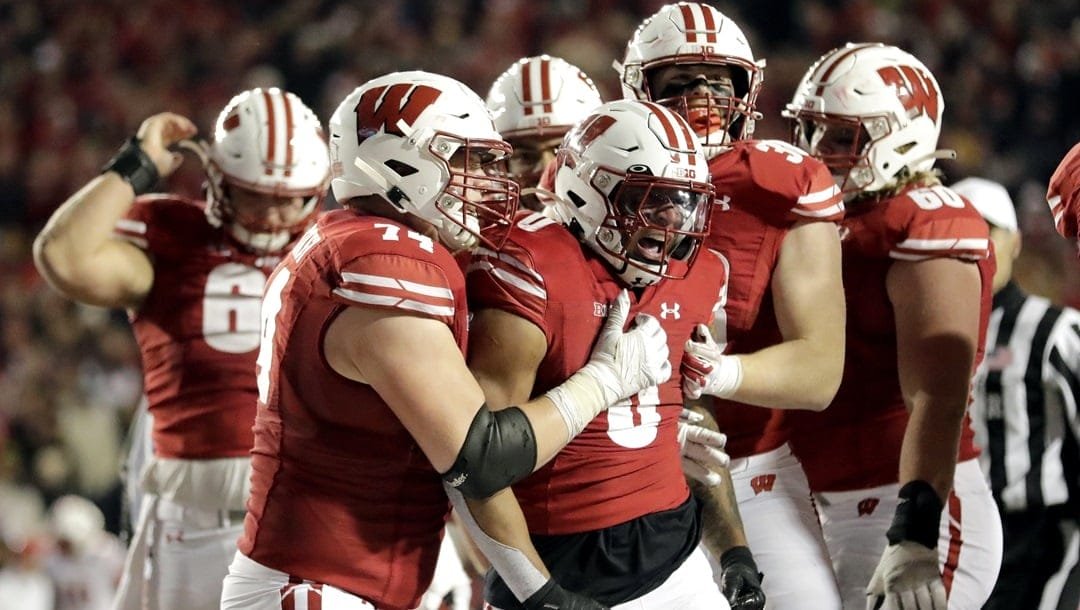
A college football game typically lasts around 3 hours, plus or minus a bit, depending on game flow and stoppages.
Ever found yourself wondering, how long is a football game college? It’s a common question for new fans and those just trying to plan their weekend around the games.
The actual playing time is much shorter than the total time you spend at the stadium or watching on TV because of breaks. There are timeouts, quarter changes, and of course, halftime that all contribute.

How Long is a Football Game College?
Have you ever wondered how long a college football game actually lasts? It’s not as simple as just 60 minutes on the clock! Let’s dive into all the exciting parts that make up the total time of a college football game, and you’ll soon see why it can take a whole afternoon to watch one.
The Basics: 60 Minutes of Play
At its heart, a college football game is divided into four quarters, each 15 minutes long. So, if the clock just kept running without stopping, a game would indeed take 60 minutes of actual playing time. Think of it like four mini-games put together. But, that’s where the similarities end between 60 minutes of playing and total time of a game. College football, like most other sports, has stoppages.
The Four Quarters
Each of these 15-minute segments is packed with action, from touchdowns and tackles to impressive passes and field goals. The team with the most points at the end of the four quarters is the winner. Seems simple, right? Well, those 15 minutes can sometimes feel much longer because of… you guessed it… stoppages!
Halftime Break
Between the second and third quarters, there’s a longer break known as halftime. This break is usually about 20 minutes long. It gives the players time to rest, coaches time to strategize, and fans time to grab some snacks or stretch their legs. Halftime is essential to the game; it re-energizes the players and audience and also provides time for team to regroup and plan for the second half.
Why Games Take Longer Than 60 Minutes: Understanding Stoppages
The 60 minutes on the clock is actual playing time, but a lot goes on to extend the total game time. Several things cause the clock to stop, and these are essential to know if you want to have a clear grasp of how long the game could potentially last. Let’s check them out.
Out of Bounds
Whenever a player with the ball runs out of bounds, the clock stops. This is to make sure the game is fair and that the ball isn’t run out of play continuously to wind down the clock. The clock starts again when the ball is legally put back in play. These small stoppages can add up over the course of the game.
Incomplete Passes
If a player throws a pass but it doesn’t reach a teammate’s hands, it’s an incomplete pass. The clock stops during an incomplete pass, and will start again after the next play begins. This helps keep a better pace and make sure it’s not too easy for teams to run out the clock without making any plays.
Penalties
If a team breaks a rule, a penalty is called by referees. There are so many penalties in football, from holding to pass interference. When this happens, play stops, and the clock is also stopped until the penalty is sorted. The referee will explain what happened, move the ball depending on the infraction, and then the play will resume. These penalties can stop the clock, often for a good while, which makes games a lot longer than the 60 minutes of actual playtime.
Injuries
Player safety is always the number one priority. If a player gets hurt on the field, the clock stops. This allows medical staff to attend to the player and make sure they’re okay. The clock restarts when the player has been attended to and either taken off the field or is ready to play. While these breaks are absolutely important, they do also add to the overall game time.
Timeouts
Each team gets a certain number of timeouts, usually three per half. These timeouts allow coaches to talk with their players and plan strategies or they could be used simply to stop the clock. This usually happens when a team is running out of time and needs to score quickly. Timouts make a big difference in the last minutes of games and also add to the game’s total time.
Change of Possession
Whenever the ball changes teams, like when there’s a turnover, the clock can stop for a short time, so referees can correctly set the position of the ball. Though this doesn’t stop the game for long, it does add a little bit of time to the overall time of the game.
Television Commercial Breaks
Like it or not, TV commercials are a part of the game! These breaks happen at specific times in the game, usually after important plays, during timeouts, or at the end of a quarter. Though we might not enjoy watching commercials, they are a way for broadcasters to earn money and pay for these games. These breaks usually add a lot to the total game time.
Average Length of a College Football Game
Taking all those stoppages into account, the average college football game usually takes about 3 to 3.5 hours to finish. That’s much longer than the 60 minutes of play! Some games can be even shorter if there are few penalties and/or other stoppages; others, like when there are several injuries or very long timeouts, can go way over 3.5 hours. So, if you’re planning on going to a game, it’s a good idea to plan for a whole afternoon or even part of an evening.
Factors Influencing Game Length
It’s important to know what might influence how long a game takes. Here’s a quick rundown:
- Number of Penalties: Games with many penalties will take longer because of clock stoppages.
- Number of Incomplete Passes: A lot of incomplete passes can stop the clock often and make the game last longer.
- Overtime: If the score is tied after the four quarters, the game goes into overtime, making the overall game time increase.
- Television Broadcast: Games on TV might have more stoppages for commercials, which also makes them longer.
- Number of Injuries: If a lot of players get hurt, the time to take care of them will stop the clock.
Game Clock vs Real Time
It’s interesting to note the difference between the game clock and real time. The game clock runs for 60 minutes during the play, with all of the other stoppages we discussed earlier. The real time is how long we, the people watching, see the game going on. The total length of time we see the game play is how long the game is actually taking in our world.
How Does College Football Compare to the NFL?
You might be wondering how college football compares to the pros. NFL games, the professional league, also have four 15-minute quarters, but there are some key differences.
NFL Stoppages
NFL games generally have similar stoppages as college games, but there are a few variations. The biggest one is that NFL games tend to have a lot more television timeouts. NFL games are a big business, so they need those commercial breaks. This is why the total game time is a lot longer than the actual time played on the field.
Average NFL Game Length
On average, an NFL game can last about 3 to 3.5 hours, sometimes longer, but generally much longer than college football. The big reason is, again, those television commercials, they can add a lot of minutes to the total game time.
Key Differences in Time
Here’s a quick comparison table:
| Aspect | College Football | NFL Football |
|---|---|---|
| Quarter Length | 15 minutes | 15 minutes |
| Average Game Length | 3 – 3.5 hours | 3 – 3.5+ hours |
| Commercials | Fewer | More |
| Overtime Rules | Different Format | Different Format |
What to Expect When Attending a College Football Game
Now that you know how long a college football game lasts, it’s good to be ready for a game day experience. Here are some things to think about:
Plan Your Time Accordingly
Since games can take about 3 to 3.5 hours or even more, plan to spend the entire afternoon or even an evening at the game. This includes travel time to and from the stadium and the time it takes to get to your seat and any time you might spend tailgating before the game begins.
Stay Hydrated and Fed
Being outside for 3 to 4 hours is a long time, so bring water and any snacks you might want to eat. Also remember that stadiums will sell food and drinks as well. So, bring your money!
Wear Comfortable Clothing
College games are usually played outside. So, dress appropriately for the weather. Wear comfortable shoes, because you may be doing a lot of walking around, to the stadium and inside it. If it is cold outside, put on layers to stay warm, and if it’s hot, wear sunscreen and a hat.
Enjoy the Atmosphere
Going to a game isn’t just about the football; it’s about the whole experience. There will be lots of fans cheering, and it’s fun to join in on the excitement! Make some friends and cheer for your favorite team. And don’t forget to be respectful towards all people while you’re having fun.
So, while the actual playing time in a college football game is 60 minutes, the total time can vary, usually clocking in around 3 to 3.5 hours. Now you know what to expect next time you watch one! The extra time is due to many things like stoppages, injuries, timeouts, and of course, those television commercials. Remember this information the next time you plan on watching a game, either in person or on TV!
Ohio State Buckeyes vs Texas Longhorns PREDICTION & Preview | College Football Playoff, Cotton Bowl
Final Thoughts
A standard college football game lasts approximately three hours. This duration includes four 15-minute quarters, with a halftime intermission. Timeouts, penalties, and television breaks extend the overall game time.
So, how long is a football game college? While the official playing time is 60 minutes, the actual elapsed time typically spans around three hours. This is a key detail to remember when planning your game day.

