
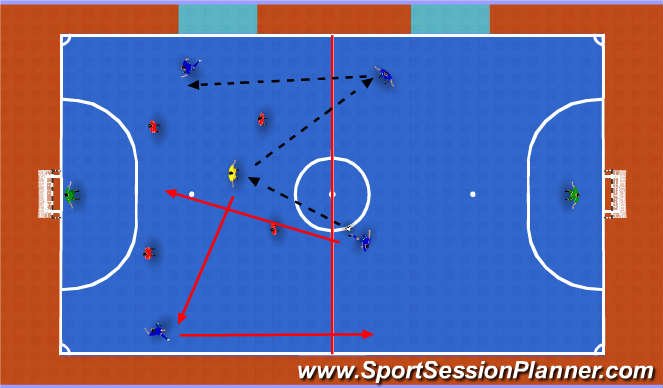
A standard futsal game lasts for 40 minutes, divided into two 20-minute halves.
Ever wondered about the quick pace and dynamic action of futsal? One question that often comes up is, ‘how long is a futsal game’? It’s a common curiosity for both new fans and players alike.
The game features a unique clock setup. This setup ensures the matches are fast-paced. We will break down the time components of a typical match.

How Long is a Futsal Game?
Okay, let’s dive into the exciting world of futsal! You might be wondering, “Just how much time do I need to set aside to watch or play a game?” Well, it’s not quite as long as a full-field soccer match, which is good news for those with busy schedules or shorter attention spans! The answer is that a standard futsal game is typically shorter and more action-packed. Let’s break down the time elements to help you understand it all.
The Standard Futsal Game Length
The international standard for a futsal game, governed by FIFA, is two halves of 20 minutes each. This is not ‘running time’ like in basketball. Instead, the clock stops each time the ball goes out of play or when there’s a foul. This makes the game clock more of a reflection of actual playing time. Think of it like a mini-soccer game with a stop-start clock, which means the game can actually take longer than 40 minutes.
What Makes the Clock Stop in Futsal?
So, when exactly does the clock stop? Here’s a quick rundown:
- Ball Out of Play: When the ball crosses a sideline or end line. This includes if the ball goes into the net or not.
- Fouls: If a referee calls a foul, the clock stops. This includes handballs, tripping and other violations.
- Time Outs: Each team has one one-minute timeout per half. The clock stops during these breaks.
- Injuries: If a player is hurt the referee will stop the clock to allow the injured person to get help.
Because of these stoppages, a 40-minute futsal game can take closer to 50 or 60 minutes, or even longer in some cases.
Halftime Break in Futsal
Just like in many other sports, there’s a break between the two halves of a futsal match. Typically, this halftime is 15 minutes long. This gives the players a chance to rest, get some water, and hear any important messages from their coach. Halftime gives the teams a time to regroup.
Variations in Game Length
While the standard for a FIFA-sanctioned game is 20-minute halves, futsal isn’t always played under those precise rules. Here’s where things can change a little:
Youth Futsal Games
When young kids play futsal, the game length is usually shortened to keep it more manageable. Games might be shortened to accommodate shorter attention spans and less endurance. Often, you’ll see games with halves of 15 minutes, or even less for very young players. This allows for more action and less fatigue during these games.
- Younger Kids (U7-U9): 2 x 12 minutes halves is possible.
- Older Kids (U10-U12): 2 x 15 minute halves are common.
- Teenagers (U13-U16): Usually 2 x 20 minutes halves are seen.
Friendly Futsal Matches
When you play a casual game with your friends, the game duration can be anything you all agree to. You might play for 30 minutes straight, do two 15-minute halves, or even go until one team scores a certain number of goals. It is up to you and your friends.
Futsal Tournaments
Tournaments often have special rules, and those rules may involve different game lengths. The organizers might have shortened games to accommodate many matches in a short period. You’ll want to pay attention to the specific rules of your futsal tournament. If you are a coach, you must communicate this to your team.
Factors Affecting Total Game Time
Several things can influence the final length of a futsal game:
- Number of fouls: Lots of fouls will cause the game to go longer.
- Injuries: Injuries that require attention will add time.
- Timeouts taken: Each team has 1 timeout that is about one minute long.
- Referee Style: Some referees might be more strict than others and therefore cause more stoppages.
- Level of Competition: Sometimes high-level or crucial games have longer delays.
Why the Stop-Clock is Important in Futsal
The stop-clock method is an important part of futsal’s character. It means the game focuses on time in the game, not the clock on the wall. A futsal game is an action-packed, quick-paced contest and the clock that stops allows for more game play.
Fairness in Game Time
By stopping the clock whenever the ball is out of play, futsal ensures that the game time is fair and everyone gets the same chance to play. In a running clock sport, teams can waste time and cause frustration. The stop clock is important for fairness of the game, not for time management of the day.
Strategic Depth
The stop-clock adds a layer of strategy to the game. Coaches must understand how to use this to their advantage. By strategic play, you might run the clock down during certain points of the game. The stop-clock can cause both tension and excitement to the game.
Comparison with Soccer Game Length
Futsal is sometimes called “indoor soccer,” but the game durations are quite different. Let’s see how they stack up:
| Feature | Futsal | Soccer |
|---|---|---|
| Standard Half Length | 20 minutes (stop-clock) | 45 minutes (running clock) |
| Halftime | 15 minutes | 15 minutes |
| Total Game Time | Approximately 50-60 minutes | Approximately 90+ minutes |
| Clock Type | Stop-clock | Running clock |
As you can see, futsal games are shorter and more intense than soccer games. This makes them a fast-paced game for both the players and fans.
The Impact of Futsal Game Length
The shorter game length of futsal provides many benefits for everyone who loves playing or watching. Here are some of those impacts:
For Players
- Less Stamina Needed: The shorter game times mean players don’t need to have the same stamina as soccer.
- Faster-Paced Action: Players always have to stay alert as they have less time to respond.
- More Game Time in a Shorter Period: Many tournaments can happen in a shorter time frame due to game length.
For Fans
- Easy to Watch: Shorter games are great for people who don’t want to commit a lot of time.
- Non-Stop Entertainment: The stop clock provides non-stop entertainment and more exciting moments.
- More Games Possible: Tournaments can pack more games into the day, offering fans a diverse experience.
Key Takeaways About Futsal Game Length
To sum it all up, let’s look at the most important points about how long a futsal game is:
- A standard futsal game is 2 halves of 20 minutes each, using a stop-clock.
- Halftime is typically 15 minutes long.
- Youth games often have shorter halves.
- The total time of a futsal game can vary depending on fouls, injuries and time outs.
- Futsal games are much shorter than traditional soccer games.
- The stop clock ensures fair and exciting play for the players and fans.
So, next time you are getting ready to watch or play a futsal game, remember these points. Futsal is a fantastic sport that is filled with fast-paced action and strategy. The shorter games make it accessible and enjoyable for both players and fans of all ages.
The Rules of Futsal (Futsala) – EXPLAINED!
Final Thoughts
A futsal match runs for 40 minutes, split into two 20-minute halves. There’s a 15-minute break in between. This makes the total playing time shorter than a typical soccer game.
The game clock stops whenever the ball goes out of play. This makes the match time very different from running clock sports. Therefore, the actual time spent in a futsal game can be longer.
So, remember when asking ‘how long is a futsal game’, it’s 40 minutes of active play, but the total duration can extend with stoppages. Understanding this is important for both players and fans.

