
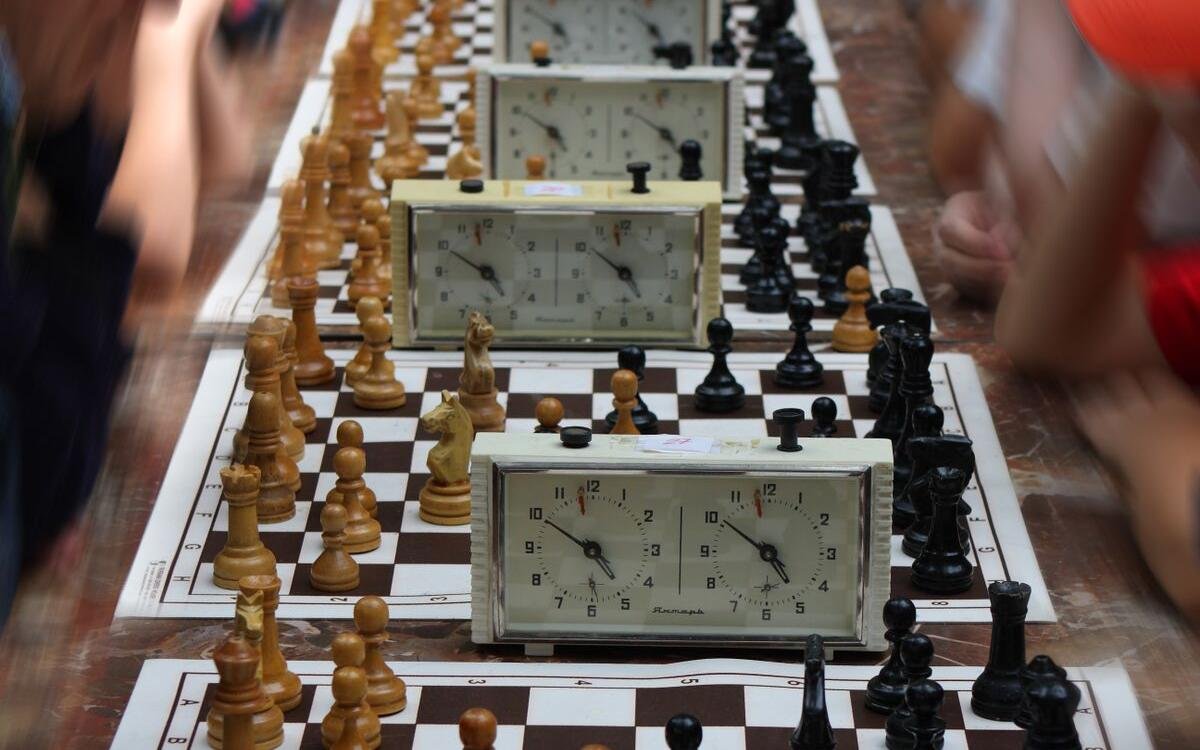
A game of chess can last from a few minutes to several hours, depending on the players’ skill and the time controls used.
Ever wondered how long a single chess match might take? The answer to “how long is a game of chess” isn’t straightforward, as it varies significantly. Some games finish quickly due to early checkmates.
Others can become drawn-out strategic battles demanding hours of careful thought. This variability stems from the time control system, and individual player’s speed of play.

How Long is a Game of Chess?
So, you’re curious about how long a game of chess actually takes? That’s a great question! Unlike some games with set times, chess can vary quite a bit. The length of a chess game depends on several things. Let’s explore all those interesting factors that affect the duration of a match.
The Basics: What Affects Game Length
At its heart, chess is a battle of strategy and planning. There isn’t a single, universal clock ticking down for every match. Instead, several aspects work together to determine how long it takes to reach a checkmate (or a draw). Here’s a breakdown of those factors:
Time Controls: The Biggest Factor
The most significant factor impacting how long a chess game lasts is the “time control.” Think of it as a set of rules that dictate how much thinking time each player gets. Different time controls create very different game lengths. Here are a few common types:
- Bullet Chess: This is the fastest type of chess. Players often only have one or two minutes to make all their moves! Games can end in just a few minutes. Imagine trying to think and move quickly while a clock is ticking down!
- Blitz Chess: Blitz chess gives players a bit more time than bullet, typically three to ten minutes each. This allows for some thinking, but it still requires quick reactions. A game of blitz can last between five and twenty minutes.
- Rapid Chess: With time limits between 10 and 60 minutes per player, rapid chess allows more time for strategic thinking. These games will often go between 20 minutes to 1 hour or even more. This is a good balance between speed and planning.
- Classical Chess: Classical chess is the longest time format, often allowing one hour or more per player. Games can last several hours and test a player’s patience, focus, and endurance. Sometimes, a game can even take several days if it’s broken up into multiple sessions.
The time control is the main thing that changes game length so it is important to know what time limit is being used for a particular match. Think of it like this; a race car needs to be fast, while a truck needs to be strong; each is different for a specific purpose.
Player Skill: How Experience Changes Things
The skill level of the players also plays a large part in the game’s duration. A game between two highly skilled players is often longer. This happens because skilled players are very careful. They think ahead many steps and avoid big mistakes. So, they take more time on each move. They analyze each position very carefully. On the other hand, beginners or less experienced players might make mistakes faster. This can lead to quick checkmates or losses, shortening the game. The experience level of the players makes a difference in the duration of the game.
The Complexity of the Game: How Moves Intertwine
Chess games are dynamic. Each move affects what happens next. Some games will be very simple, and others will become complex. A game can finish faster if one player makes a big mistake and has no way to win. This is a very direct game, and it won’t last very long. However, if the players take their time and are equally strong, the game might have many moves, leading to a longer match. Complex positions with many possible moves usually lead to longer thinking time for each player, extending the game. A very complex game can last much longer than a simple one.
Draws and Resignations: When Games End Early
Not every chess game ends with a checkmate. A game can also finish early in several other ways. One way is a draw. There are different ways to reach a draw. For example, if the same position occurs three times the game is over. If 50 moves happen in a row without a pawn being moved or a piece being captured, it’s also a draw. Also, if neither player can make a checkmate, it is a draw. Sometimes a player can see that they have no chance to win, they can choose to resign and end the game early. So, games don’t always need to reach checkmate to end. Draws and resignations affect the length of the game.
Typical Time Frames for a Chess Match
Now that we know what can influence game length, let’s look at some typical time frames for games at different time controls:
Bullet Chess: Lightning Fast
As mentioned, bullet chess is the fastest time control. Games often conclude in a few minutes, typically between 1 and 3 minutes. The pace is so fast that players sometimes make quick moves just to avoid running out of time. This creates an exciting, often chaotic, game. It’s all about quick thinking and fast reactions.
Blitz Chess: A Bit More Time
With a few more minutes per player, blitz chess games offer more thinking time than bullet. The average blitz game lasts between 5 and 20 minutes. Players can still make quick decisions but have more time to think strategically. It’s a fun format that requires both quick thinking and good planning.
Rapid Chess: A Comfortable Pace
Rapid games are much longer than blitz, lasting on average 20 minutes to 1 hour. They give more time for thinking. Players have a good balance of time to think about their moves and their overall plan. Rapid chess is a good pace for most players.
Classical Chess: The Long Haul
Classical games can take several hours. They range from 1 hour to well over 5 hours. These games require a lot of planning. Players must think about their positions carefully and plan long-term strategies. They often use the whole time allocated to think before making the best move. Classical chess is the test of patience, strategy, and focus.
Online Chess: Variations and Considerations
Online chess platforms have made chess available to everyone. You can play with people all over the world. When you play online, it’s useful to consider these factors:
Time Control Options
Online platforms often provide a variety of time control options. You can play anything from bullet games to long classical matches. These options give everyone a chance to play the game the way they prefer. So, no matter how much time you want to spend playing chess, you will find the option for you.
Clock Management
Online chess games have digital clocks, this is helpful. You can see exactly how much time you have left for the game. Managing your time carefully is a crucial part of playing online chess. You have to think strategically and quickly. These digital clocks allow you to do that. So, be sure to practice to get better at managing your time. Online clocks are an important tool for your success.
Internet Stability
A good internet connection is essential for online chess. If the internet becomes slow, the connection might get interrupted, this will affect the game. The connection can lag or disconnect. This can sometimes cause problems. You need a stable internet to play effectively. A stable internet will also prevent any frustration during the game.
Chess Clocks: The Tool that Measures Time
You may have seen these devices, a chess clock is an important tool. In real-life chess matches, players use clocks. These clocks keep track of the time each player uses. There are two kinds of clocks. Traditional analog clocks and digital clocks. Both clocks measure time for each player separately. When it is your turn to move, you press the button to stop your clock, and start the opponents clock. The clocks make sure that the game is being played under time controls.
Analog Clocks: The Classic Option
These are classic clocks with two faces and a button. When you make your move, you press your button to stop your clock. Then it is your opponent’s turn to play. Analog clocks are usually mechanical, but can be confusing to use if you have never used one before, but they do the work.
Digital Clocks: More Precise and Feature-Rich
Digital clocks have become more popular. These use digital displays to show time precisely. You can easily read how much time each player has left. These clocks also offer more features, such as time delay and increment. These settings make time management easier and more accurate.
Practical Tips to Manage Your Chess Game Time
Time management is vital in a chess game. Here are some useful tips to help you manage your game time more effectively:
- Know Your Time Control: Always check and be aware of your time limits. Knowing how much time you have is important. This will help you plan your game better.
- Don’t Rush Early: Don’t use all your time in the beginning of the game. You should focus on making solid moves. Try to not make moves too quickly or carelessly. Try to plan a strategy and make a plan.
- Look for Good Moves Quickly: As you play more, you will learn to spot good moves faster. Do not keep wasting time with bad moves. Learn to move pieces with confidence.
- Use Your Time Wisely: Use most time in important positions where strategy is needed. If a position is not complex, you do not need to think too long about it. Spend more time when you are making a complex plan.
- Practice with a Clock: Practice with the clock. This can help improve your time management skills. This will help you get better at playing quickly and make smart choices.
- Don’t Panic: If you are low on time don’t panic. Keep calm and do your best to make good moves. Panic will lead to making bad moves. Keep calm and make good moves.
By keeping these tips in mind you will surely become better at managing time in a chess game.
The Longest Chess Games in History
While most chess games don’t go on forever, some have become legendarily long. These games can last for a very long time. They may have several moves over many hours. Here are some facts about the longest chess games ever played.
Longest Chess Game by Moves
One of the longest games had 269 moves. This was at the 1989 game between Nikolić and Arsović. This game is one of the longest in chess history. This game is impressive because of its long duration. This shows how complex and strategic a game of chess can be.
The Record for Game Duration
Some chess games have taken days to complete. These games are often classical chess and played over several sessions. The longest games can often take 20 hours or more. This is how long it can take to finish a very long chess game.
What Makes These Games So Long?
Several factors make a game very long. The players are often very strong, which leads to many moves. If the game becomes very complex it will require a lot of time. Also, careful and deliberate players take more time on each move. All of this makes games very lengthy and complex.
Understanding the time it takes to play a chess game, from a few minutes for a bullet game to many hours for a classical game, is key to making chess enjoyable. Each type of game provides different challenges for every player. So, make sure that you understand what the time controls are for your next match.
What Is The Longest Possible Game Of Chess?
Final Thoughts
Ultimately, chess game durations vary significantly. Blitz games finish in minutes, while classical matches can last hours. Many factors, like player experience and time control settings, influence this.
Therefore, there is no fixed answer to the question of “how long is a game of chess”. The time involved in a chess game changes from one instance to another. Games can range from very quick to very long.

