
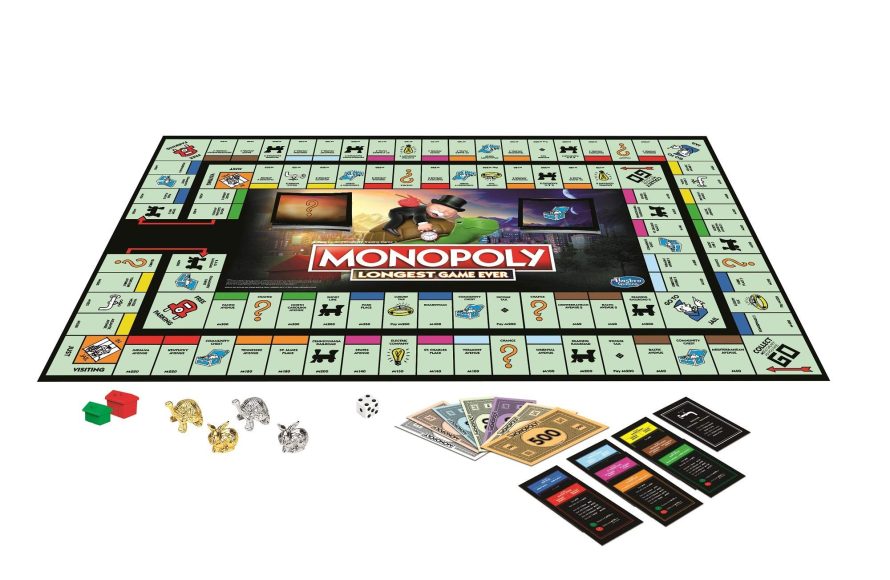
A standard game of Monopoly can last anywhere from 1 to 3 hours, but it can also extend much longer depending on player choices and luck.
Monopoly, the board game that can make or break friendships, is a classic for a reason. But a common question always arises: how long is a game of monopoly, really? It’s a fair question, considering you could end up playing for what feels like forever.
The game’s duration varies considerably. A quick game might wrap up in an hour. However, with a few experienced players, the trading and negotiating can easily stretch the game to two, three, or even more hours.

How Long is a Game of Monopoly?
Okay, let’s dive right into the heart of the matter: how long does a game of Monopoly actually take? It’s a question that’s probably sparked more family feuds and late-night arguments than almost any other board game. The short answer? It can vary wildly, but we’re here to explore all the reasons why. We’ll go way beyond a simple answer and look at all the fun factors that make Monopoly the epic time commitment it can be. So, buckle up, grab your top hat (or thimble!), and let’s figure this out.
The Standard Monopoly Game Time: A Starting Point
Officially, the instructions for a standard game of Monopoly suggest a playing time of around 60 to 90 minutes. Yes, you read that right! 60 to 90 minutes. Now, let’s be honest. When was the last time your game of Monopoly wrapped up in under an hour and a half? Probably never, right? The official estimate is often a far cry from the reality experienced by most players. This shorter time assumes a fairly fast pace of play, limited trading, and a degree of luck that might not always be on your side. In the real world, games commonly take much longer. Think of that 60-90 minute estimate as a starting point, a theoretical best case scenario, rather than a realistic expectation.
Factors That Affect Monopoly Game Length
Many different things can change how long a game of Monopoly lasts. Let’s look at some of the main ones:
The Number of Players
Just like more cooks in the kitchen can sometimes mean a longer meal preparation time, more players in Monopoly usually means a longer game. Each additional person adds more turns, more property to buy, more chances for trading and negotiations, and more potential for someone to land on your hotels! Here’s how the number of players typically impacts game time:
- 2 Players: A game with just two players tends to be the fastest, but it still can take some time. There are fewer transactions, but the trading market may be very limited, which can make it feel slower in that way.
- 3-4 Players: This is the most typical range, and games usually take a moderate length of time. The trading dynamic is more lively and there are more opportunities for monopolies to form.
- 5-6 Players: Games involving 5 or 6 players tend to take much longer, as each player’s turn increases the total game time considerably. More people also means more potential for someone to block your progress.
The Players’ Strategies
The way you and other people play the game dramatically affects how long it takes to finish. Some players are cautious, some are aggressive, and some just want to see the world burn. All of these play styles have an impact. Here’s how player strategies affect game time:
- Aggressive Trading: Players who actively try to trade and negotiate deals can move the game along more quickly. They aim to quickly complete their monopolies and develop properties, but it often also makes a more interesting game that will take a little more time.
- Cautious Players: People who are reluctant to trade or take risks can drag out a game. They may take more time to consider decisions, and also they might be more hesitant to commit to trades.
- The House Rule Fanatics: When people play with many house rules, this can drastically change how long the game takes. Some house rules slow things down, like adding money to free parking, which can keep everyone in the game for longer.
The Level of Player Focus
How focused people are during the game is a big factor. If everyone is really into the game and focused on making moves, the game should go faster. But if people are easily distracted or multi-tasking, you might be playing for days. Here’s how focus plays a role:
- Full Focus: When players pay attention to the game, turns happen quickly, and the game flows smoothly.
- Distractions: If players are chatting, using their phones, or doing other things, this can add a lot of time to the game.
Luck (and How it Affects Timing)
Sometimes, despite all strategies, luck plays a huge part in how fast a game moves. The roll of the dice and the draw of the chance and community chest cards can be unpredictable. Here’s how luck affects game length:
- Lucky Rolls: Players getting lucky with the dice can land on properties they want, build hotels quickly, and bankrupt other players faster, ending the game sooner.
- Unlucky Rolls: On the other hand, getting stuck in jail repeatedly or constantly landing on other people’s properties can cause some players to lose quickly, but it can make the game go on longer if no one player has enough assets to force everyone else out.
- Chance and Community Chest: Good cards like “Get out of Jail Free” or “Bank Error in your Favor” can help players get ahead, whereas “Go to Jail” or “Pay School Taxes” can slow them down, and some of them add to the time it takes to play.
House Rules and Deviations
Many people play Monopoly with their own rules, adding or changing rules from the official version. These can change the game and affect how long it takes to play.
- Free Parking: Some people add money to Free Parking, which adds extra time and money into the game. This can make it harder for players to get out, and it can extend the game.
- Auctioning Properties: Some people require auctions for all properties not purchased by the player that lands on them. This rule can slow down the game as people spend time bidding on properties.
- Starting Money: Some house rules change the amount of money players start with. A lower starting amount often makes the early game longer as everyone struggles for cash. A larger start can sometimes speed things up, but it can also lead to more frequent trading and longer games, if the increased value doesn’t speed up the pace of bankruptcies.
Typical Monopoly Game Durations: Real-World Estimates
Now, let’s move away from the official estimates and get into the more realistic times for a game of Monopoly. Based on real-world experiences, here are some typical durations you can expect:
Short Games
Sometimes, a game can finish pretty quickly. This usually happens if a player gets lucky and builds hotels fast or if another player gets stuck in a rut with bad luck.
- Under 2 Hours: These are rare but not impossible. Usually, a two-player game with a focus on rapid development can end within this time frame.
- Reasons for a Short Game: One player dominating early, quick bankruptcies, and very few complex trades
Average Games
Most games of Monopoly fall in this mid-range. Players take some time to develop their properties and interact with each other.
- 2 to 4 Hours: This is the typical game time for most Monopoly games with 3-4 players.
- The Standard Length: Games within this length usually include moderate trading and some variation in development among the players.
Long Games
Then there are the games that feel like they will go on forever. These games often involve a lot of trading, house rules that add extra steps, and very slow progress.
- 4+ Hours: It’s not unusual for a game of Monopoly with 5-6 players or with house rules to extend past four hours.
- Marathon Monopoly: These are the games that can sometimes last for several sittings, or end late at night, and make you wonder why you started in the first place!
Monopoly and the Perception of Time
It’s interesting how a game of Monopoly can make time feel so different. Two hours can feel like two minutes when you are on a roll, but if you are stuck in jail or bankrupt and waiting, it can feel like two days! Here’s why Monopoly has this strange effect on time perception:
- The Thrill of Success: When you’re building hotels, charging high rent, and seeing your opponents go bankrupt, time often seems to fly by.
- The Drag of Inaction: Conversely, when you are stuck in jail, continually landing on your opponent’s properties, or stuck in a cash crunch, the minutes can feel like hours.
- The Social Dynamics: The conversations, the deals, and the friendly (or not-so-friendly!) negotiations during a game of Monopoly all change how time seems to pass.
Tips for Managing Monopoly Game Length
If you’re tired of never-ending Monopoly games, here are some tips to help manage the game’s length and keep things moving along more quickly:
- Agree on a Time Limit: Before you even start the game, agree on a time limit to play. When the time limit is up, the player with the most assets wins the game. This can prevent really long games and help keep things moving.
- Play with Official Rules Only: Avoid adding a lot of house rules that can make the game longer. Stick to the basic official rules and keep the game more manageable.
- Encourage Fast Trading: Encourage all players to make quick decisions and try to trade actively. If everyone trades and negotiates, this can make it faster for everyone to get a monopoly.
- Limit the Time on Each Turn: It may sound harsh, but if players can make their moves quickly and within a certain time, this can also speed the game along, but this should be implemented with care, so that everyone still has fun!
- The “Mercy Rule” or “Get It Over With” Rule: You could add a rule that allows players to concede defeat if they are clearly losing, which helps avoid playing a game that has an obvious outcome.
Is it Worth the Time Commitment?
Despite the long game times, Monopoly remains a very popular board game around the world. It’s popular because it’s fun, it encourages competition, it tests your skills in negotiation, and it provides an opportunity for some good old fashioned family fun. The length of time a game of Monopoly takes can be frustrating, but it’s often also part of what makes it an experience that many people continue to enjoy. It teaches you about money, property, and sometimes the need to be ruthless in business!
Ultimately, the length of a Monopoly game is a variable thing. The best way to deal with the time is to go into the game knowing that it could take a long time, manage it with some time-saving rules, and remember that while it is a game with a goal, the real point is the time spent with friends and family, and sometimes, just maybe, a good laugh at a friend going bankrupt!
How Long Is A Game Of Monopoly? – The Board Game Xpert
Final Thoughts
Monopoly game length varies. A typical game lasts 1-3 hours, but it can go longer. The number of players and house rules influence duration.
Some games end quickly due to a single player acquiring many properties. Others might extend into multiple hours with more strategic plays and negotiations.
Ultimately, how long is a game of monopoly depends on your specific group and style of play. Enjoy the ride!

