
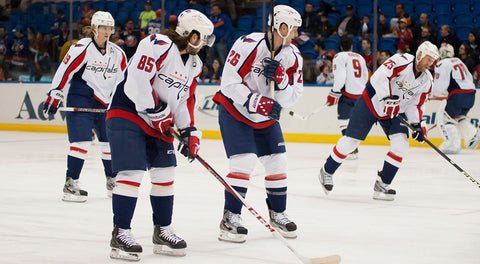
A standard hockey game usually lasts about 60 minutes of playing time, divided into three 20-minute periods.
Ever wondered about the time commitment when tuning into a hockey match? Many people are curious about how long is a hockey game usually. It’s not just about the action on the ice, but also about planning your viewing schedule!
The actual game duration often stretches beyond the 60 minutes. This includes intermissions, penalties and stoppages that add time. These additional minutes may cause the total game time to often exceed two hours.

How Long Is a Hockey Game Usually?
Okay, let’s dive into the exciting world of hockey! You’re probably wondering, “How long does a hockey game actually last?” It’s a great question because it’s not as simple as just one set time. There’s the actual playing time, the breaks, and sometimes, even a little extra action. We will go through all of these things so you get a clear picture of the game duration. Let’s break down the game clock and see what makes up a typical hockey game.
The Standard Game Length: Three Periods of Action
At its core, a standard ice hockey game is divided into three main parts called periods. Each of these periods is usually 20 minutes long. So, if you just looked at the clock ticking down the game, you’d think that a hockey game should be exactly 60 minutes (20 minutes x 3 periods) right? Well, not exactly. There are lots of other important factors that contribute to a hockey game’s total time.
Beyond the Clock: Why Games Take Longer Than 60 Minutes
While the clock shows 60 minutes of play, the real length of a hockey game stretches much longer. Let’s take a closer look at the factors that make the game extend beyond the initial 60 minutes of play:
- Intermission Breaks: Between each of the three 20-minute periods there are breaks called intermissions. These breaks are usually 15 to 17 minutes long. This allows players to rest, strategize, and prepare for the next period, and it gives fans a chance to stretch their legs and visit the concession stands. This time also gives the ice crew a chance to re-surface the ice, making the playing surface better for the next period. So there are generally two intermissions in a standard hockey game.
- Stoppages in Play: Think about it: the clock stops every time the puck goes out of play. It stops when someone commits a penalty. It stops when a goal is scored. All of these instances lead to stoppages in time, and these stoppages add to the length of the game.
- Penalties: When a player breaks a rule, they get a penalty. Penalties mean that player has to go to the penalty box for a set amount of time. During this time, the other team gets to play with one more player. If a team commits too many penalties, the game time will take longer because of these stoppages.
- Television Timeouts: Sometimes, especially in professional games, there are breaks called television timeouts. These give television broadcasters a chance to show commercials, and they can add a little more time to the game.
Average Total Game Time
So, when you add up all the 20 minute periods, the intermissions, the stoppages and any other additional breaks, a hockey game will usually last between 2 hours and 2.5 hours. Some games, with lots of penalties and stoppages, can even go over that time.
Factors Affecting the Overall Game Duration
Several things can affect exactly how long a game will be. We’ve talked about stoppages and penalties, but let’s take a deeper look at the things that affect a hockey game’s length:
- Number of Penalties: A game with lots of penalties will take longer than a game with fewer penalties. This is because the clock stops each time a penalty happens.
- Number of Goals Scored: When a goal is scored, the clock stops briefly for the celebration and the face-off reset. More goals means more of these short pauses, adding to the overall time.
- Overtime (Playoffs): In playoff games, if the score is tied at the end of the third period, the game goes into overtime. These overtime periods can be sudden death, which means the first team to score wins. In regular season games, it is a five minute 3v3 and shootout if required. These periods add extra time to the game.
- Injuries: If a player gets injured and needs medical attention on the ice, the game clock stops, and this adds to the overall length of the game.
Breakdown of a Typical Hockey Game’s Timeline
Let’s break down a typical hockey game timeline to get an idea of how all these factors come together. Imagine a game between Team A and Team B:
- First Period: The first 20 minute period. This means the time on the clock will go from 20:00 to 0:00. However, because of stoppages, the actual elapsed time from start to finish is generally about 25 to 30 minutes.
- First Intermission: A break of 15-17 minutes long. This gives the players a rest and also gives the ice crew time to take care of the playing surface.
- Second Period: Another 20-minute period, where the time ticks down from 20:00 to 0:00. Just like in the first period, stoppages may extend this period by 5-10 minutes.
- Second Intermission: Another break of 15-17 minutes, with similar purposes as the first intermission.
- Third Period: The final 20-minute period. Once again the clock is ticking down from 20:00 to 0:00. The actual length may increase due to stoppages in play.
- Potential Overtime: If required, a 5 minute overtime period, and then a shootout if scores are still tied.
Adding all of this up, it gives you a total elapsed time of approximately 2 to 2.5 hours, but as stated before, this can differ based on the unique circumstances of each game.
Understanding Timeouts
A crucial aspect to keep in mind during a hockey game is the use of timeouts. Each team has a designated number of timeouts they can call during the game, typically one timeout per game. These timeouts offer a chance to regroup, make adjustments in their strategy, or give their players a short breather. A timeout is typically a full stop of the game clock and the game does not start again until the timeout is over. Timeouts usually last for 30 seconds and it adds an additional stoppage to the game.
Variations in Game Length by Hockey Level
While we’ve mainly talked about professional hockey, the length of a game can change depending on the level of play. Let’s look at how game times differ in youth hockey, college hockey, and professional leagues.
Youth Hockey Game Durations
Games in youth hockey are designed with the player’s age and development in mind. That’s why the game time is often shorter than in higher level play. These games are shorter for several reasons:
- Reduced Period Lengths: Instead of 20 minute periods, youth games will often have shorter periods, perhaps 10 to 15 minutes each.
- Shorter Intermissions: The intermissions in these games will usually be shorter than the 15 to 17 minute breaks you find in professional games. This helps reduce the overall time spent at the rink.
- Focus on Development: The goal in youth hockey is all about learning the game, developing skills, and having fun. Shorter games allow players to have more time to play and improve their skills.
The total duration of youth hockey games can vary, but typically they range from about 1 to 1.5 hours, sometimes less for the younger age groups.
College Hockey Game Durations
College hockey games generally follow the standard professional format of three 20 minute periods. The differences in game length compared to professional hockey generally come from fewer stoppages in play. In collegiate games, television timeouts are not as frequent as they are in professional games. Also, there tends to be fewer penalties compared to professional hockey games. These aspects lead to college games usually ending up being slightly shorter in total duration compared to NHL games. A typical college hockey game will last between 2 and 2.5 hours.
Professional Hockey Game Durations
As discussed before, professional hockey games, especially in leagues such as the NHL, follow a specific format that can extend the game well beyond the 60 minute mark. While the periods are 20 minutes each, frequent stoppages, television timeouts, and longer intermissions can push the game to around the 2.5 hour mark. Also, the possibility of playoff games going into overtime can extend the game duration much longer.
The Importance of the Game Clock and Game Time
The game clock in hockey isn’t just a simple timer. It’s a key part of the game itself. Teams use the clock to strategize, plan their attacks, and defend against opposing teams. Understanding the game time is very important to both players and fans. Here are some reasons:
- Strategic Decisions: Knowing how much time is left in a period can be important. Teams may make different decisions in the final minutes of a period compared to the opening minutes. For example, a team leading late in the game might play more defensively to hold on to their lead.
- Player Management: Coaches use the clock to determine when to send players onto the ice. They need to make sure their players get enough rest between shifts.
- Fan Experience: Knowing the average length of a hockey game helps fans plan their day. It helps them arrange transportation and other activities while also not missing a moment of the game.
Additional Factors Affecting Overall Game Duration
Sometimes, there are factors that are unique that can affect how long a game will be. For example, if the ice surface is in poor condition, the game can be delayed while the crew addresses the issue. Or sometimes, if there is a problem with a piece of equipment, this can delay the game. Also, if there is a fight on the ice, the officials take time to resolve the situation. All of these factors can add extra time to the game.
Also, there may be celebratory periods that can add to the total time of the game. For instance, if a player scores a hat trick, the fans may throw hats onto the ice, and the time it takes to collect them all can add to the elapsed time of the game. Also, if it is a big playoff game, there may be a special ceremony to end the game, and this adds additional time.
In Conclusion
So, while the game clock in hockey shows 60 minutes of play, the total time of a hockey game is usually much longer. With intermissions, stoppages in play, penalties, and potential overtime, games typically last around 2 to 2.5 hours. The actual game duration depends on various factors, from the level of play to the unique circumstances of each match. Understanding this will help both avid hockey fans and those just starting to get into the sport to be prepared for the game experience.
How long is a hockey game?
Final Thoughts
A standard hockey game comprises three 20-minute periods. These periods are separated by intermissions, making the total duration longer. The clock stops during gameplay pauses for penalties and stoppages.
Therefore, ‘how long is a hockey game usually’ extends past the strict 60 minutes of playing time. Factoring in intermissions and stoppages, most games last around two and a half hours.

