
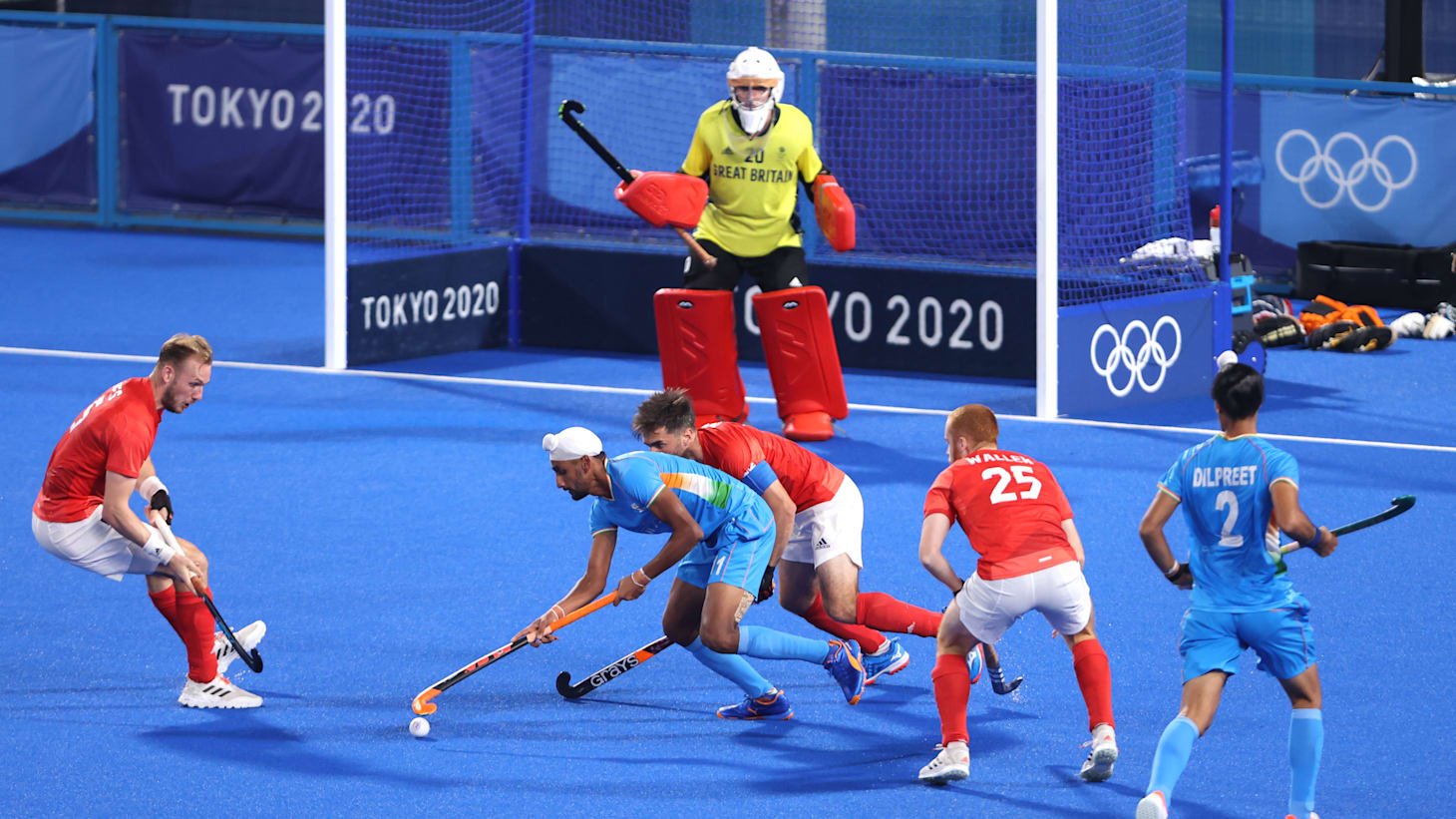
A standard hockey game is 60 minutes long, divided into three 20-minute periods, with intermissions in between.
Ever wondered how long is a hokey game? It’s a question many first-time spectators ask. The fast-paced action can leave you breathless, but how long does it all last? Let’s delve into the typical structure of a game.
Generally speaking, a standard game is comprised of three 20-minute periods. There are also breaks in play known as intermissions which occur between each period, giving players time to rest. These intermissions add to the total duration of the match.

How Long Is a Hockey Game?
Okay, so you’re wondering how long a hockey game actually lasts? It’s a great question, and it’s not as simple as saying “an hour” or “two hours.” There’s a lot more to it than just the time on the clock. Let’s break down exactly what makes up the length of a hockey game, from the regular playing time to those sometimes nail-biting overtime periods. We’ll look at the differences between professional games, like in the NHL, and games at other levels, like kids’ leagues, and we’ll even discuss why games can sometimes feel like they go on forever. So, let’s dive in!
The Basics: Regular Time in a Hockey Game
At its heart, a hockey game is made up of three main parts called periods. Think of them like acts in a play, but with lots of fast skating and puck shooting! Each of these periods is 20 minutes long, but here’s a super important detail: that’s 20 minutes of actual playing time. The clock stops a lot during the game – for things like penalties, when the puck goes out of play, and when players need to have a break. This means a game actually takes much longer than just 60 minutes to play from start to finish.
Understanding the 20-Minute Periods
Each 20-minute period is designed to be packed with action. When the clock is ticking, the players are skating, passing, and trying to score goals. The goal is for each team to have their best players on the ice, trying to control the puck and dominate play. However, there are also very clear rules. If a player does something against the rules, like tripping another player or hitting them too hard, the clock will stop, and a penalty may be called. This time-out is crucial to player safety, it’s what keeps a game from getting too out of hand.
Breaks Between Periods: Intermissions
After each of the three 20-minute periods is done, there’s a break called an intermission. These breaks are super important. They give the players time to rest, get a drink of water, talk with their coaches about strategy, and get ready for the next period. Intermissions also give the fans a chance to stretch, grab some snacks, and chat about what they’ve just seen on the ice. Usually, an intermission lasts about 15 to 18 minutes, giving everyone time to prepare. In the NHL, the first and second intermissions are 17 minutes long, while the break after the second period is 15 minutes long.
Total Game Time: More Than Just Playing Time
Now, let’s put it all together. You have three 20-minute periods, which makes 60 minutes of playing time. But remember, we have those intermissions between periods. We have to factor in stoppages too – the pauses in the clock when the puck goes out of bounds, penalties are called, and goals are scored. All of these things add to the actual time a hockey game takes to complete.
The Impact of Stoppages
When the puck leaves the playing surface, like going into the crowd or getting deflected off the glass and over the boards, it creates a stoppage. During these times, play is paused, and so is the clock. In addition, penalties can sometimes take longer to resolve, with referees deciding the severity of a violation. These stoppages are common in hockey, and they’re why a game can last much longer than just the 60 minutes of playing time on the game clock. When there’s a penalty, the penalized team has to play with one less player on the ice. This is called a “power play” for the other team. Referees often need time to explain calls or break up scuffles between players, all of which contributes to game length.
Typical Total Time for a Professional Hockey Game
Considering all the periods, intermissions, and stoppages, a professional hockey game, like in the National Hockey League (NHL), usually takes about 2.5 to 3 hours to complete. This is an average, of course, and some games can be even shorter if there are fewer penalties and stoppages, while others go a lot longer if the game is close and there are a lot of penalties or, in rare cases, the game needs overtime. These extra factors can significantly add to the total time.
Overtime: When the Game Goes the Distance
Sometimes, a hockey game is so exciting that after three periods, the score is still tied! This is when things get really interesting because the game then goes into what’s called overtime. Overtime is a sudden-death period, meaning the first team to score wins the game. It’s a very exciting time because the game can end at any moment!
Different Overtime Rules
Overtime rules vary a little, depending on where the game is being played. In the NHL during the regular season, overtime is 5 minutes long and is played with only 3 skaters per team plus their goaltender (usually a team plays with 5 skaters plus their goalie). If no one scores within that 5 minutes, then the game goes to a shootout, which is when players take turns going one-on-one with the goalie. During the NHL playoffs, the overtime format is different. If teams are tied after three periods, they play 20-minute overtime periods (like normal periods), with five skaters per team (like normal), and the first team to score wins. Sometimes, this can mean the game goes through several 20-minute overtime periods! You’ll see players exhausted and fans on the edge of their seats!
Impact of Overtime on Overall Game Length
Overtime can add a significant amount of time to the total game length. A single overtime period, particularly in playoffs, can push the total time to well over three hours. Multiple overtimes can even extend the game beyond the 4-hour mark. This is why you see players and fans completely worn out but also filled with excitement after a really long overtime game. Think of it as the grand finale, where anything can happen!
Hockey Game Length at Different Levels
While professional hockey usually has specific time rules, these can change at different levels of play. Let’s look at how the lengths of games can be different for kids, college, and other leagues.
Youth Hockey Game Duration
For younger players, the game times are often much shorter. These shortened games help with player development. There’s also more emphasis on teaching the fundamentals of the game than trying to win at all costs. Here are some common adjustments made to game times at the youth level:
- Shorter Periods: Instead of 20-minute periods, games may have 10, 12, or 15-minute periods. The younger the age group, the shorter the periods will typically be.
- Shorter Intermissions: Intermissions are often shorter too, sometimes only a few minutes long. This is to keep the kids engaged and avoid them getting too cold during breaks.
- No Overtime: In many cases, youth games do not go to overtime. They might end in a tie.
The total game time for a youth hockey game can be anywhere from 45 minutes to 1.5 hours, depending on the age group and the local league rules. This approach ensures that hockey is a fun and manageable sport for younger players while still fostering a love for the game.
College Hockey Game Time
College hockey usually follows very similar rules to professional hockey, especially regarding period length. Here’s how college games differ:
- 20-Minute Periods: College hockey games use 20-minute periods, just like the NHL.
- Overtime: College hockey also has overtime rules when the game is tied after three periods. Generally, college hockey has a five-minute sudden-death overtime period, and if no goal is scored the game ends in a tie. The rule does vary slightly based on the college hockey league.
- Total Time: The total game time can usually range from 2.5 to 3 hours, similar to professional games.
The main differences that can affect game length in college hockey are the penalty calls and any resulting stoppages, which can add significant minutes to the game.
Other Leagues and Variations
There are also many different hockey leagues around the world, and they sometimes have their own variations in terms of game length. International tournaments might have different rules about overtime or intermissions, for example. Even some adult recreational leagues can have shorter periods or different rules to accommodate more games per day or to make it easier for people with busy schedules to play. It’s always best to check with each league about their specific rules if you are unsure of the length of their games.
Factors That Influence Game Length
Several factors can influence the total time of a hockey game. These aren’t just simple things; they are part of what makes hockey so exciting and dynamic. They explain why some games seem to fly by, while others feel like they are never going to end.
The Number of Penalties Called
Penalties in hockey are common, but they can change the game’s length in a big way. When a player commits a penalty, like tripping or hooking, the clock is stopped while the referees decide on the penalty. A penalty usually means the player has to go to the penalty box for a certain amount of time (2 minutes for a minor penalty or 5 minutes for a major penalty), and the team with the penalized player has to play shorthanded during that time. Because the clock stops during these penalty calls, the more penalties that are called during a game, the more the game clock is stopped, and the longer a game may become. The same concept applies to all the rules that are needed during a hockey game, like icing, offsides, and so on.
The Number of Stoppages in Play
As mentioned before, stoppages can significantly impact the overall game time. These stoppages occur every time the puck leaves the playing surface, due to a penalty, after a goal, or due to an injury to a player. Each stoppage might not take much time, but when you add them all up over the course of a game, they can greatly increase the total time the game takes to complete. More pucks leaving the ice means more stoppages, which means more total game time.
The Pace and Intensity of the Game
The general pace and intensity of the game can also have an impact on the total time. If a game is very fast-paced with lots of scoring opportunities, there tends to be less time between whistles, and the game clock may keep running more consistently. On the other hand, a very physical game with many puck battles and more intense play might have a lot more stoppages, leading to a longer total game time. A team’s style of play also affects the total game length. A team that likes to play a fast-paced, open game, will generate more play stoppage than a team that uses a more defensive, slower style.
Equipment Issues and Other Delays
Uncommon situations like a player needing to repair or replace a piece of equipment (like a broken skate blade or a broken stick) can lead to delays. A small delay like a broken stick or lost helmet can take a few minutes, and a more significant equipment issue can add even more time. Also, in some very rare cases, things like on-ice injuries, ice issues, or even weather delays can also add time to the game, but these are not very common occurrences.
So, as you can see, while a hockey game’s official playing time is 60 minutes, the actual total time can vary a lot. Understanding all the aspects that can affect the length of a game makes the sport all the more interesting.
Understanding how long a hockey game lasts helps you plan your viewing, whether you are going to a live game or watching it on TV. The combination of fast-paced action, strategic play, and the potential for unpredictable twists makes every game a unique experience. So, the next time you settle in to watch a game, you’ll be more than ready for however long it takes – whether that’s a quick match or an extended thriller.
The best mode#brawlstars #brawl #gaming #hokey
Final Thoughts
A standard hockey game is 60 minutes long. This playtime is split into three 20-minute periods. Intermissions happen between each period. These breaks allow players to rest and coaches to strategize.
Including intermissions, a typical game lasts around 2.5 hours. The actual length can vary due to stoppages in play. Overtime can extend the match further. So, “how long is a hockey game” isn’t always a fixed answer.

