
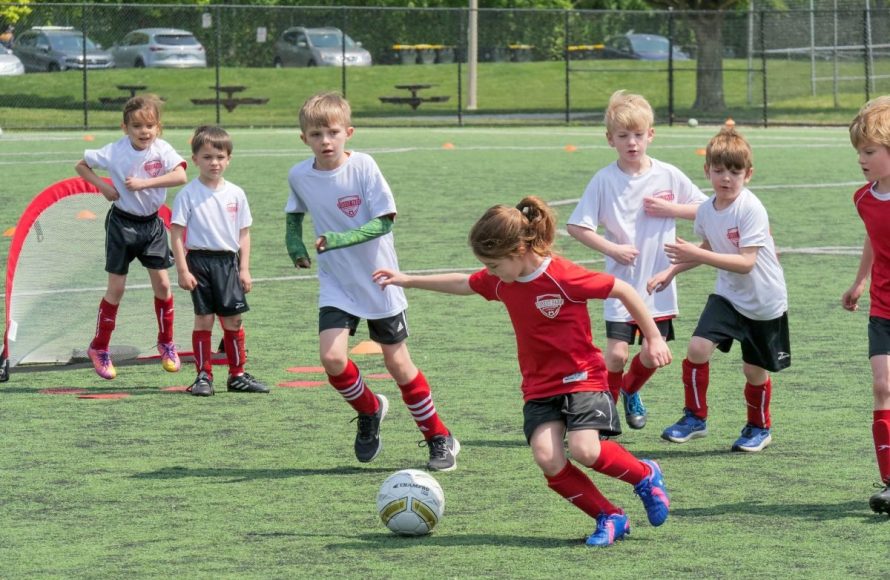
A kids soccer game typically lasts between 40 and 60 minutes, divided into halves, though this can vary slightly by age group.
Ever wondered how long is a kids soccer game? It’s a common question for new parents and eager young players alike. The answer isn’t always a simple number, as game lengths differ depending on the age and level of competition.
Understanding these timeframes helps everyone plan their schedules and ensures players don’t get too tired on the field. Let’s explore typical durations.

How Long is a Kids Soccer Game?
So, you’re curious about how long a kids’ soccer game lasts? That’s a great question! It’s not always the same, and it can change depending on a few things. Unlike professional soccer games, which are a standard 90 minutes, kids’ soccer games have shorter playing times. This is because kids have different energy levels and attention spans than adults. Let’s dive into the details of how long those exciting matches really are!
Understanding Different Age Groups
The most important factor determining the length of a kids’ soccer game is the age of the players. Younger kids need shorter games to stay engaged and have fun. As they get older, the games gradually get longer to match their growing abilities. Let’s take a look at some typical game lengths by age group:
Under 6 (U6) Soccer Game Length
These are the youngest players, and their games are usually the shortest. Typically, an U6 game will last around 40 minutes, sometimes split into four 10-minute quarters. This way, kids can take breaks and avoid getting too tired or overwhelmed. The emphasis at this age is on learning basic skills and having fun, not on the competition itself. There might be short breaks in between those quarters too, like a 1-minute or 2-minute break, but it depends on the league and the coach.
Under 8 (U8) Soccer Game Length
For kids in the U8 age group, the game length usually increases a bit. You will commonly see games of about 50 minutes in duration for these players. Often they are divided into two halves of 25 minutes, with a short half-time break in between. This helps the kids work up their stamina and learn how to focus for a little longer. It’s still all about enjoyment and skill development at this level.
Under 10 (U10) Soccer Game Length
U10 soccer is where we start to see a bit more of a formal structure. Games typically last for about 60 minutes, divided into two halves of 30 minutes. The halftime is generally around 5-10 minutes. Players at this level are developing more sophisticated skills and a better understanding of teamwork. The game has longer periods, reflecting the increased endurance of the players.
Under 12 (U12) Soccer Game Length
At U12, the game duration increases to around 70 minutes. Often they will play with two halves of 35 minutes each, with a halftime break of usually around 5-10 minutes. Kids are starting to understand the game at a more tactical level. Their fitness levels and ability to maintain focus have increased. The longer game time helps the players to learn how to strategize.
Under 14 and Above (U14+) Soccer Game Length
Once kids reach U14 and above, the game lengths become closer to those of adult games. You will find games typically last for 80-90 minutes, often divided into two halves of 40 or 45 minutes respectively. There is usually a 5–10-minute break at half-time. At this stage, they will play with a more traditional soccer match setup. These durations are intended to test their physical and mental endurance as they play more competitive games.
Factors That Affect Game Length
While the age groups give us a good baseline, there are other factors that can influence the total length of a kids’ soccer game. These factors include the following:
- League Rules: Different leagues and organizations will have their own specific rules regarding game length, half-time breaks, and the number of periods. It’s always best to check with your local league to confirm the exact game duration. For example, some leagues might have a slightly shorter period or a longer break than others.
- Tournament Play: Tournament games might have different time rules than regular season games. Sometimes, to ensure they stick to the schedule, tournament games might have shorter periods. Or they may have longer games as they go deeper into the tournament. Check the specific rules of each tournament you are participating in.
- Weather Conditions: Extreme weather, like very high temperatures or heavy rain, can sometimes lead to shortened game times. This is to ensure the safety and comfort of the young players. The refree might consider shortening the duration of halves or the number of halves.
- Referee Decisions: In very rare cases, the game could be shorter or longer, based on the referee’s judgment, this could be because of an injury or time wasting.
Game Format and Structure
Besides the overall game length, the way a game is structured also plays a vital role in how a match unfolds. Most children’s soccer games are structured differently from adult games. Here’s a bit about that:
Halves vs. Quarters
Younger age groups, particularly U6 and U8, often play with four quarters instead of two halves. This provides more opportunities for breaks and keeps the kids engaged. As players grow older, they typically shift to playing two halves.
Halftime Breaks
Halftime is an essential break in the game for a reason. It allows players to rest, hydrate, and get some quick feedback from their coaches. The duration of the half time is usually between 5-10 minutes, but this could vary based on the league and age group.
Substitutions
Substitutions are very important in kids’ soccer, especially when young children play the game. This helps keep players fresh and provides all players an equal opportunity to get play time. Substitutions can happen at different intervals, and the coaches always have an eye on every player’s ability so they don’t get fatigued. The specific rules for substitutions can vary by league but they are usually more liberal in kids’ soccer to ensure all get play time.
Why Shorter Game Times for Kids?
The length of kids’ soccer games is deliberately shorter than adult games for several important reasons. These reasons include the following:
- Attention Spans: Young kids have shorter attention spans. Lengthy games can make it difficult for them to stay focused and interested, which will make them lose interest in the game.
- Physical Limitations: Children’s bodies aren’t fully developed yet, so they tire more quickly than adults. Shorter games prevent them from becoming overexerted and risking injury.
- Skill Development: The focus in youth soccer is on learning and skill development rather than intense competition. Shorter games allow kids to practice and enjoy the game without feeling too pressured.
- Enjoyment Factor: The goal is to make sure kids enjoy playing soccer and want to continue playing, making sure the matches are not too long ensures they remain fun and not a tiring exercise. Shorter game times help them stay engaged and have fun, which encourages them to stick with it.
- Learning the Game Shorter games make it easier for kids to absorb lessons and understand the game, without the pressure of longer, more challenging games.
Tips for Parents and Coaches
Understanding game lengths is helpful for both parents and coaches. Here are a few useful tips to keep in mind.
For Parents
- Check the Schedule: Always double-check the specific game length with the coach or the league schedule. They may have specific requirements for the game.
- Prepare for the Day: Make sure your child has had enough rest and is properly hydrated before the game. Pack water and healthy snacks to keep your child energized.
- Be Supportive: Encourage your child and celebrate their efforts. Remember, it’s all about having fun and learning!
- Understand the Structure: Familiarize yourself with the game structure, so you understand how the game will flow with breaks and substitutions, as it differs among age groups.
For Coaches
- Plan Practice Accordingly: When planning practices, ensure the practice time matches the game lengths so that the players are well prepared for the game, especially about their stamina.
- Manage Player Energy: Use substitutions wisely to make sure all players get good playing time and stay fresh throughout the game.
- Focus on Development: Emphasize skill development and teamwork over winning. Shorter games help players to learn and develop rather than just the result of the game.
- Clear Communication: Make sure to communicate all the rules regarding the game to both kids and the parents, so that everyone understands.
The Evolution of Game Length
It’s also good to note that game lengths can sometimes evolve over time, as leagues and governing bodies update rules and best practices for player development and safety. These updates ensure that children have the best possible experience playing soccer.
In the end, the duration of a kids’ soccer game depends heavily on their age and the specific league rules. From the brief 40-minute matches of the U6 age group to the more extended 90-minute games of older kids, the length is carefully designed to match the physical and cognitive capabilities of young players. Whether you’re a parent cheering from the sidelines or a coach guiding your team, understanding these game time specifics helps everyone ensure the kids have fun, develop their skills, and grow their passion for the sport. Knowing how long those games are is key to making the whole soccer experience better for everyone.
SOCCER for Kids | Basic Rules | Episode 1
Final Thoughts
The length of a kids’ soccer game varies significantly by age. Younger players, like those in under-6 leagues, often play shorter matches, usually around 40 minutes total. These shorter times help maintain their focus.
As kids get older, game durations increase. Under-10 games might be 50-60 minutes, and then the time steadily goes up. Older children play a longer duration which is common.
So, how long is a kids soccer game? The answer depends on the age group. Remember to check with your local league for specific time details, as they may have slightly different rules.

