
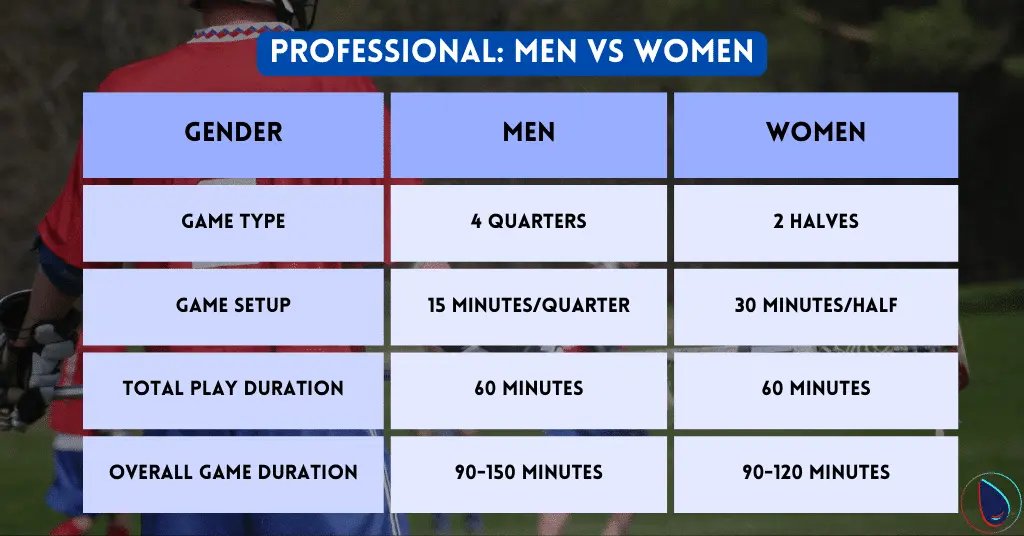
A standard lacrosse game typically lasts 60 minutes, divided into four 15-minute quarters.
Ever wondered how long you’d be cheering from the sidelines or playing on the field? The question, “how long is a lax game” pops up for many new fans and players alike. It’s a common query and this article will clarify the typical duration of a match.
Lacrosse games aren’t continuous; they have breaks between each quarter and a longer halftime period. These breaks allow for player rest, strategy adjustments and, of course, a bit of breather for the spectators too. So, while the total clock time might be a bit longer, the actual playing time remains consistent.

How Long is a Lax Game?
Okay, so you’re wondering about the length of a lacrosse game, right? It’s a great question! Unlike some sports with a set clock, lacrosse game time can vary a bit. Let’s dive into all the details to understand what affects how long you’ll be watching or playing this exciting sport.
Understanding the Basics: Game Time by Level
The first thing to know is that game length depends on the age and skill level of the players. Younger players won’t have the same stamina as older ones, so their games are shorter. Here’s a breakdown of typical game lengths:
Youth Lacrosse
For young players, usually under 12 years old, games are shorter. We’re talking about:
- U9 & U10: Games are usually around 40-45 minutes long, divided into shorter quarters. This makes it easier for kids to play hard without getting too tired. The quarters usually run from 8-10 minutes.
- U11 & U12: At this level, game length increases a bit, often around 45-50 minutes with similar quarter lengths or maybe slightly longer depending on the league rules.
These shorter game times help young athletes learn the game without burning out. Coaches and officials focus on skill development and having fun, making sure the game pace keeps the excitement going but also stays within a reasonable timeframe. There are often shorter breaks between quarters to keep the kids engaged.
High School Lacrosse
Things get a bit longer in high school. The game usually consists of four quarters, and each one of them lasts longer. Here’s how it usually breaks down:
- Regular Game Length: High school games typically run for 48 minutes of playing time. This is usually divided into four 12-minute quarters.
High school lacrosse provides a more intense experience, with longer playing periods demanding greater fitness and strategy from the players. The quarter breaks might be slightly longer too, allowing coaches to implement more detailed tactics, and for players to catch their breath before getting back into action.
College Lacrosse
At the college level, we’re talking about even more serious competition and longer game times:
- Regular Game Length: College lacrosse games are generally 60 minutes long, split into four 15-minute quarters. This increased playtime requires excellent conditioning and makes for a fast-paced, high-energy game.
College games not only require excellent physical preparedness but also involve very detailed strategies from coaches and players. The longer game periods allow for multiple momentum swings and strategic adaptations during the game.
Professional Lacrosse
Professional lacrosse games follow similar timing conventions as college games but sometimes with slight variations, often incorporating a shot clock. Generally, here is what to expect:
- Regular Game Length: Like college, professional games usually last for 60 minutes. The professional leagues might also tweak rules about time-outs or other clock stoppages, which can extend the overall time of the game.
Professional games often have increased time-outs and can experience more interruptions, resulting in the game duration extending beyond 60 minutes. The shot clock in some leagues adds another layer of strategy, keeping the gameplay fast and exciting. The pace is quick, skill levels are higher, and the games usually hold the audience’s attention due to the high stakes.
Factors Affecting Actual Game Time
Even though you might see a listed game time, many factors can make the actual time on the field longer. Let’s break those down:
Timeouts
Teams can call timeouts, which pause the game clock. These pauses can add up, especially in close games. Timeouts allow players to take a breather, coaches to make key strategy adjustments, and can contribute to game duration. These stoppages are a key part of game strategy.
Penalties
Penalties stop the clock while players go to the penalty box. Then, depending on the severity of the penalty, the game clock might stay stopped until the penalty time has passed. This can add quite a bit of time, especially with multiple infractions. Referees also have to address the penalty with a brief explanation, which can stop the clock and add to game length.
Injuries
If a player gets hurt, the game clock stops while they get medical attention. These pauses can vary quite a bit, depending on the severity of the injury. When officials halt the play to attend to an injured player, game time can often be extended.
Official Reviews
Just like in other sports, lacrosse has official reviews. If a play is in question, officials might stop the game to review footage. Reviews, especially in close games, can significantly increase total game time as the officials make sure all calls are accurate.
Overtime
If a game is tied at the end of regulation, they go into overtime. Overtime rules can vary, but often, they involve sudden-death periods, which continue until one team scores. Overtime periods, particularly in sudden-death scenarios, can make games last much longer than the regulation time. They add a lot of excitement and anticipation to the game, but also add extra minutes to the time.
Halftime
There’s a break at the midpoint of the game, known as halftime. Halftime breaks usually give players a much-needed chance to rest, make adjustments, and sometimes involve a performance by the marching band at the high school level. This break, while necessary, does add to the total time spent at the stadium or field.
Pre-game and Post-game Procedures
While not part of the “game,” pre-game warmups and post-game handshakes take up time. These are important parts of the tradition and can extend the time you spend watching or playing lacrosse.
Comparing Game Times: Lacrosse vs. Other Sports
How does lacrosse compare to other popular sports? It’s good to know what to expect when comparing the game times.
Lacrosse vs. Football
Football games typically last about 3 hours, but there’s only 60 minutes of actual playing time. Because of constant clock stoppages for plays, timeouts, penalties, and so on, football games are much longer than lacrosse. Lacrosse often has more continuous gameplay, making the actual game time much closer to the total time.
Lacrosse vs. Soccer
Soccer games, including breaks, are generally about 2 hours long. Lacrosse and soccer both have continuous playing time, but lacrosse often has more stoppages for penalties, timeouts, and other interruptions. The flow of soccer usually keeps the pace moving forward with minimal stops outside of injuries or substitutions.
Lacrosse vs. Basketball
A basketball game typically takes about 2 hours from start to finish. Both sports often have many breaks in the game time, basketball with timeouts and fouls and lacrosse with the breaks already discussed. Although the play is more continuous, the number of clock stoppages for timeouts, fouls, reviews, etc., can make the total game time similar to lacrosse.
Lacrosse vs. Hockey
Hockey games typically take around 2.5 hours from start to finish. Like lacrosse, hockey games also involve continuous playing time, but they also have numerous stoppages for penalties, faceoffs, and other on-ice issues. The game flow tends to be similar in both, but differences in rules mean total game time may vary.
Why These Time Differences Matter
Knowing how long a lacrosse game is helps you plan your day, whether you’re a player, a fan, or a parent. Here’s why it is helpful:
- For Players: Knowing game lengths helps players with endurance training. Players can prepare mentally and physically for the game by knowing what to expect. A college-level player should be more prepared for a longer game than a youth league player.
- For Coaches: Knowing the playing time and when the breaks occur is important for their strategy. Knowing how many minutes are available allows the coaches to make better time-management choices. They can also plan effective breaks and substitutions.
- For Spectators: Game length helps you plan your schedule and avoid missing other events. It makes planning easier for parents, family, and fans to plan around the game times. They can also figure out where to grab food and refreshments.
Strategies to Maximize Game Time Enjoyment
Here are a few ideas that can help you enjoy and make the best use of the time spent at a lacrosse match, whether you’re a player, coach, or spectator:
For Players
- Hydrate and Fuel: Be sure to drink plenty of water and eat balanced meals and snacks before the game. This will help improve endurance and prevent cramps, keeping you going throughout the match.
- Practice Endurance: Regularly work on your physical stamina during training. Prepare your body to last the whole game time by running and practice drills consistently.
- Mental Preparation: Practice techniques that help you remain calm and focused. Visualize your goals and use positive self-talk to stay in the zone during all periods of play.
For Coaches
- Effective Substitutions: Time your substitutions so your team always has energy on the field. Plan ahead for various substitutions to optimize player performance at any moment.
- Strategic Timeouts: Use timeouts wisely to make key game adjustments and give your players needed rest. Only take timeout when necessary to not have an impact on the game flow.
- Communicate Clearly: Make sure your players understand their roles on the field and the game strategy. Clear communication will help everyone stay on the same page, maximizing game time use.
For Spectators
- Arrive Early: Get to the field or stadium ahead of the game to grab good seats and watch warm-ups. Seeing the pre-game routines adds to the whole experience.
- Bring Comfort Items: Have items like sunscreen, hats, water, and comfortable chairs or blankets to enhance your time outdoors. The more comfortable you are, the better your game-watching experience will be.
- Engage in the Game: Cheer on the players, learn the game rules, and make the most of your viewing time. Getting more involved in the game will make it more fun and memorable.
In Conclusion
So, while the basic game length for lacrosse is generally set by the age and level of the players, many things can affect the actual time a game takes. Whether you are a player, a coach, or a fan, understanding the game’s timing will help you get the most out of this fast-paced and exciting sport.
Lax For Dummies 2021
Final Thoughts
Lacrosse games vary in length, depending on the level of play. Youth games often have shorter periods. High school and college games use longer quarters.
These variations directly impact the total game time. Usually, the game includes timeouts and halftime. so, how long is a lax game depends on these factors.
Ultimately, game durations are determined by specific league rules and age groups. This ensures fair and appropriate game times for all.

