
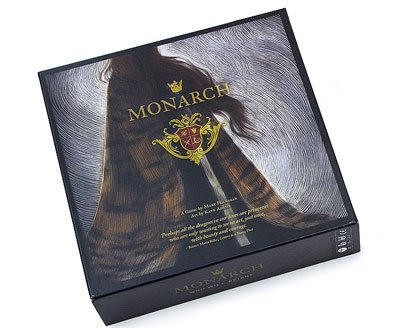
No, monarchy is not a game; it’s a system of governance and succession with real-world consequences.
Is monarchy a game, a whimsical role-playing exercise, or something far more significant? This question often arises when we consider the historical pageantry and traditions surrounding royal families. It’s easy to get caught up in the narratives of power and lineage. However, the reality involves the complex administration of a nation and impacts lives directly. The notion that this is merely a game diminishes the inherent responsibilities tied to the role.

Is Monarchy a Game?
When we think about kings and queens, we often picture fairy tales. Beautiful princesses, brave knights, and of course, the all-powerful ruler on their throne. But is being a monarch really just like a game? A game of chess, perhaps, where each piece has its set moves, and the goal is to become the most powerful? Or is it something far more complex? Let’s explore this idea, diving deep into what monarchy truly means and whether it resembles a game at all.
The Rules of the Game: Hereditary Power
One way to look at monarchy is through the lens of its foundational principle: hereditary succession. In most monarchies, the ruler isn’t chosen by the people. Instead, they inherit their position, usually because they are related to the previous ruler. This is much like getting a turn in a game simply because of your family connection. But is this “game” fair? Think about a board game where you automatically start with more points than the other players just because of your family. That’s similar to how hereditary monarchy works. The rules are set, and the “player” is born into the position. It’s a system with a long history, but its fairness is often questioned.
What Does “Hereditary Succession” Mean?
Hereditary succession is the way a monarch’s power passes down through their family. It’s usually from parent to child, most often to the eldest son. Imagine a game where the winner’s child automatically gets to play the next round, even if they haven’t played before. It’s a bit like that. This system often leads to questions of preparedness. Can someone who is born into a role always be the best leader? Just because you are good at a board game, does not mean that you can handle a whole nation.
Here’s a simple breakdown:
- Birthright: The right to rule is often based on who your parents are, not on your skills or abilities.
- Family Lines: Power usually stays within the same family line, sometimes for centuries.
- Firstborn Preference: Often, the eldest child, especially the eldest son, is next in line to rule.
The Game of Influence: Power and Responsibility
Monarchy isn’t just about inheriting a title; it also involves power. But this power comes with big responsibilities. It’s not quite like a game where you can simply make any move you want without consequences. A monarch’s decisions affect real people, their lives, and their futures. Consider a game of city building: The moves you make directly impact the city. If the game isn’t fun, you can restart, but with a nation, it’s not the same. A monarch needs to consider the consequences of every choice. This requires wisdom, compassion, and a very serious mindset, not just strategy.
The Weight of the Crown: More Than Just a Title
A monarch’s power can be significant. They might have influence over laws, armies, and the economy. But the way they use their power determines if they succeed as a leader. They can’t just make choices based on what they want or like as if they are playing a video game. Their decisions impact millions, and they carry the weight of that responsibility. They have to act for the good of the kingdom and the common people, or the kingdom may suffer. Being a monarch isn’t just about wearing a crown; it’s about wearing the weight of the entire country on their shoulders.
Key Responsibilities include:
- Making Decisions: Often they are deciding important matters of state.
- Representing the Nation: They often represent the nation to other countries, symbolizing the entire land.
- Upholding Laws: They often have a role in ensuring the law is respected.
The Players on the Board: The Royal Court
A monarch rarely works alone. They are surrounded by advisors, courtiers, and other royals. Think of a game with multiple players where each has different roles and strategies. The royal court is a mix of characters, all with their own motivations and ideas. Some may be trying to help the monarch rule well, while others might be trying to increase their own power. A good monarch has to learn who to trust, a skill which is way more difficult than any games.
Navigating the Court: A Game of Alliances
The royal court can be like a complex game of alliances and rivalries. Some advisors will offer support while others will try to get more power. Courtiers may try to influence the monarch’s decisions for personal gain, which is not how a game should be played. A monarch must learn to navigate this tricky world, and this skill is far different than a game.
Key players in the court include:
- Advisors: People who provide advice on governing and making decisions.
- Courtiers: Individuals who are part of the monarch’s inner circle.
- Family Members: Other royals who have their own roles and ideas about how things should be done.
Changing the Rules: Limited Monarchies
In some places today, the monarch’s power is very limited. They may be more of a symbol than a decision-maker, like a mascot for the country. In these limited monarchies, the real power is with elected leaders or the constitution. This is like having a game where some pieces can only move a little bit, while others can make big decisions. The monarch’s role is changed, and the game is changed too. It’s more like a game where someone is just there to encourage everyone. It shows how the idea of a monarchy has changed over time, and sometimes it is just for traditional or symbolic reasons.
Constitutional Monarchies: A Different Kind of Game
In a constitutional monarchy, the monarch’s power is limited by a constitution. This means that the ruler does not have complete control. They must work with other leaders and follow the laws of the country. This is like a game where there are rules for everyone, and everyone has to follow them. It’s a much more structured way of leading, and it’s about representing the country, not ruling it in an unchecked manner. They mostly focus on tradition and national unity.
These are some key features of a constitutional monarchy:
- Limited Power: The monarch’s power is restricted by laws and a constitution.
- Symbolic Role: The monarch mostly plays a symbolic role, representing the nation.
- Elected Leaders: Elected officials hold the real power in the government.
The Game of Public Opinion: Winning Hearts and Minds
Even in hereditary monarchies, where the ruler does not have to be chosen by the public, public opinion is a really important thing. A monarch who doesn’t listen to their people may find their position under threat. This part of the “game” is about winning the support of the people, which is like earning points in a video game. A monarch who is respected and loved by the people can keep their position secure, even in the modern world, this doesn’t mean a monarch should just appease the people for power, they have to actually care for them. They have to act like an actual leader and not like just someone who inherited their position.
The Challenge of Modern Media: No More Secrecy
In today’s world, monarchs are under constant scrutiny by the media. Every decision, every action, is discussed by the press and regular people. This makes the “game” of ruling even more difficult. They cannot just hide information like in older days, people are ready to know more, and a monarch must be ready to face the media, they have to show genuine care and also a will to lead the nation, not like in a game, where you can just be a casual player.
A monarch today must understand that:
- Transparency is Key: The public wants to know what is happening.
- Media Scrutiny: Every action is scrutinized by the media and the public.
- Public Perception Matters: The people’s view of the monarch impacts their position.
The End Game: Is Monarchy Truly a Game?
So, is monarchy a game? In some ways, it might seem like it. There are rules, different players, and strategies. But, unlike a game, the stakes are real. The decisions a monarch makes impact millions of people. There are real-world consequences, which is far from a game. It’s a system with a lot of history, but it’s also a system with great power and responsibilities, which should be taken seriously. Monarchy is far more complicated than a game. It’s a mix of history, tradition, power, responsibility, and the lives of real people. The “game” is not a set of easy moves, but a serious challenge.
Looking at it through the lens of a “game” can help us understand some of its mechanics, but ultimately, the reality of monarchy is a system with very real impact. A lot more thought and responsibility is needed.
Ultimately, the answer depends on how you define “game”. If a game is a structured activity with rules and goals, then monarchy has some similar elements. However, if a game is meant to be entertaining and have no real consequences, then monarchy does not fit this definition. The impact of monarchy is too serious and too real to be merely a game. A better way to describe the concept would be a great responsibility rather than a game.
Monarchy Review – Just a Kingdom Rip-Off?
Final Thoughts
Ultimately, the question of “is monarchy a game” lingers. The trappings of power, succession, and public image often feel theatrical. We see families playing roles on the world stage, sometimes with profound real-world consequences.
History shows inherited power can lead to both great progress and terrible failures. The system’s inherent structure makes it appear like an elaborate, often high-stakes, game. The focus must always remain on accountable governance.

