
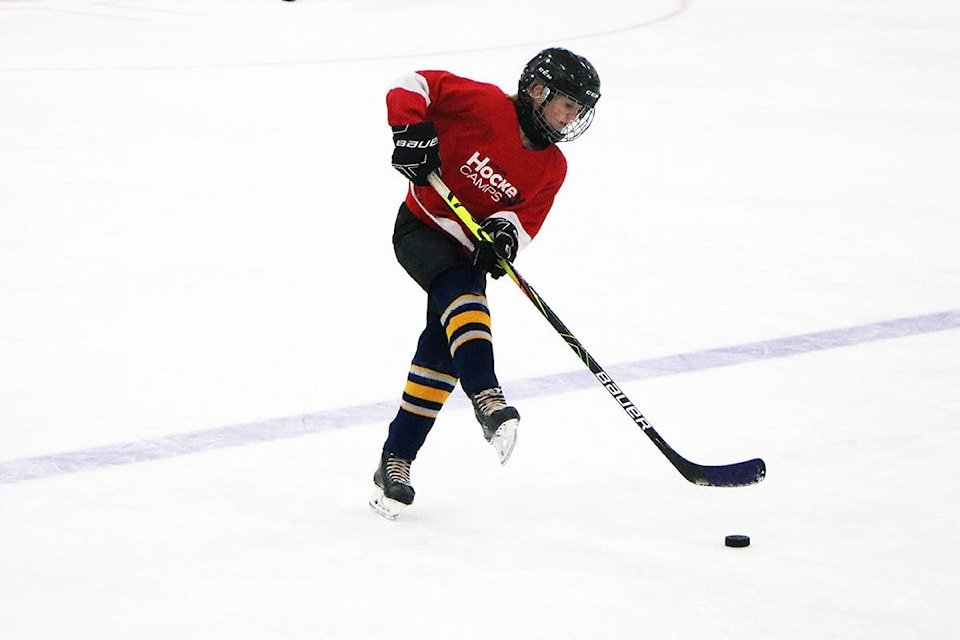
A minor league hockey game is typically 60 minutes long, divided into three 20-minute periods, not including intermissions.
Ever wondered how long is a minor league hockey game? It’s a common question for new fans. The game clock plays a key role in the pace and excitement.
Unlike some other sports, hockey has a set time format. This keeps the games relatively consistent. Knowing the length helps you plan your evening around the action.
Each period offers distinct challenges for the teams. The fast paced action of minor league hockey is something you will not want to miss.

How Long is a Minor League Hockey Game?
Okay, let’s talk about minor league hockey! You’re probably wondering how much time you need to set aside to watch a game. It’s a fair question, and the answer isn’t always as simple as you might think. While the basic structure is similar to NHL games, some differences can change the overall time. So, let’s break down everything that goes into determining how long you’ll be cheering on your favorite minor league team.
The Basic Structure: Three Periods of Action
At its heart, a minor league hockey game, like its NHL counterpart, is built around three main periods of playing time. Each of these periods is scheduled for 20 minutes of actual gameplay. This means that the clock stops whenever the puck isn’t in play, such as during whistles for icing, offsides, penalties, or when the puck goes out of bounds. That’s where the differences between the clock and real-time come into play.
How the Clock Actually Works
Even though each period is scheduled for 20 minutes, in real time, the periods will generally run longer than 20 minutes. The clock starts when the puck drops at the beginning of a period. When the play stops because the puck goes out of bounds or there’s a penalty, the clock stops and then starts again with the next play. This stop-and-start pattern stretches the real time duration of a period. It’s important to consider the amount of game stoppages that may impact the duration. Typically, you might expect a 20-minute period to take closer to 25-30 minutes in real time, sometimes even longer if there are many penalties or reviews.
Intermission Time: A Break for Everyone
Between each of the three periods, there are intermissions. These are the breaks where the players rest and re-strategize, and the fans can stretch their legs, grab a snack, or visit the restroom. Intermissions help keep players fresh, but they also add to the total length of the game. Most minor league hockey games have a 15 to 18 minute intermission break. This time allows for the players to get off the ice and gives the ice crew time to resurface the ice and clean it.
Why Intermissions Matter
Intermissions are not just idle time. They serve a few crucial purposes:
- Player Rest and Recovery: Hockey is a physically demanding sport, and players need these breaks to catch their breath, rehydrate, and prepare for the next period.
- Ice Resurfacing: The ice gets chewed up during play, and the Zamboni machine needs time to smooth it out, ensuring a good playing surface for the next period. This is very important for the quality of play.
- Fan Engagement: Intermissions often include music, contests, and other entertainment to keep the fans engaged while the teams are off the ice.
- Commercial Breaks: Intermissions also offer a time for the venue to show ads and generate revenue.
Factors Affecting Game Length Beyond the Basics
While the three 20-minute periods and intermissions are the core structure of a minor league game, several other elements can influence the total game duration. Let’s look at some of these variables:
Penalties: More Than Just Time in the Box
Penalties are a common part of hockey. They mean that one team has to play with fewer players for a specific amount of time. Minor penalties are two minutes long. There are major penalties as well and they are five minutes in length. There are also misconduct penalties. They usually involve a 10-minute penalty and can lead to a player’s ejection from the game. In addition to the penalty time itself, these stoppages cause the clock to stop, thus adding time to the game. A game with many penalties will naturally take longer to complete than a game with very few penalties. The more penalties, the more time is added to the clock.
- Minor Penalties: Usually a two-minute penalty where the penalized player goes to the penalty box.
- Major Penalties: Usually a five-minute penalty. The team is at a disadvantage for more time.
- Misconduct Penalties: Usually a ten-minute penalty. In many cases, this results in the penalized player getting thrown out of the game.
Overtime: Extra Hockey When Needed
If the score is tied at the end of the three periods, the game goes into overtime. Overtime rules can vary depending on the league and the level of play. Some leagues use a standard 5-minute sudden death overtime period, while other leagues may play a longer 20-minute overtime period that is not sudden death. These different overtime rules have a large impact on the time of the game. The different overtime formats for minor league hockey are discussed more below.
Overtime Formats in Detail
Here are some of the different overtime formats you might encounter in minor league hockey:
- Sudden Death Overtime (Usually 5 minutes): The first team to score wins the game. The game ends immediately after a goal. This is common in regular season games.
- Standard Overtime (Usually 20 minutes): Similar to a regular period, the teams play a full period. If no one scores, the game proceeds to a shootout.
- 3-on-3 Overtime: Sometimes teams play with just three players and a goalie. This makes a more open, faster paced overtime that can help ensure there is a goal. The purpose is to score goals and end the game.
Shootouts: When Overtime Can’t Decide a Winner
In some leagues, if the score remains tied after an overtime period, the game will go to a shootout. In a shootout, each team takes turns trying to score on a one-on-one breakaway against the opposing goalie. This can add time to the game. It also adds a lot of tension and excitement for the fans. Shootouts are a quick way to end the game when overtime doesn’t produce a winner. It’s a quick way to resolve a tie.
Referee Reviews: Getting the Calls Right
Sometimes, referees might need to look at replays to ensure they make the right call. If there are questions about the game, referees will review them on a monitor. This review process takes time, and the game clock stops while the referees are reviewing the play. While it ensures a more accurate result, it will extend the overall length of a game. The amount of time added because of a review will vary depending on the complexity of the review.
Injuries: Safety First
Unfortunately, injuries are part of sports, and when they happen, the game stops immediately. The clock will remain stopped while the injured player is attended to. The game restarts after the injured player is removed from the ice. The severity of the injury will dictate how long the game clock is stopped. The more severe the injury, the more time it will take to attend to the player and resume the play.
Ice Maintenance: Keeping the Rink in Good Shape
Although most ice resurfacing occurs between periods during intermission, there may be occasional stoppages during the game if the ice gets damaged. If the ice is damaged, the crew will have to fix the ice before resuming gameplay. This will impact the length of time of the game. The crew is responsible for keeping the ice in good condition to allow for quality play.
Commercial Breaks
Many minor leagues are broadcasted on TV or streamed online. Just like with other televised sports, these broadcasts will include commercial breaks. These breaks don’t usually affect the actual game time, but they will impact the total duration of the time it takes to view the game from beginning to end. These commercial breaks occur during the intermission or during a stoppage of play.
Comparing Minor League and NHL Game Lengths
While both minor league and NHL hockey games follow the same basic structure, there might be slight variations in total game time. Typically, an NHL game might run a bit longer due to more frequent stoppages and the possibility of extended referee reviews. However, these differences are not drastic. Also, the level of play might affect the amount of penalties. It could be that the amount of penalties in a lower minor league will be greater than in higher leagues. It really comes down to the league and the particular game.
Estimated Total Game Time
So, with all of these factors in mind, what’s the usual duration of a minor league hockey game? Here’s a general estimate:
- Basic game (three 20-minute periods, two 15-18 minute intermissions): Approximately 2 hours to 2 hours and 30 minutes. This would include just the standard periods and breaks, but no overtime.
- Game with penalties and stoppages: Between 2 hours and 15 minutes and 2 hours and 45 minutes.
- Game with overtime and/or shootout: It can run closer to 3 hours, and sometimes even longer.
It’s always a good idea to plan for around 2 hours and 30 minutes to be safe. This should give you enough time to see the complete game without rushing off or missing anything important. However, games will vary. If you want to plan on the exact duration, check with the venue or with someone who has experience attending those games.
In summary, while the actual playing time of a minor league hockey game is 60 minutes (3 periods of 20 minutes each), the total time, including intermissions, penalties, potential overtimes, shootouts, and other stoppages, usually stretches between 2 to 3 hours. It’s best to plan for a bit of extra time to be sure you don’t miss a moment of the exciting action!
How The North American Professional Hockey Feeder System Works
Final Thoughts
Therefore, a minor league hockey game typically lasts about 2.5 hours, similar to the NHL. This includes three 20-minute periods of play. There are also intermissions and potential overtime, impacting the overall time.
The total game time will fluctuate a bit. This variability occurs depending on penalties, stoppages, and additional periods. Thus, understanding the typical time frame helps plan your experience at a match, especially regarding ‘how long is a minor league hockey game’.

