
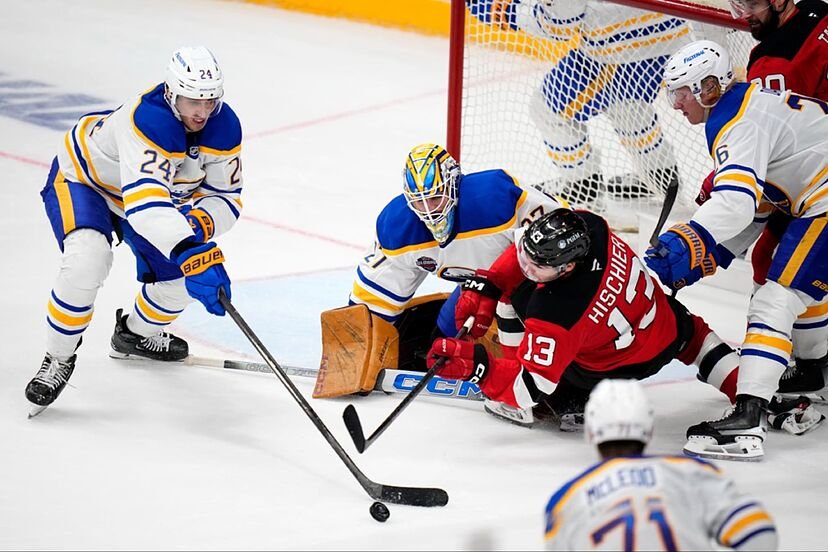
An NHL hockey game is typically 60 minutes long, divided into three 20-minute periods, with intermissions between each period.
Ever wondered, how long is a nhl hockey game? It’s a common question for new fans and even those who’ve watched a few matches. The fast-paced action and constant back-and-forth can sometimes blur your perception of time.
The actual playing time, as indicated above, totals to an hour, but the overall game duration is generally much longer. Factors like penalties, stoppages in play, and those crucial intermissions between periods contribute significantly to that extended timeline.

How Long Is a NHL Hockey Game?
Okay, so you’re wondering how long you need to set aside to watch a National Hockey League (NHL) game, right? Well, the quick answer is that a standard NHL game is 60 minutes long, but there’s definitely more to it than just that! It’s not like setting a timer for an hour and then bam, it’s all over. Let’s dive deeper into all the things that make an NHL game’s length vary. We will break down all the components of an NHL game, explain how they affect the time and also explain other scenarios.
The Core of the Game: Three Periods
The heart of every NHL game is divided into three equal periods, each lasting 20 minutes. These periods are the main playing time where all the action happens. Imagine it like three mini-games inside a bigger one. Players are skating hard, shooting, passing, and checking each other throughout these periods. The clock runs only when the puck is in play, so when a whistle blows the game clock will stop, this is called “stop time”.
Why Stop Time Matters
Stop time is a really important part of hockey. It means that when something happens that pauses the game, like a penalty or the puck going out of play, the clock also pauses. That’s different from some other sports where the clock keeps running even when the play stops. If the game clock didn’t stop, the actual playing time of the game would be less than 60 minutes. This makes the timing more precise and ensures teams get their full 20 minutes in each period to try and score.
Intermissions: The Breaks Between the Action
Just like in school, there are breaks during an NHL game. These breaks are called intermissions, and they happen after each of the first two periods. The purpose of intermissions is to give the players time to rest, regroup, and get ready for the next period. The ice crew also uses this time to resurface the ice. This helps the players skate more easily and makes the puck move smoothly on the ice. Each intermission is normally 17 minutes long. These breaks add to the overall length of an NHL game. During an intermission, you can see the players going back to the locker room to discuss strategies and plan for the next period. The intermissions also allow for some amazing things like the Zamboni machine to do its job and clean the ice making the game smoother.
What Else Affects Game Length: Penalties, Goals, and More!
While 60 minutes of playing time sounds simple enough, several things can impact the total time it takes to play an NHL game. These factors can stretch the time to be longer, making each game unique. Let’s explore these!
Penalties
Penalties occur when players break the rules of the game. When a penalty is called, the play stops, and this causes more time to be added. The penalized player must go to the penalty box, and their team plays shorthanded for a period of time, usually 2 minutes or 5 minutes depending on the infraction. The time spent dealing with penalties also adds to the game’s overall length. During the penalty, the game clock will run, but since there is no active playing happening, this also increases the time of the game.
Goals and Celebrations
Every time a goal is scored, the play stops. The referee needs to verify the goal and that the puck has entered the goal legally. The players sometimes take a brief pause to celebrate their goals. All of these stop-and-go actions, and these short breaks add to the overall time of a hockey game. It’s an important part of the experience, of course, but every celebration adds seconds and sometimes minutes to the overall game time. Also, if the goal is being disputed the officials might have to review the goal and that also increases the game length.
Timeouts
Each team has the opportunity to call one timeout during the game. When a team calls a timeout, the game clock stops. The timeout gives the team the opportunity to discuss their strategies and get a quick rest. Although this is a great tactic for the team, timeouts increase the overall time for the game. The timeout duration is usually about 30 seconds.
Injuries
Unfortunately, sometimes injuries happen in hockey. When a player gets injured on the ice, the play must be stopped immediately. Medical personnel go onto the ice to help the injured player. The time spent tending to the injured player can vary depending on the severity of the injury and this also increases the overall length of a hockey game. After the injury, the players often get a short break to recoup from what happened.
Overtime
If the score is tied at the end of regulation, the game goes into overtime. In the NHL regular season, overtime is a 5-minute period with 3 skaters per side, and if no goal is scored during this 5 minute overtime then the game goes into a shootout. In the playoffs, overtime is a sudden-death period, so the game ends as soon as a goal is scored. There’s no limit to the number of overtime periods in the playoffs. It could potentially take many overtimes to finally end the game. Overtime can dramatically extend the time you’ll be watching the game. A single overtime period can add 5 minutes or longer and multiple overtime periods can add a substantial amount of time to the overall game length.
Shootouts
If the score is still tied after the 5-minute overtime in the regular season, the game goes into a shootout. In a shootout, each team gets turns trying to score on the opposing goalie. This dramatic part of the game adds a fun element of tension and more time onto the overall game length. Shootouts don’t affect the actual playing time of a game, however, they do increase the time spent at a hockey game. Each shooter’s attempt, plus the time between them, also increase the time taken. Sometimes the shootouts can go for a long time and this results in a longer game length.
The Average Game Length: What to Expect
So, with all these factors adding up, how long does a typical NHL game last? While the actual playing time is 60 minutes, a standard NHL game, including intermissions, penalties, and other stoppages, usually runs for about 2.5 to 3 hours. This can be a little shorter or a little longer depending on the specific game. Playoff games with overtime can go on for a much longer period, sometimes exceeding 4 hours.
A quick example of a typical NHL Game length.
Let’s look at a typical game. You have 3 periods that are 20 minutes each which equals 60 minutes of actual playtime. Then, we have 2 intermissions that are usually 17 minutes each. That equals 34 minutes of intermission time. Now, we have 60 minutes + 34 minutes = 94 minutes. However, this 94 minutes is just an average without calculating the other factors that play into the overall time of the game.
To give a good estimate let’s add the factors we talked about in the previous sections. Each game will have around 10 to 15 penalties throughout. Let’s assume that each penalty stop the clock for one minute, that will be 10-15 minutes added. Also, goals will take some time and there will also be a timeout or two in a game. This all will approximately add 30-45 minutes to the game. So we have 94 minutes + 30-45 minutes = ~124-139 minutes or ~2.06- 2.31 hours.
As you can see, this number varies depending on various factors that we mentioned in the previous sections, the average length can range from anywhere between 2.5-3 hours.
Tracking Game Time: The Official Game Clock
The official game clock is very important during an NHL game. It’s the central way of measuring time during the game. The official game clock shows the time left in each period, plus it also shows the time of penalties. Everyone in the arena, and watching on TV, sees this clock. The timekeeper is a person who runs the clock and ensures the time is accurate.
- The game clock will stop when there is a whistle.
- The game clock will run during play.
- The timekeeper is a person who is responsible for controlling the game clock.
Factors That Can Increase Game Length
Let’s look deeper at factors that can increase the game length of an NHL game. As discussed, all the factors that can cause the game to pause will ultimately increase the game length. The most common factors that we discussed are penalties, goals, injuries, timeouts, and overtimes. However, we will now discuss more factors that may affect the game length. Let’s get into it.
Play Reviews
In today’s games, video reviews are used to verify goals, penalties, and other events. These reviews are done by officials at the NHL headquarters. The reviews ensure that the right decisions are made. When plays are reviewed, it takes more time. The reviewers will take time to watch different camera angles of the play to make sure they make the right call. This can add to the overall time it takes to play a game.
Equipment Issues
Sometimes players will have equipment issues that cause the play to pause. A player’s skate might be loose or their helmet might be broken. When this happens, the clock is stopped so the player can get a replacement part or fix the problem. While it might be only a few minutes here and there, all those minutes add up during a game.
Ice Maintenance
There are a few times that the ice might have to be cleaned during the game if it gets too bad. The Zamboni machines will resurface the ice during intermissions, but in some scenarios, it might need to be cleaned during a break of play. Sometimes the ice can be cut up from intense skating or sometimes there might be a build-up of snow and ice and will have to be cleaned. This small time will also add to the overall game length. However, these things are all important to keep the players safe and the game running smoothly.
TV Timeouts
When you are watching a hockey game on TV, you will notice that sometimes the game will stop for commercials. These times are planned beforehand and called TV timeouts. The broadcasters have to put in commercials in between breaks of play and this increases the overall length of the game. However, this is also what makes it possible for games to be shown on TV. This has become part of all the sports and they all have TV timeouts. This is an important element of broadcasting these sports and it adds to the overall game length.
Quick Overview of Game Length
Here is a quick and easy-to-read overview of the overall length of a hockey game in the NHL.
- The standard game is 60 minutes.
- There are three 20-minute periods.
- There are two 17-minute intermissions.
- The average total game time is between 2.5-3 hours.
- Overtime can extend the game, especially in playoffs.
- Play reviews, penalties, injuries, and other issues will add more time.
So the next time you’re settling in to watch an NHL game, you’ll know to expect a bit more than just a quick 60 minutes of play. You’ll have a better understanding of all the things that make the overall time, and know that it is part of the great experience that is an NHL game. It’s all part of the excitement of hockey!
As you can see the time for a hockey game depends on a variety of factors. The core of the game is always 60 minutes, however, with stoppages and intermissions included it becomes much longer. It’s always a great idea to set aside 3 hours when watching a game.
Watch the expansion of the NHL through the years
Final Thoughts
A standard NHL hockey game plays for 60 minutes of ice time, divided into three 20-minute periods. Intermissions separate these periods, adding to the overall duration. These breaks allow players to rest and strategize.
However, stoppages in play for penalties, goals, and other reasons extend the actual time. Therefore, the total game time, including intermissions and these stoppages, usually spans around 2.5 to 3 hours. So, how long is a nhl hockey game? Expect a commitment of at least a couple of hours, making it a captivating viewing experience.

