
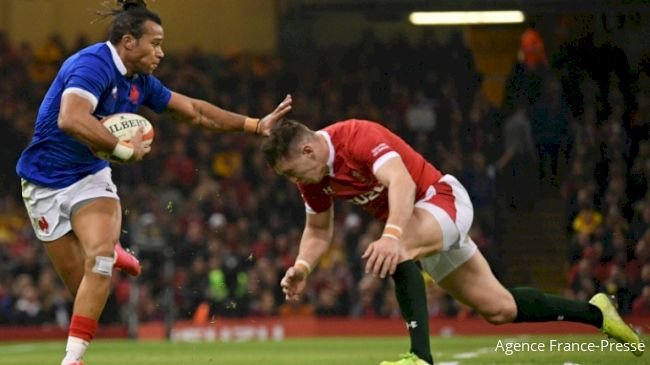
A normal rugby game is 80 minutes long, divided into two 40-minute halves with a short break in between.
Ever wondered how much time is spent on the field during a match? It’s a common question, especially if you’re new to the sport. Understanding the timing is key to following the game. So, let’s address the question of how long is a normal rugby game directly.
The standard game clock ticks for 80 minutes. This period excludes stoppage time. A halftime break is also included but it is brief. This knowledge helps anyone follow along the game with ease.

How Long is a Normal Rugby Game?
Okay, so you’re curious about how long a rugby match actually lasts? That’s a great question! It’s not quite as straightforward as saying “it’s exactly this long,” because there are a few different things that can affect the total time. But don’t worry, we’ll break it all down for you nice and easy, like a smooth pass to the wing. We’ll cover the standard playing time, the reasons for extra time, and even look at different types of rugby games to see how they might differ in length. So, let’s get started and explore the exciting world of rugby game time!
The Standard Rugby Match Length
The most common type of rugby you’ll see, often called Rugby Union, usually has a set playing time of 80 minutes. That’s the backbone of how long a match is scheduled to be. But, these 80 minutes aren’t just one long stretch of play. They’re divided into two halves, each 40 minutes long, with a break in the middle. It’s like a halftime show in other sports, but here we call it, well, halftime.
Halftime Break
The halftime break in rugby is usually about 10 to 15 minutes long. This gives the players a chance to catch their breath, rehydrate, get some advice from their coaches, and then get ready for the second half. It’s an important part of the game, not just for the players’ physical needs but also for changing team strategies. This break also gives fans the time to get some refreshments and have a quick chat about the game.
What Causes Extra Time in Rugby?
Now, here’s where things can get a little tricky. While the standard play time is 80 minutes, a rugby match often goes beyond that. This extra time is called “stoppage time” or “injury time.” So, why does this happen? Let’s explore some of the reasons:
- Injuries: If a player gets hurt during the game, the referee will stop the clock while the player receives medical attention. The time spent tending to the injury is added to the end of the half.
- Scrums and Lineouts: Sometimes these restarts take a bit longer than expected, and if they are delayed the referee may add on some extra time to compensate.
- Substitutions: When players are switched out for fresh players, it does take some time and can be another reason for added time.
- Other Delays: There may be other small delays in a game such as equipment malfunctions, or discussions with the referee that can cause time to be added on.
Because of these factors, a rugby game might run for 85, 90, or even more minutes. It’s very rare that a game finishes within exactly 80 minutes! You’ll almost always see some extra time at the end of each half, especially the second half.
Variations in Rugby Game Length
Not all rugby is the same! Just like there are different types of soccer (or football!), there are also different forms of rugby, and these can have different game lengths. Let’s check out some of these variations:
Rugby Sevens
Rugby Sevens is a fast-paced and exciting version of the game. Instead of 15 players on each team like in Rugby Union, there are only 7 players. This makes the game much quicker. Here’s a summary:
- Regular Match: A regular Rugby Sevens game lasts for 14 minutes, divided into two halves of 7 minutes each.
- Halftime: The halftime break is much shorter, usually just a minute or two.
- Finals: In some major tournaments, the final games might be a bit longer, typically 20 minutes (two halves of 10 minutes) to add a bit more drama to the match.
Rugby Sevens games are shorter because the players need to cover more ground, and having fewer players on the field makes the game very high-energy. It’s a very popular version, especially in tournaments like the Olympics.
Youth Rugby
When younger people play rugby, the game lengths are typically shorter. This helps make the game safer and easier to manage for the kids. The age groups and rules vary depending on where the match is being played but some key points are:
- Shorter Halves: Game halves are shortened depending on age groups.
- Reduced Match Lengths: The total game time varies a lot, from 20 minutes total for very young players, up to 70 minutes for older youth players before they move into the adult game.
The aim in youth rugby is to help players learn the skills in an appropriate way. These shorter game times are also a great way for kids to keep learning the game without getting too tired or losing concentration.
Touch Rugby or Tag Rugby
Touch rugby and tag rugby are usually non-contact versions of the game, which are often seen in school games, or social games. They tend to be shorter, often less than 40 minutes total. Here’s some key points:
- Shorter Halves: Halves are usually 10 – 15 minutes long, depending on the match.
- Reduced Total Time: A touch rugby game can last between 20 and 30 minutes in total.
These non-contact versions are easier to pick up and play, meaning they don’t need the time it takes for full contact rugby.
Why are Rugby Game Lengths Different?
You might wonder why the different types of rugby have different playing times. There are a few main reasons:
- Player Safety: In youth rugby, having shorter games means that kids don’t get overtired, and are safer while playing.
- Player Fitness: The game speed is very high in Rugby Sevens, so the game length needs to be shorter due to the need to cover more distance for each player.
- Game Focus: Touch rugby is very popular as a social game and is quicker and easier to learn. The game length is more suitable for social players with time constraints.
Essentially, each type of rugby is tailored for the players and the goals of the game. Whether it’s focusing on skill development in youth rugby or promoting a fast pace in Rugby Sevens, the game lengths are designed to fit the specific purpose.
How to Track Time in a Rugby Game
If you’re watching a rugby game, it’s useful to know how time is being tracked. Unlike some sports, the game clock usually counts up. This is different from American football or soccer (football) where the clock counts down to zero. The referee keeps track of the total time and the clock is paused when there’s a stoppage, injury, or other delay.
Here’s a quick rundown:
- Running Clock: The clock starts at zero and counts upwards.
- Referee Control: The referee controls the time, stopping the clock when necessary and adding extra time as required at the end of each half.
- Visual Clocks: In most professional matches, there are big clocks on display for everyone to see.
This allows everyone, from the players on the field to the fans in the stands, to know how much time has been played and how much time remains in the game.
A Quick Table of Game Lengths
To help summarize, here’s a handy table that you can refer back to.
| Type of Rugby | Half Length | Halftime Length | Total Game Length | Typical Total time |
|---|---|---|---|---|
| Rugby Union | 40 minutes | 10-15 minutes | 80 minutes | 85-90+ minutes |
| Rugby Sevens (Regular Match) | 7 minutes | 1-2 minutes | 14 minutes | 14-16 minutes |
| Rugby Sevens (Finals) | 10 minutes | 1-2 minutes | 20 minutes | 20-22 minutes |
| Youth Rugby (Younger) | 10-15 minutes | 5-10 minutes | 20-30 minutes | 25-35 minutes |
| Youth Rugby (Older) | 20-35 minutes | 5-10 minutes | 40-70 minutes | 45-75+ minutes |
| Touch/Tag Rugby | 10-15 minutes | Few minutes or none | 20-30 minutes | 20-30 minutes |
This should give you a great overview of all the different types of rugby game lengths.
So, there you have it! A complete breakdown of how long a rugby game usually lasts. It’s not just a simple 80 minutes, but knowing about the different factors like stoppages and different types of rugby will make your rugby watching experience even more enjoyable. Now, you’ll be able to follow the game more closely, understand the flow of time, and enjoy every moment of the rugby action. Go ahead and share this with your friends who might be wondering about rugby game lengths too!
Bro Rugby is on another level 😱 #shorts
Final Thoughts
A standard rugby match lasts 80 minutes, divided into two 40-minute halves. There’s also a half-time break, usually 10-15 minutes long. In addition to these, referees add stoppage time for injuries or other delays, so matches often run slightly longer.
Therefore, when you ask, how long is a normal rugby game, the core playing time is 80 minutes. This doesn’t account for those extra minutes added on, making game length potentially varied.

