
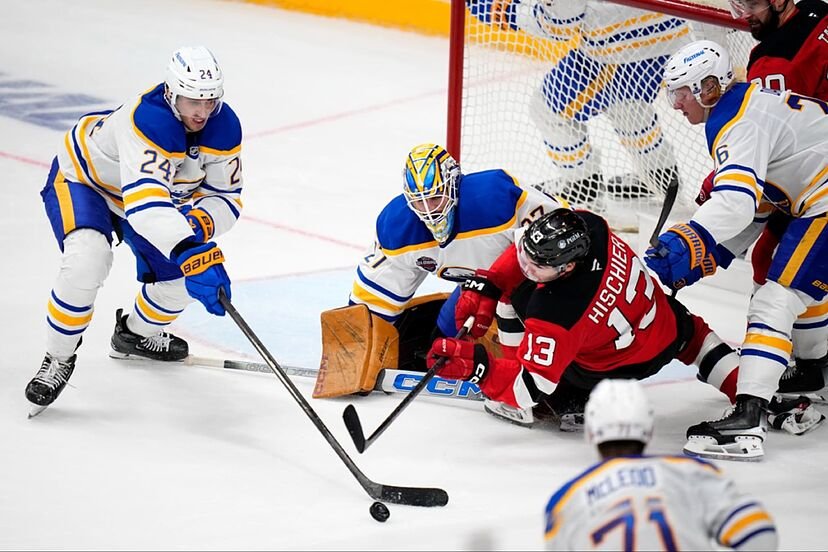
A standard pro hockey game is 60 minutes long, divided into three 20-minute periods.
Ever wondered how long is a pro hockey game? It’s a common question for new fans. The action on the ice seems so fast-paced, it can be hard to keep track.
Games aren’t played continuously, of course. The clock stops frequently for penalties, goals and intermissions, extending the total time. This makes the viewing experience even more thrilling.

How Long is a Pro Hockey Game?
Okay, so you’re wondering how long a professional hockey game lasts? It’s a great question, and the answer isn’t always as simple as saying “60 minutes.” While the clock does show 60 minutes of actual playing time, there’s much more to it than that. Let’s dive in and see everything that affects the total time it takes to watch a pro hockey game.
The Basics: Three Periods of Play
At the heart of every professional hockey game are three periods. Each period is exactly 20 minutes long. This 20-minute playing time is when the clock is running and the players are actively skating, passing, and shooting. So, if the clock ran straight through all three periods, it would be a total of 60 minutes, which is where the common “60 minutes” answer comes from. But of course, it’s not as straightforward as that because, just like a school day, there are breaks.
Intermissions: The Breaks Between the Action
After each of those 20-minute periods, there’s a break called an intermission. These intermissions are there for a few reasons. The players need to rest, the ice needs to be resurfaced (that’s when the Zamboni comes out!), and fans need time to stretch, grab a snack, or visit the restrooms. In professional hockey leagues, intermissions usually last 15 to 18 minutes. This means that the actual time between periods is quite substantial, adding a noticeable chunk of time to the total length of the game. These breaks are very important for keeping the game in top condition and allowing the players to play at their best.
The Stop-and-Go Nature of Hockey
Unlike some other sports, the game clock in hockey doesn’t always keep running. It stops every time the play stops. This is why a 20-minute period can actually take a lot longer than 20 minutes of real time to complete. Here are some of the reasons why the clock might stop:
- Penalties: When a player breaks a rule and gets a penalty, the clock stops. This gives the officials time to assess the penalty and place the offending player in the penalty box.
- Goals: When a goal is scored, the clock stops to allow the players to celebrate and allow the game to reset for a face-off.
- Puck Out of Play: If the puck goes out of play and the referee blows the whistle.
- Icing: If a team shoots the puck from behind their own goal line all the way down to the opposite goal line, without it being touched by another player, it’s called icing, and the clock stops for a face-off.
- Offsides: When a player enters the attacking zone before the puck, the play will be whistled off and the clock stops.
- Injuries: If a player is injured, the clock stops so they can receive medical attention.
- Timeouts: Each team has one timeout per game, and when a coach calls a timeout, the clock will stop.
All of these stoppages add to the total time of a hockey game, often substantially. The number of these stoppages will vary greatly from game to game. Some games might have a lot of penalties, and thus a lot of stoppages, while other games might have fewer. These stoppages make the flow of the game a bit stop-and-go and this means that games are very dynamic and exciting but also that games can take a while to complete.
Overtime: When Things Get Extra Exciting
What happens when the score is tied at the end of the three periods? That’s when the game goes into overtime! Overtime in professional hockey can be a little different depending on the league. The NHL (National Hockey League), for example, usually plays a 5-minute, 3-on-3 sudden-death overtime period during the regular season. In the NHL playoffs, however, overtime periods are 20 minutes long and they play full 5 on 5 until someone scores a goal. Sudden-death means the first goal scored wins the game. This means an overtime period could end very quickly, or it can go on for the whole 5 or 20 minutes, or sometimes even more overtime periods in playoff games. That will make it even more lengthy to finish the game, adding more to the total duration. Overtime makes the game even more exciting, but the most difficult part for viewers is to estimate the actual total time for games going into overtime.
The Total Time: Factoring it All In
So, when we consider all these things – the three 20-minute periods, the intermissions, and the stoppages – a typical professional hockey game usually lasts for around 2.5 to 3 hours. However, if a game goes into overtime, the total time can be even longer. There are even records of some playoff games lasting over four or five hours, going through multiple overtime periods! The variations in stoppages, penalties, and how long it takes for goals to be scored will all influence the total length of the game.
Factors That Can Influence Game Length
Many factors can play a part in how long a hockey game might take. Here are some examples:
Number of Penalties
A game with lots of penalties will take longer because the clock stops every time there’s a penalty. Referees must stop the game to determine the penalty, explain it to the penalized player, and then make sure he or she goes to the penalty box. Penalties also result in power-play situations that can lead to more shots on goal and more stoppages.
Number of Goals
When goals are scored, the clock stops. More goals means more stoppages, and this adds to the overall length of a game.
Number of Injuries
Unfortunately, injuries happen in hockey. When a player is hurt and needs medical attention, the game clock stops and can take a substantial amount of time, which impacts the overall duration.
Referee Decisions
Sometimes there can be reviews of certain plays, like when a goal is disputed. These reviews require the clock to stop and can add time to the game. The longer and more complex the review is, the more it will add to the game’s duration.
Playoff Hockey
Games during the playoffs can be longer because of the added intensity and importance of each game. Playoff games can often have more penalties and stoppages. Overtime in the playoffs is also longer, meaning the game could last significantly longer if it goes into overtime. These games can take longer than regular season games.
Differences Across Leagues
While the basic structure of three 20-minute periods is standard across most professional leagues, there can be some subtle differences in how the games play out.
NHL (National Hockey League)
The NHL is the top professional hockey league in North America. Games generally follow the format we’ve discussed: three 20-minute periods with 15-18 minute intermissions. Overtime in the regular season is 5 minutes of 3-on-3 sudden death, while in the playoffs it’s 20-minute periods of 5-on-5 sudden death. Games typically last around 2.5 to 3 hours, although playoff games can go longer.
AHL (American Hockey League)
The AHL is the primary developmental league for the NHL. Its game format is very similar to the NHL, with three 20-minute periods and similar intermission lengths. The overtime rules in the AHL, like the NHL, are a 5-minute, 3-on-3 format in the regular season and a 20 minute 5-on-5 sudden death in playoffs. Game lengths in the AHL are generally very similar to the NHL.
International Hockey
International hockey, like the IIHF World Championships or the Olympics, generally follows similar rules. There are three 20-minute periods and similar intermission times. The overtime rules can differ slightly from the NHL, but the general game length is usually about the same as the NHL and AHL.
Why Does It Matter?
Knowing how long a hockey game might last can help you plan your day if you are planning to watch the game live or on TV. If you’re going to the arena, you might need to think about travel time and how late you will be out. If you’re watching on television, you’ll know when to settle in for the game. Understanding the different variables that affect the game time, like penalties, goals, and stoppages, can also help you be more aware of what is happening during the game. The added element of overtime periods makes the game even more exciting but will surely increase the total game time. So, while the game is only supposed to be 60 minutes of playing time, there is much more to it than that and this can help fans to be more comfortable in their game-watching experience.
A Quick Summary Table
To make it easier to remember, here’s a little summary of a typical pro hockey game’s timeline:
| Part of the Game | Typical Duration |
|---|---|
| First Period | 20 minutes (playing time) |
| First Intermission | 15-18 minutes |
| Second Period | 20 minutes (playing time) |
| Second Intermission | 15-18 minutes |
| Third Period | 20 minutes (playing time) |
| Overtime (if needed) | 5 minutes (regular season) or 20 minutes (playoffs) (sudden death) |
| Total Game Time (estimated) | 2.5 to 3 hours (can be longer with overtime) |
So, next time you sit down to watch a professional hockey game, remember it’s more than just 60 minutes on the clock. It’s a combination of playing time, breaks, and maybe even an overtime thriller! Knowing this, you can plan for a great time, no matter how long the game might take. Enjoy the excitement of hockey!
The Rules of Ice Hockey – EXPLAINED!
Final Thoughts
A professional hockey game typically runs for 60 minutes of play, divided into three 20-minute periods. Intermissions between periods add to the total time. These breaks allow players to rest and teams to strategize.
The clock stops during gameplay for penalties and puck stoppages. Therefore, how long is a pro hockey game, including these delays and intermissions, usually stretches to about 2.5 to 3 hours. The extra time depends upon penalties, replays and other stoppages that happen.

