
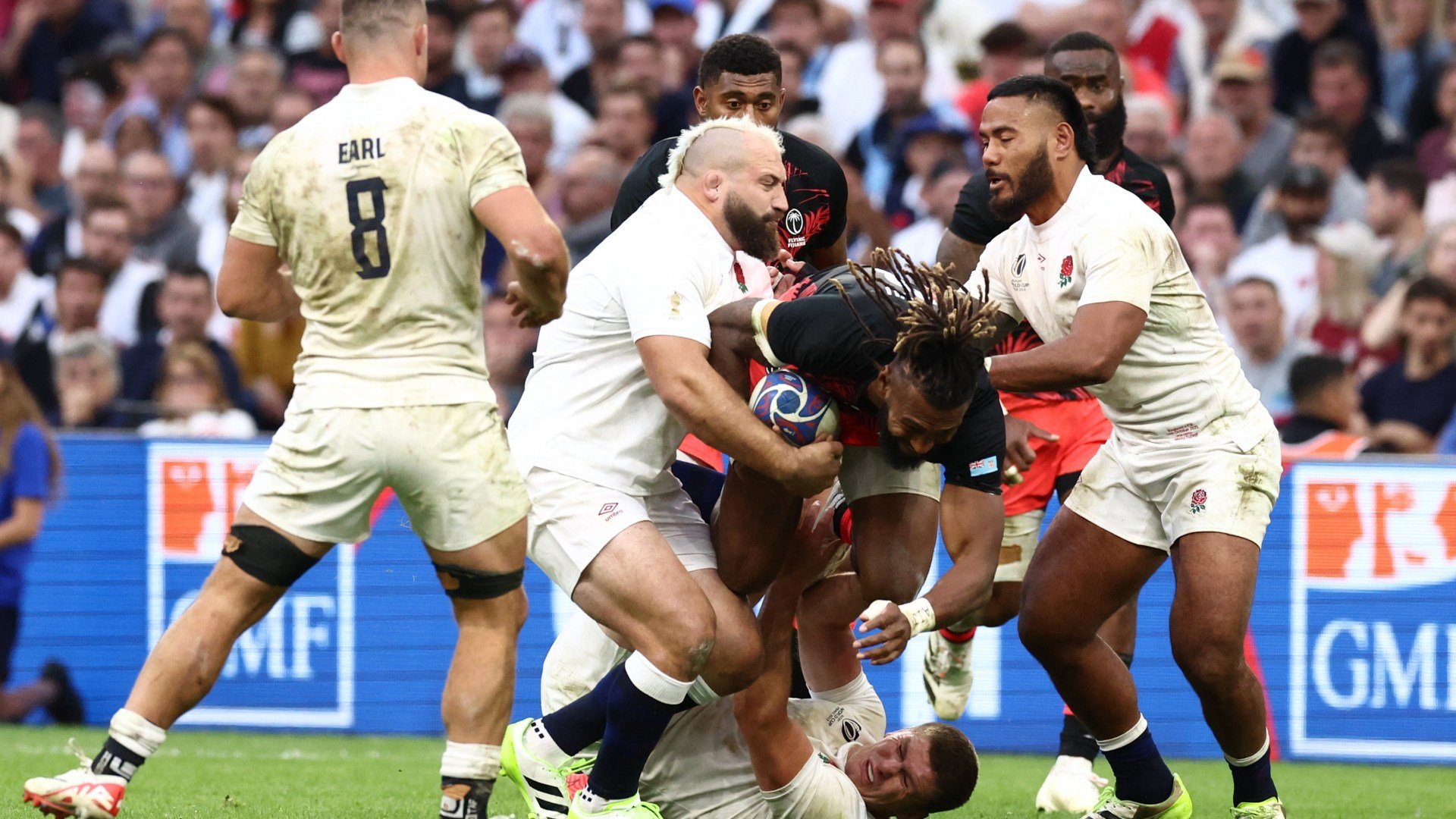
A professional rugby game lasts 80 minutes, split into two 40-minute halves with a halftime break.
Ever wondered exactly how long is a professional rugby game? It’s a question many newcomers to the sport often ask, and even some seasoned fans might need a reminder now and then. The action-packed nature of the game can sometimes make time fly.
Games typically run for 80 minutes, though this is just the playing time. There is also an interval to allow players to catch a break and team coaches to revise match tactics.
Knowing the duration helps understand the rhythm of the contest, and what to expect when watching a match. This includes any potential stoppage time added by the referee.

How Long is a Professional Rugby Game?
So, you’re curious about how much time it takes to watch a professional rugby match? That’s a great question! Unlike some other sports with fixed times, rugby has its own rhythm and rules when it comes to game length. While the standard length seems straightforward, things can get a little more involved with breaks and stoppages. Let’s dive into the details and explore exactly how long you can expect to be cheering on your favorite team.
The Standard Game Time: 80 Minutes
At its core, a professional rugby union game lasts for 80 minutes. This is the official playing time, divided into two halves of 40 minutes each. Think of it like two 40-minute periods of action, separated by a break. This 80-minute structure is consistent across most professional rugby competitions worldwide, from the Gallagher Premiership in England to the Super Rugby competition in the Southern Hemisphere, and of course, international matches such as the Rugby World Cup. It’s the foundation for how rugby matches are timed, setting the stage for the entire contest.
Halves: Two 40-Minute Periods
As we said before, the 80-minutes of rugby action is divided into two halves. Each of these halves is a straight 40 minutes of play. The clock starts when the referee signals the beginning of the half, and it stops only when there’s a significant pause in play, or when the half ends. This means it’s not like some other sports where the clock continuously runs. The focus is on the active game time. This also means that every second is important as all the teams try to dominate during those 40 minutes.
The Half-Time Break: A Brief Respite
After the first 40 minutes, there’s a mandatory half-time break. This break usually lasts around 10 to 15 minutes. It’s a time for players to catch their breath, receive tactical adjustments from their coaches, and maybe grab a quick drink. For spectators, it’s a chance to stretch your legs, grab some snacks, or discuss the game with your friends. The half-time is vital to both players and spectators as it provides some much needed down time.
Understanding Stoppages and Injury Time
One of the reasons why a rugby match may seem to take longer than 80 minutes is the many stoppages that occur during the game. There are several kinds of these stoppages. When we consider time lost due to stoppages, that’s where the actual time of the match may extend beyond the 80-minute clock. This “extra” time is often called injury time, or stoppage time.
Types of Stoppages
Rugby games can be a very fast and physical sport, so stoppages are bound to happen. These can occur for various reasons and each reason can add time to the game.
- Injuries: If a player gets hurt on the field, play stops to allow medical staff to attend to the injured player. The length of time depends on the severity of the injury, and how much time it takes to assess the player.
- Scrums: When a scrum is called, there is a period of set-up that takes time. These are a core part of the game. Scrums are often a restart mechanism. So the scrum time is included in the game duration.
- Lineouts: Similar to scrums, lineouts also take time as teams organize their positioning before the ball is thrown in.
- Penalties and Free Kicks: When a penalty or free kick is awarded, the clock stops. This allows the team time to set up their attack and take a kick.
- TMO Review: The Television Match Official (TMO) can review some incidents. This review can add extra time, especially for close calls such as a potential try.
- Conversions: If a try is scored, the scoring team takes time to attempt a conversion kick. This short period adds to the stoppage time.
- Substitutions: When a player needs to be replaced, that also takes time for the substitution to take place.
How Stoppages Impact Total Game Time
All these types of stoppages are essential to the flow of rugby. These stoppages have a big impact on the total duration of a match. Although the actual play is 80 minutes, all these additional elements mean that a rugby match often lasts much longer than that. On average, a professional rugby game might last between 90 and 100 minutes, from the start of the first half, to the final whistle. It’s always difficult to determine exactly when a game will finish because the amount of stoppage time can fluctuate greatly between games, depending on what is happening on the field.
Variations in Game Length
While the standard 80-minute game is the most common, some variations exist in rugby, particularly within youth rugby or special tournaments. These alterations often aim to cater to different age groups and skill levels.
Youth Rugby
In youth rugby, game times are often shortened to ensure safety and keep kids engaged. The younger the age group, the shorter the game. Here’s a general idea of how game length varies in youth rugby. Keep in mind that specific rules may vary depending on the region and the rugby union.
- Under 7s and Under 8s: These games often consist of four quarters of 10 minutes or shorter.
- Under 9s to Under 12s: You’ll usually find games divided into halves of 20 to 25 minutes, depending on the specific competition.
- Under 13s to Under 16s: The match time tends to increase to two 30 or 35 minute halves, gradually preparing them for the standard game length.
Other Variations
There can be some additional variations in rugby match length. These are the exception, rather than the norm.
- Sevens Rugby: Sevens rugby, played with seven players on each side, has much shorter game times. A typical Sevens match consists of two seven-minute halves, with a short break in between. Some tournaments may have longer finals that last for two 10-minute halves.
- Friendly Matches: Occasionally, for friendly or exhibition matches, the playing time can vary to fit the event format. This is mostly in less serious matches, or for particular events.
- Extra Time in Knockout Stages: In knockout tournaments or finals of competitions, a draw after regulation time can result in additional periods of extra time until a winner emerges. This often involves two 10-minute halves, or until the first score occurs (golden point).
The Role of the Referee
The referee plays a big role in how the game is timed. They are the timekeepers and are in control of stopping and starting the clock. The referee is responsible for accurately tracking the time and ensuring that only playing time is counted. The referee also accounts for any stoppages and adds that to the end of each half to create the appropriate amount of stoppage time. The referee’s role as a timekeeper is critical to maintain fair play and ensure all the time is played.
How Referees Manage Stoppage Time
During any stoppage of play, the referee stops the clock. They will then track how much time has been lost, and at the end of the half, they will add this time on. It’s important to note that this added time may not be exact; the referee often has to make a judgment based on the total stoppage time and how it impacts the flow of the game. This process ensures that teams don’t gain an unfair advantage by deliberately causing stoppages and that the allocated playing time is completed. The addition of injury time or stoppage time at the end of each half is entirely down to the decision and judgement of the referee.
Summary of Key Timing Aspects
To make it all a bit clearer, here’s a quick summary of everything we’ve discussed.
- Standard Game Length: 80 minutes, divided into two 40-minute halves.
- Half-Time Break: Usually 10 to 15 minutes.
- Stoppage Time: Time added at the end of each half to compensate for stoppages.
- Total Game Duration: Generally ranges from 90 to 100 minutes, including stoppages.
- Youth Rugby: Varies significantly, with much shorter games based on age groups.
- Sevens Rugby: Shorter games with two 7-minute halves.
- Referee’s Role: Manages the clock, accounts for stoppages, and adds stoppage time.
Understanding the total time of a rugby match, including all of these factors, is all part of enjoying the game. While a rugby match might have a standard playing time of 80 minutes, the additional elements of stoppages and halftime makes each match unique.
How to Play Rugby
Final Thoughts
A professional rugby game lasts 80 minutes, divided into two 40-minute halves. There’s a halftime break, usually 10 to 15 minutes. Additional time gets added for injuries or other stoppages, making the actual duration variable.
Therefore, the quick answer is: how long is a professional rugby game? The core playing time equals 80 minutes, but games commonly run longer because of added time. Always factor in the stoppages when calculating a game’s total duration.

