
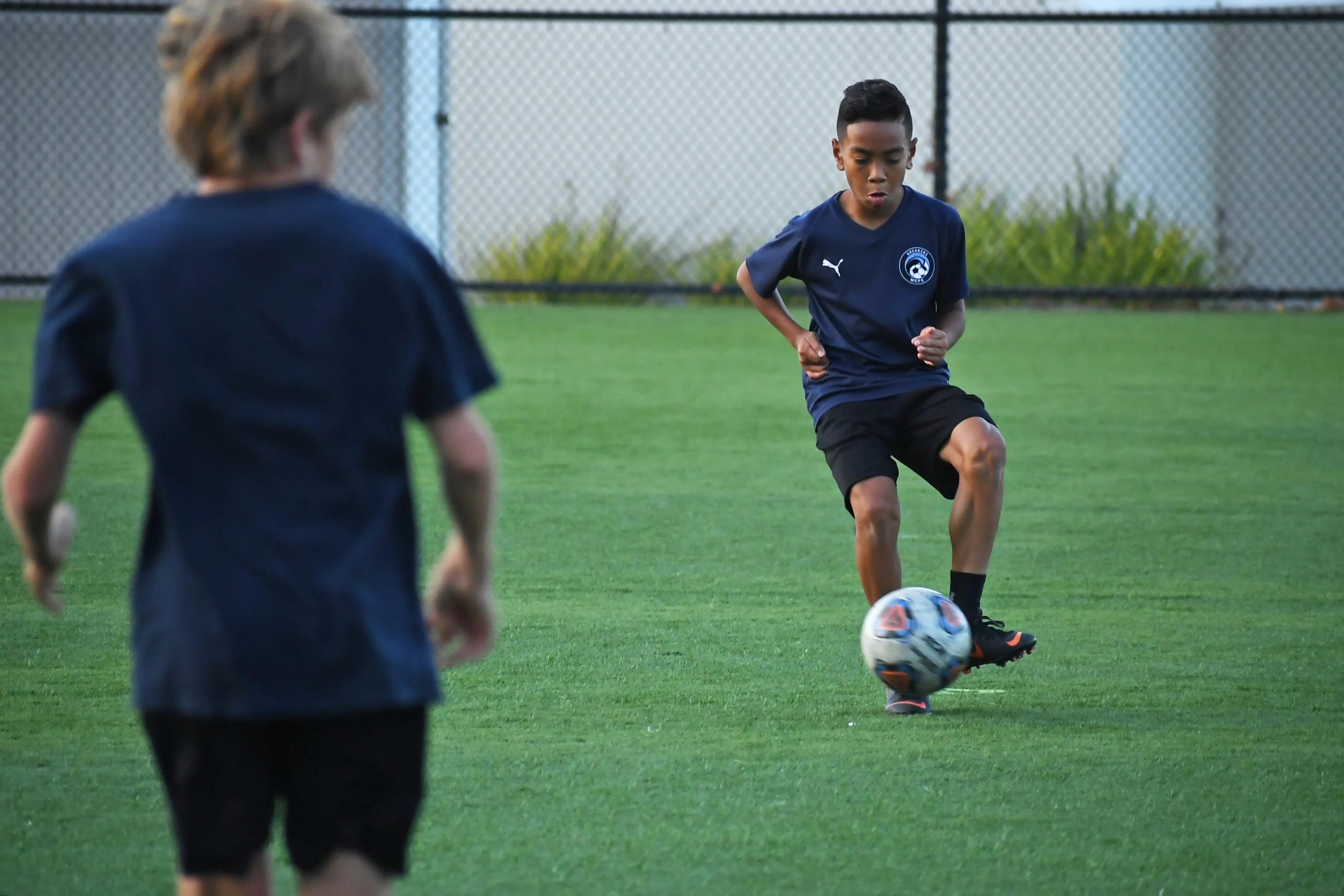
A soccer game for 10 year olds typically lasts 60 minutes, divided into two 30-minute halves with a short break in between.
Curious about how long the kids are actually on the field? Well, that question of how long is a soccer game for 10 year olds is common for parents new to the sport. The game length changes based on age.
Understanding this is crucial for planning your family’s weekend and knowing when to expect your little soccer star to finish playing. Games for younger kids are often shorter, focusing on participation and fun.

How Long Is a Soccer Game for 10 Year Olds?
So, you’re wondering how long a soccer game lasts for a 10-year-old? It’s a great question, and the answer isn’t quite as simple as saying “exactly this many minutes.” It varies based on different leagues and organizations. But don’t worry! We’re going to break down everything you need to know about game length for this age group. We’ll look at the typical durations, what influences game time, and why those particular lengths are chosen. Let’s kick things off and explore the world of youth soccer game timing!
Standard Game Length for 10-Year-Olds
For most 10-year-old soccer players, a standard game isn’t quite the same length as what you’d see on professional TV. The most common timeframe falls into two halves, which usually last somewhere between 25 and 30 minutes each. This means the total playing time for a match is usually around 50 to 60 minutes. Let’s dive a little deeper into why the games are set at this duration.
Understanding Halves and the Half-time Break
The game is divided into two parts, or “halves,” to make it easier for young players. Instead of playing continuously for an hour, they get a break in the middle. This halftime break is essential, giving the kids time to rest, rehydrate, and listen to their coach’s instructions. Halftime usually lasts around 5-10 minutes. This short pause helps keep the players energized throughout the whole game. Think of it as a little reset button for their bodies and minds. This method ensures that kids don’t tire themselves out too quickly, allowing them to have fun and perform at their best.
Why Not Longer Games?
You might be wondering why games aren’t longer. There are several excellent reasons for this. Ten-year-olds are still developing both physically and mentally. Longer games could lead to fatigue, making them more susceptible to injuries. Shorter game durations help maintain a good balance between exercise and the capacity of the kids. It’s also worth considering that maintaining focus for an hour is challenging for many at this age, and that’s without all the running and excitement involved in a soccer match. Short, sharp games allow players to put in maximum effort and enjoy their experience more.
Factors That Influence Game Time
While the 50-60 minute range is common, some factors can affect the exact duration of a game. Let’s consider some reasons why a soccer game for 10-year-olds may differ in length.
League and Organization Rules
Different soccer leagues and organizations have their own rules regarding game duration. For instance, a local recreational league might set a slightly shorter game time than a more competitive regional league. The guidelines are usually based on player development goals and safety. Before the season begins, make sure to check with your local league to understand their specific guidelines. It is usually found on their website or in the rule book. Knowing the game’s standard timeframe beforehand helps in better planning and preparation.
Travel Time and Tournament Formats
The length of a soccer game can also be influenced by the event type. When it comes to tournaments, you might see some variation in the game length. Sometimes, if teams are playing multiple games in one day, the games will be slightly shorter than usual to avoid excessive fatigue. Similarly, if travel time is a factor, some adjustments may be made. For example, if teams are traveling long distances to attend a game or tournament, the overall time commitment should also be considered. The organizers might adjust game length to fit the travel and tournament schedules more conveniently, making the event easier and comfortable for all teams involved.
Weather Conditions
Yes, the weather can have an impact on the game’s duration! When games are played in very hot weather, some organizers may decide to shorten game times to avoid heat-related health problems. Similarly, if there’s a very heavy downpour, the game may be shortened or delayed. The safety of the players is the primary concern, so officials will make decisions to keep everyone safe and comfortable. In situations with extreme weather, they may also include additional water breaks to ensure hydration, which will also lengthen the time a soccer match goes on.
The Developmental Stage of Players
While most 10-year-olds play within the same timeframe, organizers often consider that within that age group, the players have various levels of development. Players who have been training for a longer period or those who participate in higher-level leagues might have longer game durations than those with less experience or those in recreational settings. The reasoning behind this is that higher-level players may have greater endurance levels, and therefore can cope with slightly longer game times. This approach is designed to match game time with players’ skill, experience, and overall fitness levels.
Why Short Game Length is Beneficial
It’s very clear why keeping the game lengths shorter for 10-year-olds is important and beneficial. Let’s go through the main advantages.
Maintaining Player Focus and Engagement
At this age, it’s often hard for kids to keep their attention for extended periods. Shorter game times help the kids stay focused, because they are not overwhelmed. When the game is shorter, the players are more likely to be attentive, alert, and engaged throughout. This helps them perform better during the match, rather than getting distracted or bored. Also, they are more likely to be fully present in what’s happening and to fully enjoy the entire match.
Preventing Player Burnout
Playing for a shorter time prevents burnout, which is very important for the kids. Kids can get exhausted easily both physically and mentally, especially with the high energy output involved in playing soccer. When games are short, kids enjoy the experience and come back with enthusiasm for the next one. By keeping game times shorter, coaches and organizers ensure that the kids keep a positive attitude about the game, preventing them from being discouraged and giving up.
Safety Considerations and Injury Prevention
When games are shorter, the risk of injuries is reduced. Fatigue is one of the main factors that contribute to injuries. When the players are tired, they are more likely to have lapses in their concentration, and may make mistakes, increasing their chances of getting injured. Shorter game times decrease physical strain and help keep the players safe on the field. Organizers and coaches understand that safety is the most important consideration. So, game lengths are adjusted to reflect that.
Encouraging Skill Development
Shorter game durations help players develop their skills more effectively. Instead of getting tired and having their focus reduced in the latter stages of a longer match, they can apply their skills at their best throughout the game. With more focused gameplay, coaches have a better chance to provide real time guidance and feedback that players can understand and use. This approach leads to faster learning, and the players see progress in their game more easily. These short, intensive games also encourage players to make the most of the playing time and really put their best efforts forward.
Promoting Fun and Enjoyment
Ultimately, soccer should be fun for kids. When games are kept to an appropriate length for their age group, they’re more likely to be able to make the most of the game. It is also more likely that they will be excited to come back and play more games. It’s essential that youth soccer is enjoyable, not a tiring and daunting task. Shorter games help children have a positive experience, which encourages a lifelong love for sports and activity. The main goal is to let children have a happy and memorable soccer experience so they stay engaged and enjoy playing the game.
What to Expect on Game Day
Now that you know how long a typical game lasts, let’s talk about what you can expect on game day.
Pre-Game Warm-Up
Before the actual game starts, there will be a warm-up period. It’s very important for the kids to warm up properly before they play. This usually involves light jogging, stretching, and some ball work. The warm-up typically lasts for around 15-20 minutes. This is essential to get the players ready for the activity they are about to do. A good warm up helps to prevent injuries by making sure that the muscles are ready to go.
Game Structure
During the match itself, the game will be divided into two halves with a break in between. As mentioned, each half will usually last between 25 and 30 minutes. When half-time is over, the two teams switch sides of the field. This is to ensure that each team gets the same amount of time going in each direction. After the game, coaches may have a short chat with the players, discussing what went well and things to work on in future practices.
Post-Game Cool-Down
After the match is over, it’s a good idea for the players to cool down. Usually this involves some light stretching and walking around for a few minutes. The cool-down helps to bring the players’ bodies back to a resting state, which is very important for injury prevention and recovery. By cooling down properly, they are getting ready for the next practice or match, and also helping to relieve any potential muscle soreness.
Making the Most of Game Day
To ensure a positive experience for everyone, it’s good to know how to make the most of game day.
Arrive on Time
It’s important to arrive on time for games. This ensures your player has plenty of time to warm up and get prepared. Arriving too late can cause stress for your child and also disrupt the team’s rhythm. Plan to arrive at least 30 minutes before the game starts, to avoid any undue pressure and ensure your child is calm and ready to go.
Be Supportive and Encouraging
As a parent or a guardian, your role is to offer support and encouragement. Be supportive of all the players on the team and show positive sportsmanship. It’s important to encourage their effort and hard work, no matter the outcome of the game. Positive reinforcement is very important at this age, and it greatly helps in building confidence and character in your child.
Focus on the Fun
Remember, it’s all about having fun! The games should be seen as an opportunity for your kids to learn and grow as players. Try not to get too caught up in the winning and losing aspect of the game. Instead, encourage your player to have fun, stay active, and make friends. When the kids are happy and enjoying themselves, they are more likely to play well, and learn more from the experience.
In summary, a soccer game for 10-year-olds generally lasts around 50-60 minutes, typically split into two 25-30 minute halves. This time frame is designed to be age-appropriate, keeping them engaged, safe, and having a good time while learning valuable skills. Understanding the game’s structure and time allows parents, guardians and young players alike to make the most of the soccer experience.
SOCCER for Kids | Basic Rules | Episode 1
Final Thoughts
A typical soccer game for 10 year olds lasts around 60 minutes. This time is often divided into two 30-minute halves. There can be a short break at halftime.
However, some leagues or tournaments might adjust these durations slightly. The exact game length could vary. Check specific rules of the competition before the match.
Therefore, how long is a soccer game for 10 year olds typically is one hour but can be shorter in some events. Always confirm the precise duration with organizers.

