
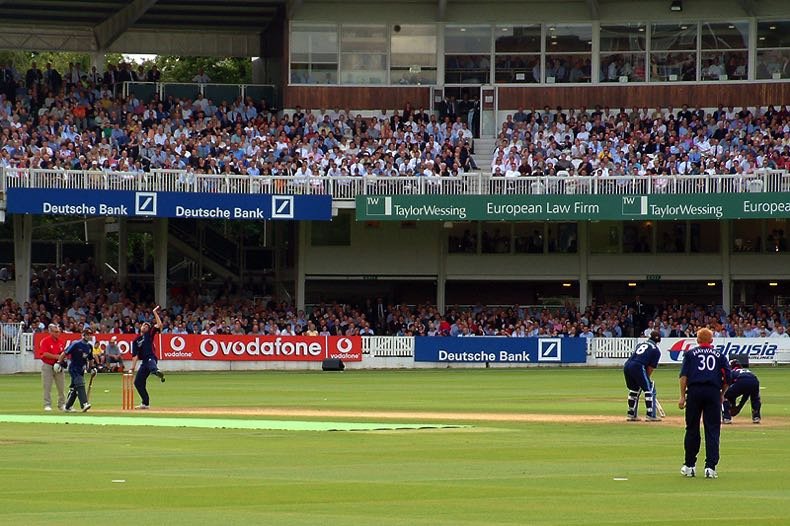
A T20 cricket game typically lasts around three to three and a half hours.
Ever wondered how long is a t20 cricket game? It’s a question many new fans have, and it’s quite different from a full day of test cricket. The shorter format is designed for fast-paced action and a complete match within a manageable time frame.
This quick nature makes it perfect for those looking for exciting cricket without committing to an entire day. The concise duration of T20 cricket brings high intensity and entertainment.

How Long is a T20 Cricket Game?
So, you’re curious about how long a T20 cricket match lasts? That’s a great question! T20 cricket, known for its fast pace and exciting action, has become incredibly popular around the world. Unlike its longer counterparts, Test matches and One Day Internationals (ODIs), T20 is designed for a quick and thrilling experience. Let’s dive into the details to understand the typical duration of a T20 game and what factors can influence its length. We’ll break down the innings, breaks, and potential delays to give you a complete picture of the time commitment you’re looking at when tuning in to a T20 match. We want to make it easy for everyone, even those new to cricket, to grasp the timing of this energetic format.
The Core Structure of a T20 Match: 20 Overs per Side
The most fundamental aspect of a T20 game is the 20 overs that each team gets to bat. “Overs” in cricket are groups of six legal balls bowled by a bowler. So, in a standard T20 match, each team will face 120 deliveries, maximum. That’s a big change from a Test match where they could play for five whole days, or an ODI where each side get 50 overs. This limitation on overs is what makes T20 cricket so thrilling. Every single ball can make a huge difference! The fast pace keeps the excitement high as batsmen look for every opportunity to score big runs quickly.
Understanding the Innings
A T20 game is split into two innings. First, one team bats for their allotted 20 overs, scoring as many runs as they can. Then, the other team comes to the crease to bat, trying to chase down the score set by the first team, also in a maximum of 20 overs. The team that scores more runs in their 20 overs wins. In the second innings, if the second batting team scores enough runs to surpass the first team’s total, they win before their 20 overs end. This format keeps spectators at the edge of their seats as every ball has potential implications for the final score. Remember, the number of overs and the objective to win within those overs make a T20 match what it is: short, sweet, and action-packed!
The Break Between Innings
After the first team finishes batting, there is a break before the second team begins their innings. This break, commonly known as the innings break or changeover, is typically a short period of 10 to 20 minutes, depending on the regulations of the tournament or the venue. This pause gives players time to strategize, hydrate, and prepare for the next phase of the game. It’s also a chance for the groundskeepers to do a little work and for the audience to grab a snack or chat about the first innings. The innings break ensures that both teams have a fair opportunity to prepare for their respective tasks.
Average Duration of a T20 Cricket Match
Now, let’s get to the main question: how long does a T20 match actually last? While the rules of the game dictate 20 overs per innings, the actual length of a match can vary slightly. On average, a typical T20 cricket match, including the innings break, takes about three to three and a half hours to complete. This estimated duration provides a good baseline for those planning to watch a T20 game either live at the stadium or on television.
Breaking Down the Time: Per Innings
Each innings of 20 overs is expected to take about 90 minutes, roughly. This time frame includes not just the time when the bowler is running in to deliver the ball, but also the time taken for the bowler to return to his mark, fielders moving positions, strategic discussions, and stoppages for any other issues. While it might seem like a lot of waiting between the ball being bowled, these small breaks are essential for the players. They allow teams to adjust to the unfolding game situations, and it provides a buffer so the cricketers don’t get exhausted, as they are running for almost 3 hours, continuously. Let’s not forget the time used to change over batters and the occasional injury or delay. All those small moments contribute to how the time frame of a match adds up.
Adding the Innings Break
As we’ve mentioned, the break between the two innings typically lasts for 10 to 20 minutes. So, when you include this break between the two innings into the overall match duration, this increases the overall time spent watching the match. It also gives everyone a moment to catch their breath, take stock of the game, or grab a cup of coffee.
Factors That Can Impact the Length of a T20 Match
While the average length of a T20 match hovers around three to three and a half hours, several factors can cause games to run shorter or longer than this average. These variances ensure that no two matches are quite the same, adding to the unpredictable excitement of the game.
Weather Delays
One of the most significant influences on the duration of a T20 game is the weather. Rain, in particular, can lead to significant delays, or even force the game to be shortened or postponed completely. If rain interrupts the match, play stops and the ground staff will cover the pitch and outfield, while everyone waits for the weather to clear. The length of the delay will depend on how much rain has fallen and how quickly the ground can be prepared for play to resume. Sometimes, even if the rain stops, there can be puddles on the outfield that need time to clear. The delay in games can sometimes extend to hours. The Duckworth-Lewis-Stern (DLS) method is often used to calculate a revised target if rain shortens the number of overs in a game, but we’ll get into that in more detail below.
Injuries and Medical Stoppages
Unfortunately, injuries are an unavoidable part of any sport, and cricket is no exception. If a player gets injured during a match, play is stopped so that they can receive medical attention. The length of this stoppage depends on the severity of the injury. Sometimes, it’s a quick stop and play can resume in a few minutes, other times, if the injury is serious, it could involve lengthy assessment and treatment. This, inevitably, impacts the overall time it takes to finish a T20 match. These breaks are essential to prioritize the well-being of the players.
Slow Over Rates
Cricket rules require each team to bowl their overs within a reasonable time frame. This is to ensure that games do not drag on longer than they should, because too slow play can make the game boring for the audience. Teams are penalized with fines and fielding restrictions if they consistently bowl their overs too slowly. Despite these attempts to keep the games moving at a reasonable speed, some teams will always try to take a little longer between overs to try to get an edge over their opponents, and this can add time to the match’s overall duration. The umpire usually keeps an eye out for a slower rate of overs, and will let the captain know if this is happening. It’s a delicate balance between being strategic and keeping things moving.
Strategic Time-Outs
In certain leagues and tournaments, strategic time-outs have been implemented as a way to provide a pause for teams to regroup and discuss their game plans. These time-outs, usually lasting just a few minutes, give teams a moment to re-strategize. Though they are only a few minutes, they will add a little bit to the total time of the match, and they are a part of the overall T20 match experience. The number of strategic time-outs and their duration can vary by the competition or league being played.
Other Minor Delays
Various other minor delays can also contribute to the overall length of a T20 game. These might include, but are not limited to, replacing a damaged ball, a boundary being moved, or even things as random as a bird flying onto the pitch. Although they might seem insignificant in isolation, they add up to the overall time the match takes. It is also usual for some of the ground staff to be making minor adjustments during the breaks between overs or at the end of an innings. All these contribute to the general flow of a match.
Variations in Match Length: What Affects It?
Understanding what impacts a T20 game’s duration beyond the standard rules is important to managing expectations. Let’s take a look at some specific situations that can change the expected game duration.
The Impact of Rain on Match Length and the Use of DLS
As we touched on, rain has a significant impact on the length of a T20 match. When rain interrupts play, the game may be shortened, or the target for the chasing team may be recalculated using the Duckworth-Lewis-Stern (DLS) method. The DLS method is a mathematical algorithm that adjusts the target score for the team batting second when a match is interrupted by weather. The DLS method factors in the number of overs lost, and the resources still available to the teams (the remaining overs and the remaining wickets). The DLS method aims to make the match fair to both sides. When a game has a DLS calculation applied to the second innings target, it usually results in the second innings being shortened, and the game will not last as long as originally intended.
Super Overs: When a Match Ends in a Tie
Sometimes, a T20 game can end in a tie, where both teams have the same number of runs after both innings have been completed. When this happens, a super over is used to decide a winner. A super over is an additional one-over mini-inning that each team bats for, after a game ends in a tie. The team that scores the most runs in their super over wins. In case of a tie in the super over, another super over can be played until a winner is decided. A super over adds some unexpected extra time to the match, usually about 20 – 30 minutes, it adds another mini exciting contest to the overall match experience. It’s an extra burst of excitement for the fans, and a chance for the teams to show their best again.
T20 Cricket Versus Other Cricket Formats
To fully appreciate the length of a T20 game, it’s helpful to compare it to the other formats of cricket.
T20 vs. One Day International (ODI)
An ODI match is played over 50 overs per side, and usually lasts for about 8 hours. This makes it significantly longer than a T20 game. The pace of an ODI is usually slightly slower than a T20 match, although both are considered limited over games. This is because the batsmen in ODIs don’t have to be as aggressive as they are in T20 matches, as they have more time to build their innings. T20s are designed for quick entertainment, whereas ODIs provide a middle ground between the shorter T20 format and the much longer Test format. If you want a full day’s worth of cricket, an ODI is perfect for you, but if you prefer shorter and more action-packed cricket, T20 is a great choice!
T20 vs. Test Cricket
Test cricket is the longest form of the game. It’s played over a maximum of five days, with each day consisting of three sessions of play with multiple breaks. This can add up to around 30 hours of cricket in total, though in reality, most test matches are finished before the fifth day. In a Test match, each team gets to bat twice. Each innings is not limited to a set number of overs. Unlike the short time frame of a T20 match, the goal of a Test match is to test the skills of players across all areas, including batting, bowling and fielding. T20 cricket is designed to be a short, thrilling experience, while Test cricket is designed to challenge the players’ patience, concentration and stamina across a longer timeframe.
Practical Implications for Viewers and Spectators
Understanding the typical length of a T20 cricket game is useful for anyone planning to watch one, whether they are tuning in from home or heading to the stadium. Here are a few tips to make your match experience better:
- Plan Your Time: When a T20 match is on, factor in that the match is likely to last around three to three and a half hours. Consider the potential for a rain delay, a super over, or any other factor that may add to the overall time of the match.
- Stay Hydrated: If you’re watching the match in person, make sure you stay hydrated, because sitting and watching a game for multiple hours under the hot sun can be draining. You should also make sure that you have sun protection, if the game is during the daytime.
- Bring a Snack: When watching matches, having some snack available with you can also be quite beneficial, especially during the long innings and breaks.
- Stay Informed: Follow the social media accounts of the cricket game that you are watching and listen to commentators as they often provide updates of any time changes or delays.
- Be Patient: Always be prepared for delays or a slight increase in duration because of factors we discussed before. Having a relaxed approach will help to make sure you enjoy the overall experience.
Whether you are a long-time fan or new to the game of cricket, being aware of the time that a T20 match lasts helps you to enjoy this exciting form of cricket.
In summary, a T20 cricket game is designed to be a relatively quick, action-packed experience. While the standard time is around three to three and a half hours, this can be affected by various factors like weather, injuries, and strategic time-outs. Despite these variables, T20 cricket offers a consistently thrilling and engaging sporting event, making it a popular choice for both players and fans around the globe.
Rules of T20 CRICKET : How to Play Twenty 20 Cricket? : T20 Cricket Rules and Regulations
Final Thoughts
Typically, a T20 cricket game lasts around three hours. This includes the two innings and the interval. However, slight variations can occur due to stoppages.
Factors like rain delays can make matches extend beyond the usual time frame. However, on average, planning for a three-hour duration is generally safe. This helps when understanding how long is a t20 cricket game.
The quick format of T20 makes for exciting, fast paced cricket. The relatively short duration also adds to its popularity.

