
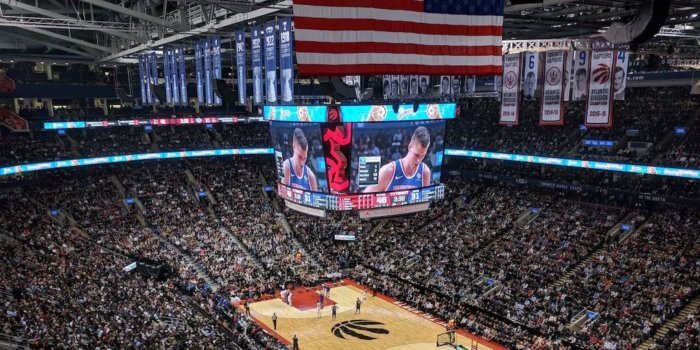
A typical NBA game lasts for 48 minutes of playing time, divided into four 12-minute quarters, though with timeouts and halftime, the total duration is usually around 2 to 2.5 hours.
Ever wondered how long your favorite NBA stars are on the court battling it out? Many fans often ask, “how long is a typical nba game,” and it’s a great question. The clock doesn’t just run constantly; there are many breaks, timeouts, and intermissions that impact the final duration.
The actual playing time is 48 minutes, split into four quarters. However, the entire event from start to finish consumes considerably more time. Expect to set aside around two to two and a half hours to enjoy a complete game.

How Long is a Typical NBA Game?
So, you’re wondering how long you need to set aside to watch a basketball game? That’s a great question! It’s not as simple as saying “two hours” because there are a few things that can make a game go a little shorter or longer. Let’s break down what makes up the total time of a typical NBA game.
The Core of the Game: Four Quarters
The most important part of understanding how long an NBA game is, is knowing about the quarters. Think of them like acts in a play or periods in a school day. There are four of these quarters in every NBA game, and each one is 12 minutes long. If you do the math, that’s 48 minutes of playing time. Now, this might sound simple, but there’s more to the story than just 48 minutes!
Why 12 Minute Quarters?
The 12-minute quarter is a standard in the NBA that balances the need for a good game of basketball and the physical demands on the players. This allows for lots of action without wearing the players out completely during a single quarter. It is also a set standard for basketball on a professional level. The 12-minute quarters allow for strategy, change of pace, and exciting plays that fans love to watch. These quarters are one of the defining elements of NBA basketball.
Timeouts: When the Clock Stops
Okay, so the game has 48 minutes of playing time, but it never goes down that quickly on the real-world clock. Why? That’s because of timeouts! Teams get timeouts so that they can talk strategy, give players a short break, and make substitutions. There are lots of different timeouts in a game. Here’s a breakdown:
- Regular Timeouts: Each team gets a certain amount of regular timeouts during the game.
- Short Timeouts: There are also shorter timeouts for quick changes.
- TV Timeouts: These are timeouts built into the game for commercial breaks.
These timeouts, which can vary slightly, are a big factor in why the game stretches out beyond just 48 minutes. During these timeouts, the game clock stops, which adds to the overall length of a game.
Halftime: The Mid-Game Break
Just like at school, basketball games have a halftime! After the second quarter, there’s a longer break for the teams to rest, regroup, and for the audience to grab a snack. Halftime in an NBA game is usually around 15 minutes long. This is a good time for the players to re-energize and for the coaches to adjust their strategy. It’s also a good time for fans to get some food or talk about what they’ve seen in the first half of the game.
The Influence of Fouls and Free Throws
Sometimes, during the game, players get fouled. When a player is fouled while shooting, they often get free throws. Free throws are when a player shoots the ball at the basket without anyone defending them. This takes time, especially when there are multiple free throws. The time it takes to complete the free throws varies based on the game, but it’s a key reason why an NBA game takes longer than just the 48 minutes of game time. Each free throw is a break in the action, and it adds to the overall time of a game.
Other Stoppages: What Else Can Pause the Game
Besides timeouts and free throws, there are other things that can stop the game clock. These include:
- Out-of-bounds calls: When the ball goes out of bounds, the game is paused until the ball is put back in play.
- Jump balls: If two players grab the ball at the same time, the game stops so that they can have a jump ball (when one player from each team jumps to get the ball).
- Injuries: If a player gets hurt, the game clock stops to give them the medical attention they need.
These additional stoppages add a few seconds or even a few minutes, all depending on the situation, to the overall time of the game. Each little pause can seem short, but all of them add up over the course of an entire basketball game.
The Importance of Overtime
Sometimes, even after four quarters, teams have the same score! When that happens, the game goes into overtime. Overtime periods in the NBA are five minutes each. Depending on the number of overtimes, this can add a lot of extra time to the total game length. Usually, one overtime period decides the game, but occasionally a game goes into double or even triple overtime. These extra periods greatly change the duration of the game.
Average NBA Game Length: Pulling It All Together
So, after all these factors, what’s the average length of an NBA game? A typical NBA game lasts approximately two to two and a half hours. This is after accounting for the 48 minutes of playing time, timeouts, halftime, free throws, and other stoppages. But remember, some games can be shorter, and some can be longer. If a game goes to overtime, you can expect it to last longer, maybe up to three hours. If you plan to watch a game, make sure you have plenty of time so you do not miss the exciting moments.
Factors That Can Affect Game Length
While the average game length hovers around two to two and a half hours, several factors can push a game to either end of that spectrum.
Pace of Play
The overall pace of the game can greatly affect its duration. A fast-paced game with lots of scoring and transition plays can sometimes have shorter stoppage times, but it will usually involve many free throws, depending on the playing style, so the game may tend to be longer. Meanwhile, a slower-paced game with more deliberate plays and lots of fouls can take longer due to the many stoppage times for free throws.
Number of Fouls
Games with many foul calls usually mean more free throws, which translates to extra time on the game clock. Sometimes the end of the game features many fouls, especially if a team is trailing. In these cases, the trailing team might try to stop the clock by committing fouls, resulting in even more stoppages and a longer game duration.
Close Scores
Close games often tend to run longer. This is because teams tend to use more timeouts and more intentional fouling when a game is close. These strategies are used in an attempt to change the outcome of the game. The close score leads to a lot of stoppages and changes the game clock, lengthening the time of the game.
Player Injuries
Significant player injuries can lead to unexpected delays in the game. If a player needs to be treated by medical staff, it may take a while to take the player off the court, leading to an extended game length. Sometimes, if an injury is severe, this can lead to a longer break before the game is resumed.
Review of Plays
In the modern NBA, referees frequently review crucial plays on replay to ensure the correct call is made. These video reviews are time consuming and require stopping the play, leading to an increase in overall game length. While the intent of these reviews are to ensure the accuracy of the calls, they contribute to the length of the game.
Game Length Across Different Leagues
It’s also helpful to understand how NBA game length compares to other basketball leagues around the world.
NCAA Basketball
College basketball, or NCAA games, are different in many aspects, one of the key differences is in the duration of the game. NCAA basketball games are played in two 20-minute halves, instead of four 12-minute quarters like in the NBA. While this adds up to 40 minutes of playing time, it is still often shorter overall because there are fewer timeouts and the rules for stoppages are different. As a result, the duration of an NCAA game is usually shorter than an NBA game.
International Basketball (FIBA)
The governing body of international basketball is called FIBA. FIBA games are played with four 10-minute quarters, which means that the total playing time is 40 minutes. This makes international basketball games typically shorter than NBA games. In addition to this the rules regarding fouls and the number of timeouts are different, which further contributes to shorter game durations.
The WNBA
The WNBA, or Women’s National Basketball Association, is the professional women’s basketball league in the United States. Like the NBA, the WNBA also uses four 10-minute quarters. The WNBA rules for game stoppages, timeouts, and free throws are very similar to the NBA. Therefore, the total duration of a WNBA game can be similar to an NBA game.
Why Understanding Game Length is Important
Knowing how long an NBA game is helps in many ways:
- Planning: You can plan your schedule to watch a game.
- Travel: If you are attending a game in person, it helps to plan for travel to and from the game.
- Television Schedules: If you want to watch a game on television, you know when the broadcast is likely to end.
Whether you’re a hardcore fan or just casually watching, understanding the typical length of an NBA game can help you get the most out of the experience.
So, the next time you’re settling in to watch an NBA game, remember it’s more than just 48 minutes of play. The timeouts, halftime, free throws, and all the other little things contribute to the game experience and to how long the game takes to finish. By taking these factors into consideration, you can sit back and enjoy all the action, from the first jump ball to the final buzzer!
How Long Are Quarters in an NBA Game? – The Basketball Xpert
Final Thoughts
A typical NBA game lasts about two and a half hours, though this can vary slightly. Game time consists of four 12-minute quarters, with breaks between each. This does not include time outs, free throws, or other stoppages in play.
The actual playing time can be shorter than the total time. The clock stops frequently throughout the game. These breaks add to the overall duration.
Therefore, understanding how long is a typical NBA game involves acknowledging these factors. Plan for approximately two and a half hours for the full experience.

