
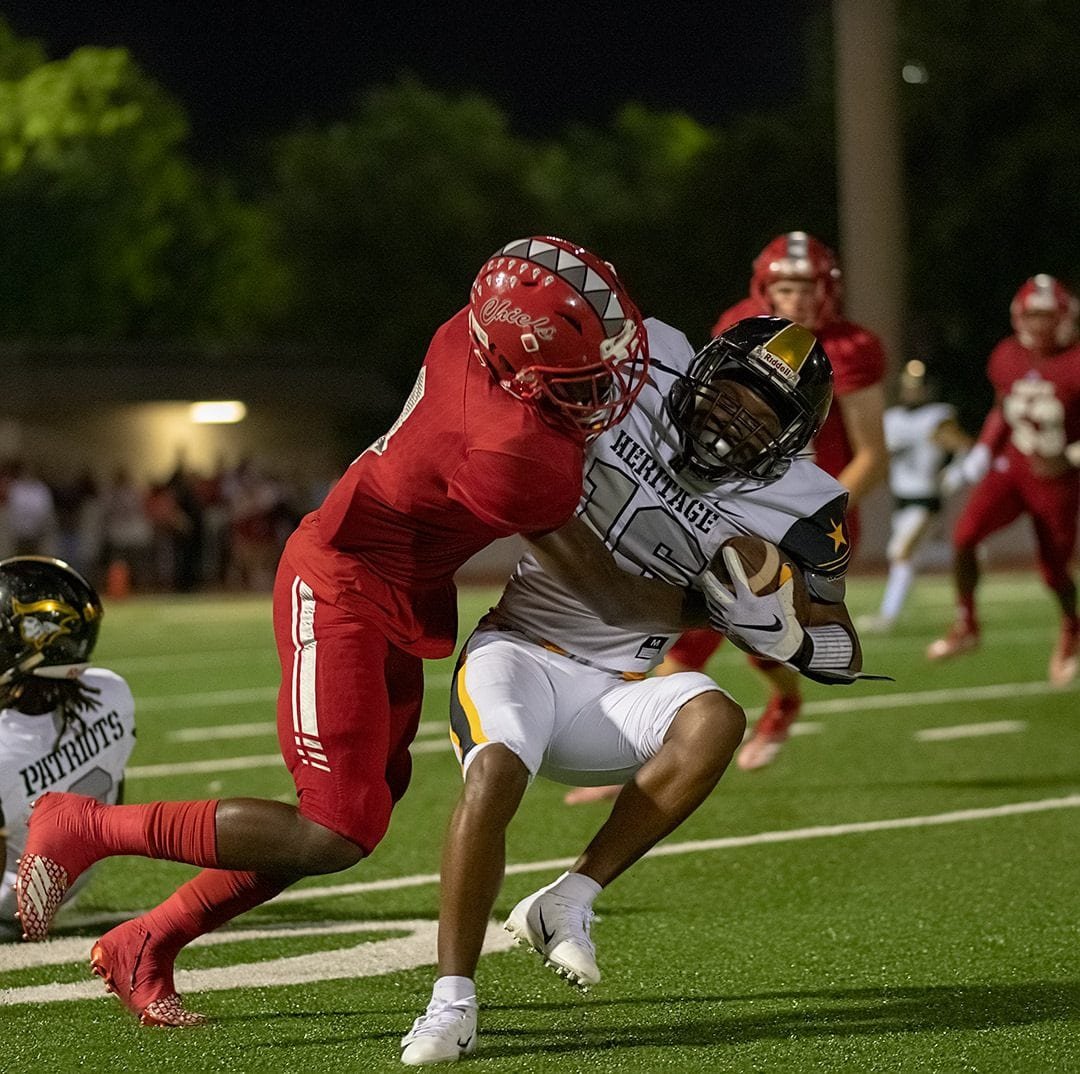
A varsity football game typically lasts for 48 minutes of playing time, divided into four 12-minute quarters.
Ever found yourself wondering how long is a varsity football game? It’s a common question, especially for new fans. The game clock doesn’t tell the entire story, with various stoppages adding time to the experience.
Halftime, timeouts, and other pauses contribute to a longer duration than the 48 minutes of actual play. So, planning around a varsity game requires acknowledging this variable time factor.

How Long Is a Varsity Football Game?
So, you’re wondering how long a varsity football game lasts? That’s a great question! It’s not as simple as saying “exactly one hour” or “two hours.” There are a few things that can change the total time, but let’s get into the details of what makes up the length of a high school varsity football game.
The Four Quarters: The Core of the Game
At the heart of every football game are the four quarters. Think of them like four mini-games within the big game. Each quarter in a varsity high school football game is 12 minutes long. This is a standard rule across most states and high school leagues. So, if you just added up the four quarters, you’d think the game would be 48 minutes long (12 minutes x 4 quarters = 48 minutes). But that’s not how it works; there is more!
Breaks Between Quarters
The game has short breaks between each quarter. These breaks are like little pauses that allow players to catch their breath, coaches to talk strategy, and fans to maybe grab a snack. These breaks are usually about 1 to 2 minutes long. So, that adds a little bit to the overall game time. The actual amount of break time can be changed, but generally, it remains consistent in length from quarter to quarter. If we consider the 1 minute break between the quarters the calculation is, 4 minutes of breaks(3 breaks) between quarters and 48 minutes(4 quarters), we get 52 minutes. But you still don’t have the answer, there is still one break left to discuss.
Halftime: The Big Break
After the second quarter, there’s a much longer break – halftime! Halftime is like a super-sized break where teams go to the locker room to regroup, talk about their performance, and plan for the rest of the game. The halftime break is usually about 15 to 20 minutes long. This is by far the longest break in the game. During this time, many schools host a performance by the band, cheerleading squad, or other special acts. There can be other celebrations at this time as well. Because of this, halftime is a bit of a show itself. Halftime is a very important time, not only for players but also for the entertainment of the spectators at the game. This break is critical to ensure the players get enough time to recover physically and mentally before the next half of the game. It also gives the audience and the team time to relax, and the time is important for coaches to do a good job of talking to their team so that they can get back in the game with proper planning. Adding this to our running tally, we now have 52 minutes (from above) + 15-20 minutes for halftime, which brings us to about 67-72 minutes so far. And this is without any time delays.
Clock Stoppages: Why Games Run Longer
Here’s where things get a bit more complicated. The game clock isn’t always running. There are many times when the clock stops during a football game. These clock stoppages are the main reason why games tend to last longer than just the running time of the quarters plus breaks. Some common reasons for the game clock to stop include:
- Incomplete passes: When a pass isn’t caught, the clock stops.
- Out-of-bounds plays: If a player goes out of bounds with the ball, the clock stops.
- Penalties: When a penalty is called, the clock usually stops while officials sort it out.
- Change of possession: After a change of possession such as after a turnover, the clock will stop.
- Timeouts: Teams can call timeouts, which stop the clock.
- Injuries: If a player gets injured, the clock is stopped until the player receives medical help.
- Scoring Plays: The clock stops after a team scores, such as after a touchdown or a field goal.
These clock stoppages can add a lot of time to the game. It’s why a game with 48 minutes of playing time can often last for an hour and a half, two hours, or even longer. The actual number and length of these stoppages can vary quite a bit depending on the game. For example, some teams might pass the ball more often than others, resulting in more incomplete passes and clock stoppages. Or, if the team is doing more running then there may be fewer incomplete passes and less clock stoppages.
How Different Playing Styles Affect Game Length
The style of play can also affect how long a game lasts. A team that likes to run the ball a lot and keeps the ball on the ground can make the game shorter since the clock is running more. But a team that uses a lot of passing plays can sometimes make the game longer because incomplete passes stop the clock. Similarly, a team that has a lot of penalties will have longer game time because penalties often lead to the clock being stopped while referees address the penalty.
Blowout Games: Shorter or Longer?
Sometimes a team gets way ahead of the other team. When this happens, you might think the game will be over really quickly. However, it’s not always that simple. In a high school football game, a rule called a ‘mercy rule’ can sometimes shorten the game. If one team is ahead by a large margin (usually 35-40 points), the clock might run continuously in the second half. This means that the clock will only stop for a timeout or injury. This is intended to shorten the game for a number of reasons. One reason is that if one team is so far ahead then there is little point in extending the game. Another reason is to prevent unnecessary injuries that might occur if the game were to drag on for longer. While not every league implements the mercy rule, it is a common rule that is often applied in high school football games. The intention is that it both speeds up the game, and it also protects the players from injury when the game is not so competitive. In this way, some games will become shorter if the score becomes unbalanced. But the opposite could also be true, if a team is down, and continues to make comebacks, this could increase the time of the game.
The Actual Game Time: Putting It All Together
So, now, let’s put all of this together to get a good idea of how long a varsity football game actually is. Here’s a rough estimate of what you can expect:
- Four quarters: 48 minutes (12 minutes per quarter)
- Breaks between quarters: 3-6 minutes (1-2 minutes per break)
- Halftime: 15-20 minutes
- Clock stoppages: This varies a lot but will often add 30 to 60 minutes or more.
Taking this all into account, a high school varsity football game usually lasts anywhere from 2 to 3 hours, or even longer in some cases. It is less common, but games have been known to last up to 3 ½ hours in some rare circumstances, where clock stoppages and other delays are very prominent. It all depends on the flow of the game and what is happening on the field.
Factors That Can Extend Game Time
Besides the normal clock stoppages, some other things can make a game go longer. These aren’t so common but they can happen:
- Overtime: If the game is tied at the end of the fourth quarter, the teams will go into overtime, which can add extra time and can potentially be multiple rounds of overtime depending on how many ties occur.
- Injuries: If there are several injuries during the game, this can cause more stoppages and extend the total game time.
- Referee Delays: Occasionally, there might be delays due to the officials addressing penalties and other issues.
Game Length Variations Across Different Levels
It is important to point out that these timing rules are specific to varsity high school football. Other levels of football, such as middle school, college or the NFL have different time rules. For example, middle school games often have shorter quarters of about 8 minutes each. College and NFL games are different still with 15 minute quarters, but also often have more stoppages of the clock, so game length remains similar to high school games. So, keep in mind that the information in this article applies to the typical high school varsity football game. If you are wondering about a game at a different level of play, you’ll need to look into those specific rules. But these differences in time are important to note and the length of different games will vary.
So, now you know about how long a varsity football game is and how it is structured. You know that it is more than just the 48 minutes on the clock of playing time. You should know now that you should plan for 2 to 3 hours when you go to watch a high school football game. And you should be able to explain why some games might run longer than other games.
They didn’t score ALL SEASON 💀😭 #shorts
Final Thoughts
A standard varsity football game consists of four 12-minute quarters. There are brief pauses between quarters and a longer halftime break. These breaks extend the total game duration.
The clock does stop at various points during the game. Incomplete passes and penalties pause game time. These stoppages further impact the overall time.
So, how long is a varsity football game? While the clock runs for 48 minutes, the game’s total length is closer to two or three hours due to pauses.

