
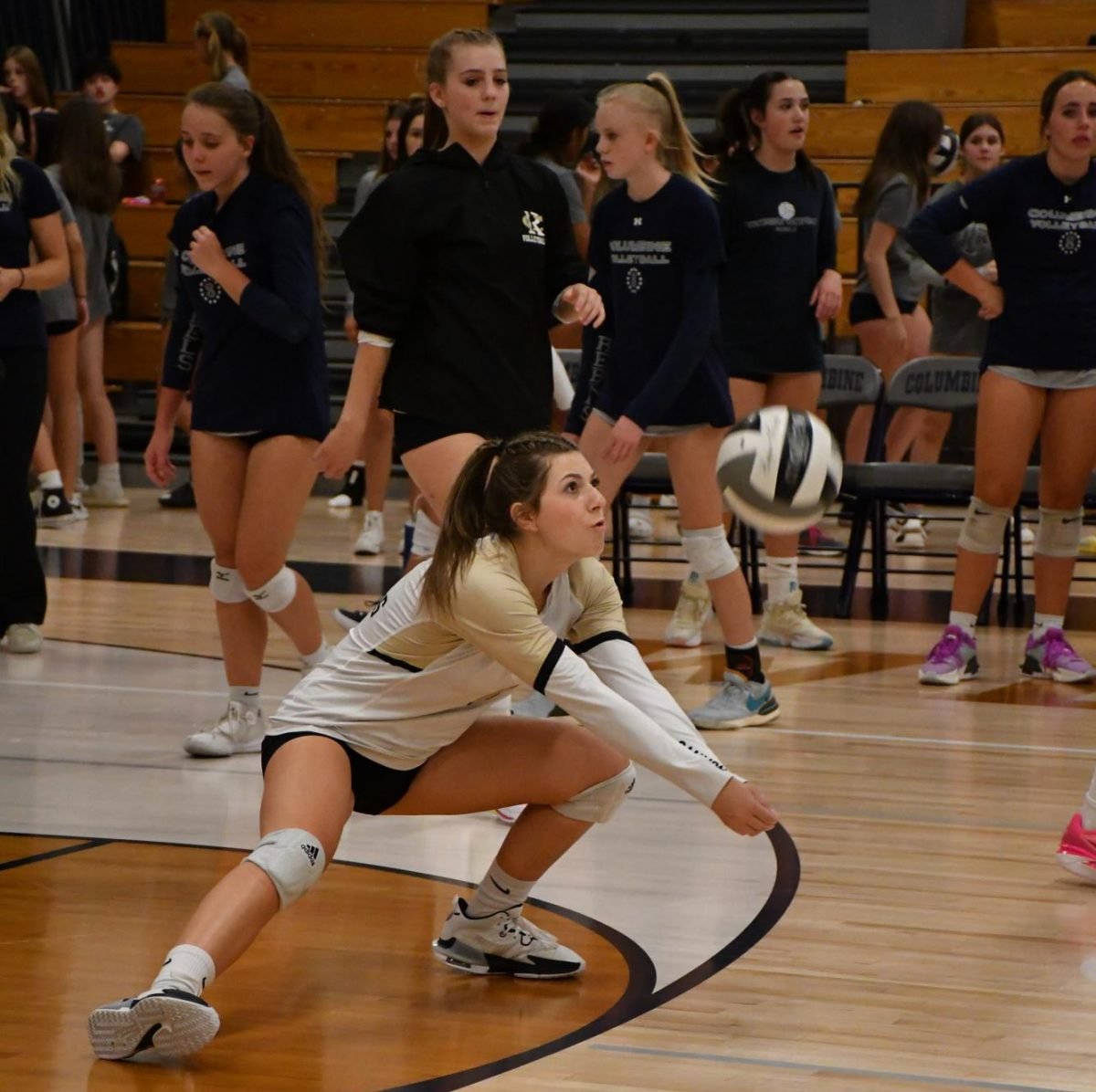
A varsity volleyball game typically lasts between one and a half to two and a half hours.
Ever wondered how much time you need to set aside to catch a varsity volleyball match? It’s a common question! The duration of these matches can vary slightly.
Understanding how long is a varsity volleyball game will help you plan your schedule accordingly. Several factors influence the total game time.
These include the number of sets played and the pace of each team. So, get ready for some exciting action that could fill up a good portion of your evening!

How Long Is a Varsity Volleyball Game?
Alright, let’s dive into the exciting world of varsity volleyball! If you’re a fan, player, or even just curious, you might wonder, “How long is a varsity volleyball game, anyway?” It’s not as simple as a fixed time like a football game. Instead, it’s more about reaching a certain number of points and sets. Let’s break it all down so you know what to expect at a varsity volleyball match.
The Basics: Sets and Points
Varsity volleyball matches aren’t played against the clock. Instead, they use sets and points to determine the winner. A set is like a mini-game. The team that wins enough sets first wins the entire match. Typically, a varsity volleyball match is best-of-five sets. This means the first team to win three sets wins the match.
Each set is played to a certain number of points. In most cases, that number is 25. However, to win a set, a team must also win by at least 2 points. So, if the score gets to 24-24, the game continues until one team has a two-point lead. For example, the set could end 26-24, 27-25, or even higher.
The Role of the Fifth Set
If the match is tied after four sets (two sets to each team), a fifth set, called the deciding set, is played. This set has some differences compared to the previous ones. The fifth set is shorter, played to only 15 points, and the team still needs a two-point lead to secure the set victory and the overall match.
Factors Influencing Game Duration
While the rules dictate how many sets and points are needed to win, many things can make a volleyball game longer or shorter than anticipated. Here are some key factors:
The Intensity of Play
One major influence is how closely matched the teams are. If both teams are very good and the games are tight, there will be a lot of long rallies, with many back-and-forth volleys. These long rallies can increase the set’s duration. Think of a seesaw – the points go back and forth and neither team gets an advantage quickly.
The Number of Easy Points
Conversely, a team that is much stronger than the other might win sets very quickly. This can happen if a team scores many easy points, like points off of errors from the opposing team or when a team has a very strong server. Fewer points and easy points mean quicker sets and thus shorter game times.
Timeouts and Between-Set Breaks
Each team is allowed to call timeouts during a set. These timeouts provide a pause to strategize, rest, and regroup. The time taken during these timeouts does add to the overall match time. Additionally, there are short breaks between each set, giving players time to hydrate and discuss the plan for the next set. These breaks, though necessary, contribute to the overall match length.
The Number of Sets Played
Obviously, a match that goes to five sets will take longer than a match that ends in three. A dominant team can sweep in three sets, leading to a shorter match. But a close game with five sets will surely extend the duration.
Typical Varsity Volleyball Game Length: What to Expect
So, how long does a typical varsity volleyball game last? Well, most matches will fall into a general range. While it’s impossible to give a precise number, here’s what you can expect:
- Shortest Possible Game: If a team dominates and wins in three quick sets, the match could be over in around 60 minutes to 75 minutes.
- Typical Game: Most matches, especially those that are competitive, will last between 90 minutes and two hours.
- Longest Possible Game: If the match goes to a very tight five sets with numerous long rallies and timeouts, the game could last two and a half hours or even slightly longer.
These timings are just estimates, and many factors can influence how long a game really lasts. It’s also worth considering that these times generally refer to the active game time and don’t include any warm-up periods before the game starts or any cool down time afterwards.
Examples of Game Length Scenarios
Let’s look at some hypothetical scenarios to illustrate how these factors affect the length of a game. Understanding these different cases will help you see why the duration varies.
Scenario 1: A Quick Sweep
Let’s imagine Team A is much stronger than Team B. In this case, the scores for each set might be something like 25-10, 25-12, and 25-15. Because the sets are not close, they go by faster. The match might only take about 70 minutes to complete. There are fewer rallies, points, and timeouts.
Scenario 2: A Typical Competitive Match
Now, consider a match between two evenly matched teams. The sets could be 25-23, 22-25, 25-20, and 26-24. In this case, many sets are close and go down to the wire, with longer rallies. This type of match would take closer to 90 to 105 minutes to finish.
Scenario 3: A Thrilling Five-Set Battle
Finally, think about a match that’s incredibly close with both teams evenly matched. The sets could look like this: 25-22, 23-25, 25-21, 20-25, and then a close fifth set of 16-14. This is the type of game that could easily go to over 2 hours, and perhaps even 2 hours and 15 minutes. There are many long rallies and timeouts throughout this type of match.
Understanding the Time Commitment for Players and Fans
For players, it’s important to be prepared for any match length. This means being physically and mentally ready to play for up to three hours. This includes proper warm-up routines, maintaining stamina and nutrition, and mental toughness to fight through long sets. Fans should also be prepared to spend a couple of hours to watch a full varsity volleyball game, especially if the match is competitive.
How Game Length Affects Strategy
The potential for a long match also affects how coaches plan their strategy. They may conserve energy by rotating players, so top players are not worn out. Or they could make strategic substitutions, depending on how a set is going.
Differences Across Levels of Play
It’s worth noting that the game length and rules for varsity volleyball can sometimes differ from other levels of volleyball. For example, junior varsity or middle school games may be played with fewer sets or fewer points per set. These adjustments are often made to accommodate younger or less experienced players. And typically they make for shorter overall match times.
Key Takeaways About Varsity Volleyball Game Duration
So, to summarize, the duration of a varsity volleyball game isn’t set in stone. It depends on many factors, including:
- How many sets are played: Three-set games are the shortest, while five-set games take the longest.
- How close the sets are: Close sets with lots of back-and-forth play take longer.
- The frequency of timeouts: Timeouts add to the overall game length.
- The number of points required to win the set: As sets require 25 points, and a lead of two points, each set can vary.
Most varsity volleyball matches will last between 90 minutes and two hours. But, remember, every game is unique. It’s best to be ready for a game that could go either shorter or longer than expected! Now you’ll know what to expect the next time you settle down to watch a great varsity volleyball match!
Volleyball games, with their variable time based on scoring and sets, offer a different kind of viewing experience than sports with timed quarters. It’s the back-and-forth, the strategic substitutions, and the rally for each point that creates the excitement. Knowing that games can swing from shorter to longer adds an element of the unexpected. This makes each match a unique, captivating experience. Whether you are a player, a coach or a fan, understanding the typical game flow helps appreciate the complexity of this high energy sport. Now, you are prepared to enjoy and participate fully in the thrills and excitement of varsity volleyball!
🏐 Varsity Eastwood vs Franklin Volleyball Game Fall 2022
Final Thoughts
A varsity volleyball game’s duration is variable. Generally, a match takes around 60 to 90 minutes to complete. This time includes all sets played and brief intermissions between them.
The length depends on whether a team wins in three straight sets or plays five sets. Therefore, knowing how long is a varsity volleyball game can help you plan. The actual time can fluctuate slightly based on gameplay.

