
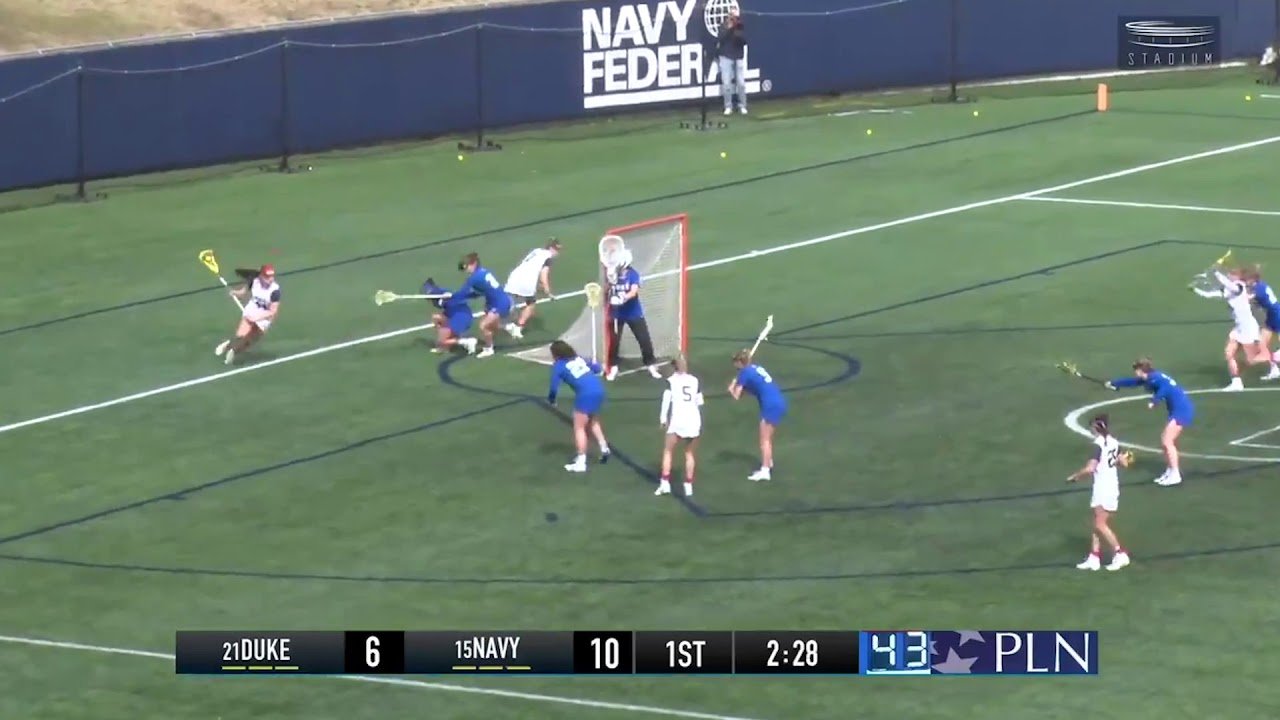
The standard length of a women’s lacrosse game is 60 minutes, divided into two 30-minute halves.
Ever wondered about the pace and duration of a women’s lacrosse match? Many people are curious about how long is a womens lacrosse game. This action-packed sport keeps fans engaged with its constant movement and skill.
Knowing the game’s structure helps understand the strategic decisions players and coaches make during the match. The specific timing affects gameplay and overall intensity of a competition.

How Long is a Women’s Lacrosse Game?
Okay, so you’re curious about how long a women’s lacrosse game lasts? It’s a great question, and the answer isn’t always as simple as one number. Unlike some sports with very rigid timings, women’s lacrosse has some variations based on the level of play. Let’s dive into all the details, so you’ll know exactly what to expect whether you’re a player, a fan, or just curious about the game.
Understanding the Basics of Game Time
At its heart, a women’s lacrosse game is divided into two halves. Think of it like two mini-games put together. But it’s the length of these halves, and how they’re structured, that makes a difference. Generally speaking, the total playing time doesn’t include all the moments when the clock stops – think about those pauses after goals, for penalties, and for when the ball goes out of bounds.
Regulation Game Length
The most common game length you’ll see is the regulation game length, typically used in high school and college games. The regulation game is divided into two halves, and each half is usually around 30 minutes long. That means a standard game usually features a total of 60 minutes of actual playing time. But remember, the overall time spent at the field can be much longer. The referee and players work really hard to keep the game moving, while ensuring safety and fair play are at the forefront of the experience.
Variations in Playing Time
While 60 minutes is common, not every game lasts exactly this long. Some leagues or levels of play adjust the length of each half. You’ll often see shorter halves for younger players, which makes sense – their energy levels are different than older, more experienced players. Also, tournament structures, especially those designed for a quick turnaround, might also have modified time lengths for games.
The Timeouts Factor
Timeouts add a very important element to the game length. Each team has a certain number of timeouts they can use, and these stops add to the overall duration of the event. They’re used to strategize, rest, or break up the momentum of the game. Each timeout lasts about one to two minutes, but the number and frequency of them throughout the game can cause some variability in the total time you’ll be at the field. The coaches and team strategists look at timeouts as a strategic edge and plan accordingly.
Halftime Break
Between the two halves, there’s a halftime break. This is a time for players to rest, coaches to go over strategies, and for everyone to catch their breath before the second half begins. The halftime interval generally spans around 10 to 15 minutes, but this can slightly vary too depending on the league rules or tournament schedule.
What Happens When the Clock Stops?
The clock in a women’s lacrosse game doesn’t run continuously like a timer. It’s a ‘running clock’ but it stops for a variety of reasons. When the ball goes out of bounds, after a goal, a free position or for penalties, the clock is temporarily halted. This adds time to the total game clock, but remember this is normal and it’s built into the design of the game. The referee monitors and manages these stoppages. Here’s a breakdown of when the clock might be paused:
- Goals: Each time a goal is scored, the clock stops briefly for the referee to signal and reset.
- Penalties: When there is a foul called, the play stops and the clock is halted.
- Timeouts: As mentioned earlier, coach called timeouts will stop the clock to allow for strategic discussions.
- Injuries: If a player is hurt, the game pauses while they receive medical help, causing a stoppage in time.
- Out of Bounds: When the ball crosses outside the marked boundaries of the field, the play stops and the clock pauses.
Overtime Rules
Sometimes, games are so close that the regulation time ends with both teams tied. When that happens, overtime periods are played. How overtime works differs depending on the level of the game. In most cases, an initial sudden-victory overtime, or a short period of extra play, is implemented. In sudden victory the first team to score wins. If the score remains tied after the first overtime, then additional overtime periods might take place. There are usually rules to prevent endless overtimes, so after a certain amount of overtime periods there might be different strategies used like a shootout for the outcome of the game. These additional overtime periods add time to the overall time for the game, so there’s a great level of excitement when games go into these periods.
Age and Level Modifications
As mentioned earlier, the game length can be affected by age and level of play. Here’s what to expect at different levels:
Youth Lacrosse
Younger players usually have shorter games. Instead of two 30-minute halves, you might see two 20 or 25 minute halves. This accommodates the skill and endurance of the younger age groups. These adjusted durations help make the games more enjoyable for everyone involved. Timeouts are usually still given to the teams for breaks and strategizing.
High School Lacrosse
High school games tend to follow the traditional two 30 minute halves format. There are still stoppages in the clock due to fouls, penalties, and out of bounds but the general amount of playing time is 60 minutes. There can be exceptions depending on if you are playing in a tournament or not, or according to different state or regional rules.
College Lacrosse
College games also follow the standard format of two 30 minute halves, totaling 60 minutes of playing time. Like high school, the game clock does stop when the whistle blows for fouls, goals, and other incidents. College games are often more intense with the time clock running out so strategies are very important at this level.
Professional Lacrosse
Even in the professional realm the same standard game times are used, two 30 minute halves. Although the game length remains consistent, the intensity and the level of play are obviously at a higher level. With a higher level of play also comes more strategizing, so timeouts become very important.
Game Day Timing: What to Expect
So, if a game is scheduled for 10:00 am, does that mean it will end at 11:00 am? Not quite. The clock shows active play time, not total time. Here’s a general idea of what to expect:
- Warm-up: Players typically arrive early to warm up, meaning the actual time at the field starts before the official game start time. This can be 30 minutes to an hour, maybe longer, depending on the team.
- Game Length: As we have discussed, the actual playing time can be 60 minutes for standard play, with variations based on age and level.
- Halftime: You’ll also need to factor in the 10-15 minute halftime break.
- Stoppages: The clock can be paused several times throughout the game for penalties, timeouts, and other reasons.
- Post-game: After the game, there’s usually a cool down, time for handshakes, and coaches meetings.
All these elements together mean that you might spend about two hours at the field or more if there are overtimes. Always check the specific rules of the league you’re following or check with the game officials so that you can plan your time at the games accordingly.
Summary of Typical Women’s Lacrosse Game Durations
To put it simply, here’s a table summarizing the typical game durations:
| Level | Half Length | Total Game Time | Typical Time Including Breaks |
|---|---|---|---|
| Youth | 20-25 minutes | 40-50 minutes | 1 hour to 1 hour and 30 minutes |
| High School | 30 minutes | 60 minutes | 1 hour and 45 minutes to 2 hours |
| College | 30 minutes | 60 minutes | 2 hours to 2 hours 30 minutes |
| Professional | 30 minutes | 60 minutes | 2 hours to 2 hours 30 minutes |
Remember, these are approximate times, and actual game durations can vary a little bit.
So, now you have a great idea of how long a women’s lacrosse game usually lasts. From regulation game length, to time outs, and the possibilities of overtime, there are many factors to consider. Keep in mind that, in most cases, if you’re planning to watch a game, budget about two hours at the field. This way, you won’t be surprised by the length and can truly enjoy all the action and excitement.
Northwestern vs. Florida: 2024 NCAA DI women's lacrosse semifinals | FULL REPLAY
Final Thoughts
A standard women’s lacrosse game consists of two 30-minute halves. The clock stops for penalties and timeouts, adding to the total game time. Understanding this structure helps in planning for both playing and watching.
So, how long is a women’s lacrosse game? Typically it lasts roughly an hour of play, but with stoppages it can run longer. Actual duration will vary based on these interruptions.

