
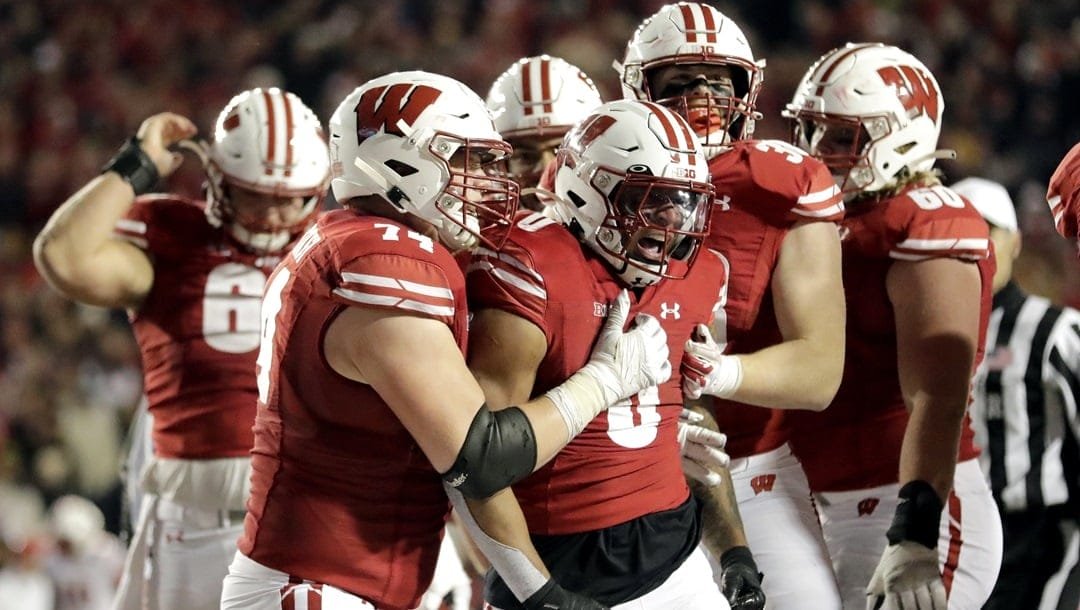
An average college football game typically lasts about 3 to 3.5 hours.
Ever wondered how long you’ll be glued to the TV on a Saturday? The excitement of college football often leaves us planning our day around the game, but how long is an average college football game? It’s a valid question, especially if you’re fitting other activities in.
The game clock itself is 60 minutes, divided into four 15-minute quarters. However, various factors extend the total time. These include halftime, timeouts, penalties, and replay reviews. So, expect to dedicate more than just an hour to a full game.

How Long Is An Average College Football Game?
Ever sat glued to the TV, watching a college football game and wondered, “When is this thing going to end?” You’re not alone! College football games can feel like they last forever sometimes. But how long do they actually last? Let’s dive in and explore the real time commitment of watching your favorite teams battle it out on the gridiron.
The Four Quarters and the Clock
A standard college football game is divided into four quarters, each lasting 15 minutes. That sounds straightforward, right? So, you might think a game would take a total of 60 minutes. But the truth is, the game clock isn’t always running.
The Stoppages: Why Games Run Longer Than 60 Minutes
Several things make college football games run longer than just the four 15-minute quarters. The clock stops for many reasons, which adds a lot to the total game time. Here’s a breakdown of why the clock doesn’t keep ticking:
- Incomplete Passes: When a pass isn’t caught, the clock stops until the next play starts. This happens quite a lot, especially with teams using more passing strategies.
- Out-of-Bounds Plays: If a player goes out of bounds while running with the ball, the clock stops. This helps the team get set up for the next play.
- Penalties: When a team breaks the rules, the clock stops while the officials decide what the penalty is and move the ball accordingly. Penalties like holding or pass interference can really hold up a game.
- Change of Possession: When the ball changes teams, the clock stops for a short time to get everyone set for the next play. This includes situations like punts, turnovers (interceptions or fumbles), and field goals.
- Timeouts: Each team has timeouts they can use to strategize or stop the clock. This adds to the overall game time, but it is a very important part of the game’s strategy.
- Injuries: Unfortunately, when players get hurt, the clock stops while they get medical attention. Player safety is the most important thing, so these stops are necessary.
- Scoring Plays: After a touchdown, field goal, or safety, the clock stops. This allows for the extra point or kickoff and adds a bit more time to the game.
- The Two-Minute Warning: In the last two minutes of each half, the clock stops after every play, unless a player runs out of bounds. This adds suspense and allows teams to manage their final possessions more carefully.
All these stoppages add significant time to the game, making it much longer than the 60 minutes of actual play time. It’s why it’s important to know how these stoppages affect the duration of the game.
Typical Game Duration: Breaking it Down
So, with all of those clock stoppages, how long does a typical college football game last? On average, you can expect a game to last about 3 to 3 1/2 hours. That’s a good chunk of an afternoon or evening! But, remember that this is just an average; some games go quicker while others can drag on much longer.
Factors that Affect Game Length
Several factors can cause a game to run shorter or longer than the average 3 to 3 1/2 hours. Here are some of the most common:
- Number of Penalties: A game with a lot of penalties will naturally take longer because the clock keeps stopping and officials will take more time to determine the penalty.
- Close Games: Close games, where teams are tied or within a score of each other, often include more timeouts and strategic plays, which leads to more clock stoppages. These close contests can get tense, but also mean the game can run longer.
- High-Scoring Games: Games with lots of scoring will tend to be a bit longer due to the clock stops after each score. This is because of all the touchdowns, field goals, and extra points that get added to the game.
- TV Commercials: Television broadcasts include commercial breaks, which add time to the overall experience. Networks have many of these breaks, particularly in key moments.
- Overtime: Some very close games go to overtime. Overtime in college football uses a different system than in the NFL and can mean extra possessions, and more time. The game length can increase significantly when a game goes to overtime.
- Team’s Style of Play: Teams with a strong rushing game often run the clock down more than teams that throw the ball a lot. A team that controls the clock with long, running plays can make a game feel much shorter.
A Look at Each Quarter
Let’s take a more specific look at how each of the four quarters contribute to the overall game time. This will give you a more accurate idea of how the time breaks down.
- First Quarter: The first quarter often takes a bit less time than the other quarters due to fewer stoppages at the beginning of the game. Teams are often feeling out their opponent, and there tend to be fewer penalties and scoring plays in these early moments.
- Second Quarter: The second quarter usually sees more of the back-and-forth action and is the busiest quarter for scoring. Because there is scoring and more stoppages, it usually runs a bit longer than the first quarter.
- Third Quarter: The third quarter is typically similar in length to the first quarter. Teams are still trying to establish dominance but there are usually fewer changes of possession and scoring than in the second quarter.
- Fourth Quarter: The fourth quarter can be the longest quarter, especially if the game is close, and teams are using more timeouts and clock management tactics. This quarter can feel like it lasts forever because it is often filled with excitement.
How a Typical College Football Game Might Play Out Time-Wise
To help you really understand how time adds up, here’s a simple example of how a college football game can unfold time-wise:
- Pre-Game: Before the game starts there is a pre-game show that can vary in length, sometimes taking 30 to 60 minutes.
- First Quarter: Let’s say the first quarter takes about 40 minutes to complete.
- Second Quarter: The second quarter takes another 45 minutes because of more scoring and other stoppages.
- Halftime: Halftime is typically 15-20 minutes, which is used by the teams for adjustments and for the fans to take a break.
- Third Quarter: The third quarter takes about 40 minutes as well.
- Fourth Quarter: The fourth quarter can go up to 50 minutes, depending on the game situation and if it goes down to the wire.
- Post-Game: After the game, there’s often some post-game coverage, interviews with coaches, and analysis, this might take 10-30 minutes.
So, even with just the game time, you can see how those stoppages can add up to a three-and-a-half-hour game.
The Impact of TV Broadcasts on Game Time
Television broadcasts play a significant role in how long a college football game feels. Commercial breaks are a big part of TV, and they add a lot of time to a game. While you may not see these breaks when you watch in person, they certainly contribute to the overall duration of the experience when watching at home.
Commercial Breaks
Television networks need to make money, so they sell advertising space during games. That means there are frequent commercials in between plays, and these breaks can stretch a game even longer. In general, commercial breaks are often built into natural breaks in the game. When a quarter ends, after a score, or after a timeout you are very likely to see commercials. These commercial breaks, while important to the networks, contribute significantly to the overall game duration. The frequency and length of commercial breaks can make games that are being broadcast on TV seem longer.
TV Timeouts and Official Reviews
TV timeouts are not the only source of increased duration. Sometimes there are specific timeouts called just for the broadcasts, which means longer delays for viewers at home. Also, if a close play happens, and a review is needed, then the game has to pause while the officials review the play on video to make sure they got the call right. These reviews can also add some time, especially when multiple camera angles are needed. While important for accuracy, these pauses contribute to the game’s total duration. All the TV-related interruptions make watching on TV different from watching in person, where these extra stops aren’t as obvious.
Factors that Shorten or Lengthen the Game Significantly
While the average game lasts between 3 and 3.5 hours, some games can be much shorter or much longer. Here’s how these games can vary:
Shorter Games
Some games can be quite a bit shorter than average. These games often have certain features:
- Blowouts: If one team is dominating the game, there will be fewer stoppages, fewer scoring plays, and the winning team may run out the clock, so it goes quicker. The losing team may not use all its timeouts in these situations, which also contributes to less delay.
- Running-Focused Offenses: Teams with strong rushing attacks can control the clock and limit opportunities for the other team, which means the game will go faster because less stoppages and less back and forth action
- Few Penalties: When there are fewer penalties, the clock doesn’t stop as often and the game has a faster flow. This helps keep the game shorter.
- No Overtime: If the game has a clear winner by the end of the 4th quarter, it does not need to go to overtime and the game length is not extended.
Longer Games
On the other hand, certain things can lead to college football games that last much longer than the average:
- Overtime: Overtime can be the biggest factor that makes a game go longer. If a game goes to multiple overtime periods it can extend the game duration significantly.
- Many Penalties: As discussed, lots of penalties cause clock stoppages for the referee’s review, penalty assessment, and yardage adjustments. It all contributes to a much longer game
- Numerous Injuries: If there are a number of player injuries, this causes the clock to stop to tend to the injured player, which makes the game take longer. Player safety is most important so these stoppages have to happen but they do take time.
- Close Games: When a game is closely contested, the teams use all their timeouts to try to gain the lead and because of the back and forth it increases the game’s overall length.
- Many Scoring Plays: All the scoring touchdowns, field goals, and extra points do add to the game time, so high-scoring games do tend to be longer.
Keeping Track of Time: Tips for Fans
For fans, keeping track of the time during a college football game can be tricky. Here are a few tips to help you manage your time while watching:
- Check the Clock Regularly: Keep an eye on the game clock to see how much time is left in each quarter. Knowing the time is helpful to manage your time during the game.
- Pay attention to the Game Situation: Watch the game situation to see if the game is close or a blowout. This can help you guess how much time is left in the game
- Factor in Commercials and Halftime: Remember that commercial breaks and halftime will add to the overall time. Add some time to your schedule for those breaks.
- Use a Timer if Needed: If you are timing for something, you can set an extra timer so you know when the game is over.
- Be Patient: Remember that college football games can be long, so it’s best to be patient and enjoy the experience.
By paying attention to the clock and the game situation, you can better estimate how long a game will last and plan accordingly. Whether you are at the stadium or watching at home, being prepared for the game’s length will help you enjoy it more.
So, the next time you tune into a college football game, you’ll know that while the official playing time is 60 minutes, the actual game duration is typically much longer. Plan for about 3 to 3 1/2 hours, but also be ready for games that can go shorter or longer, depending on the circumstances.
CFB 25 RUINED this players life🤯 #collegefootball #cfb #cfb25 #ncaa #bigten #goblue #ohiostate
Final Thoughts
An average college football game typically lasts around three hours. However, this duration can vary slightly due to factors like overtime and television timeouts. Games often run a bit longer than three hours.
Knowing how long is an average college football game helps plan your viewing schedule. So, allocate approximately three hours to watch a game, but be ready for possible extensions.

