
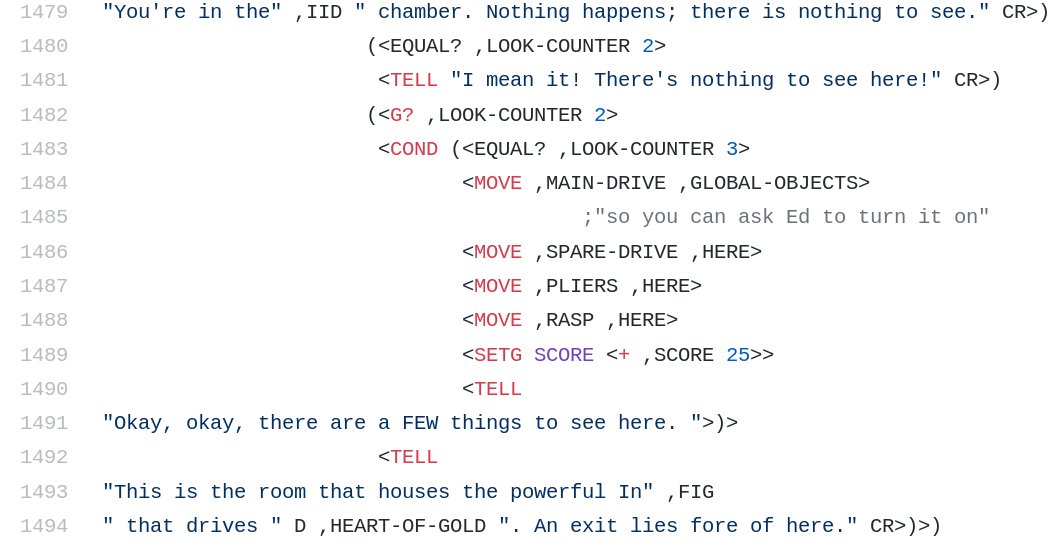
The source code for a game is essentially the set of instructions written by programmers that dictate how the game functions, from its graphics and gameplay mechanics to its rules and logic.
Ever wondered what actually makes your favorite games tick? It’s not magic, but lines of carefully crafted code. When you think about what is a source code for a game, it’s basically the blueprint which developers use to build the entire interactive experience.
This code is the foundation that determines what you see, how you interact, and ultimately, the entire way a game operates. It’s like a recipe that produces your favourite digital entertainment.

What is a Source Code for a Game?
Ever wondered how your favorite video games are made? It’s not magic! It all starts with something called source code. Think of source code as the secret recipe for a game. It’s like the instructions that a computer follows to create everything you see on the screen, from the characters moving around to the music playing in the background. Without source code, there would be no game to play.
Understanding the Basics
Let’s break down what source code really is. It’s written in a special language that computers can understand. These languages are different from the ones we use to talk to each other. Instead of English or Spanish, game developers use languages like C++, C#, Java, or Python. Each of these languages has its own rules and grammar that a computer can follow.
What Are Programming Languages?
Imagine you’re building with LEGOs. You need instructions, right? Programming languages are like those instructions, but for computers. They tell the computer what to do, step-by-step. Here are a few common ones used in game creation:
- C++: A very popular language for making high-performance games. It’s known for its speed and power, which makes it great for games that need to run smoothly and quickly.
- C#: Often used with the Unity game engine, a widely used tool for making games. C# is known for its easier syntax (or writing style) compared to C++.
- Java: Frequently used for mobile games and games that need to run on different operating systems.
- Python: While not always used for the core of big games, Python is excellent for making tools and smaller elements. It’s easy to learn and great for beginners.
Each line of code in these languages is like a single instruction. When these instructions are put together in the right way, they create a game.
The Role of Source Code in Game Development
So, what exactly does source code do? It’s like the brain behind everything you see and interact with in a game. Here’s how it works:
Creating Game Logic
Game logic is like the rules of the game. It’s what makes the characters move when you press the arrow keys, or what happens when you jump on an enemy. Source code dictates all these rules. It includes things like:
- How characters move and jump.
- How items are used.
- How players interact with the game world.
- How the game keeps score.
Essentially, everything the player does and every action that happens in the game world is because of the code telling it to happen.
Managing Graphics and Sound
Source code doesn’t just handle the rules; it also makes the game look and sound good. It tells the computer how to display graphics (like the characters and backgrounds) and play sounds and music. Here’s how:
- Graphics: The code tells the computer where to draw every pixel on the screen. It creates the shapes, colors, and textures of everything in the game.
- Sound: The code handles when and how to play sound effects and music during gameplay.
This is where things like lighting effects, particle systems, and character animations come to life – all controlled by the source code.
Handling Player Input
Every time you press a button on a controller or click the mouse, the game needs to understand what you’re telling it to do. Source code listens for these inputs and then executes the appropriate action. For example:
- If you press the jump button, the source code tells the character to jump on the screen.
- If you move the joystick, source code changes the player’s position and direction.
This is what makes the game feel responsive and interactive.
Game Engines: Aiding Game Creation
Writing all that code from scratch can be super hard, so game developers often use something called a game engine. Game engines are like special toolboxes filled with useful things to help make games. Here are some popular examples:
- Unity: A very common game engine, especially for indie developers. It’s easier to use and has lots of features already built in.
- Unreal Engine: Used to make many big-budget, high-quality games. It’s known for its powerful graphics and features.
- Godot Engine: A free and open-source engine gaining popularity for its flexibility.
How Game Engines Use Source Code
Game engines do not replace source code; instead, they provide a structure and many already written lines of code that developers can use and build upon. They offer:
- Pre-built tools: To help with things like creating graphics, handling physics, and managing sound, allowing developers to focus on making their game special.
- APIs (Application Programming Interfaces): These are like sets of instructions for the game engine. They let developers write code that interacts with the engine’s features easily.
- Simplified workflow: With engines, developers can create faster by using drag-and-drop interfaces and pre-written functions.
So, instead of writing every line of code from the ground up, a game engine provides the foundation for the game and then developers write code for things like their game’s unique mechanics and storylines.
Source Code and Game Assets
Source code doesn’t work alone; it works with other things called game assets. Assets are all the visual and audio parts of a game, including:
Types of Game Assets
- Images: Sprites, textures, and backgrounds. These are the visual parts of the game that you see on the screen.
- Audio: Sound effects and music. They make the game sound more interactive and immersive.
- 3D Models: Characters, objects, and environmental props. These are the shapes that make up the game world.
- Animations: Instructions for how 3D models should move, like when a character walks or attacks.
All of these assets are brought together by the source code. The code tells the game when to show a picture, play a sound, or use a 3D model, in the context of a game.
How Code Interacts with Assets
Imagine the source code as the conductor of an orchestra. It tells all the different assets (the instruments) when to play or when to be displayed, creating a combined experience. The source code calls up these assets and uses them to build the game’s experience. Without the code, these assets would be just static images or sounds files, no game could be created.
Open Source vs. Closed Source Games
You might hear about open source and closed source games, and this refers to whether or not the source code of the game is accessible to the public. It’s important to understand what these terms mean:
Open Source
An open-source game is one where the source code is available for anyone to see, change, and share. Think of it like a shared recipe. Here’s what it means:
- Publicly Available: Anyone can download and look at the code.
- Community Contribution: Developers from around the world can contribute to making the game better.
- Modding Potential: Open source games are often easier to mod (or change) because anyone can get into the code.
- Examples: Some famous open-source games include 0 A.D. and various games on sites like Itch.io.
Closed Source
Closed-source games, on the other hand, keep their source code private. Only the game’s creators can access and change the code. It’s like a secret recipe kept by one chef.
- Proprietary: The source code is owned by the game’s creator.
- Limited Access: The public cannot see or change the code.
- Controlled Development: The game’s development is managed solely by its creators.
- Examples: Most big commercial games, such as Grand Theft Auto or Super Mario Bros., are closed source.
The choice between open and closed source often depends on the game’s goals. Open source is great for community projects, while closed source is common for games that a company wants to own and sell.
Modding and Source Code
One of the exciting things about having access to the source code is the ability to mod a game. Modding is when players change the game to add new features, characters, or storylines. It’s like making your own additions to the game. Here’s what’s involved:
How Modding Works
Modding usually involves:
- Accessing source code: Modders use their knowledge of programming to change the game’s rules and behaviors.
- Creating new assets: Modders can also make new artwork, sounds, and 3D models to add their own creative content into a game.
- Recompiling the game: After the changes are made, the game is recompiled to reflect those changes.
Benefits of Modding
Modding can make a game more fun and interesting by:
- Extending the life of games: It keeps people playing a game even after they have completed the base game.
- Providing unique gameplay experiences: Modding allows you to experience new stories, new challenges, or even just play your favorite game in a new environment.
- Fostering creativity and community: It provides opportunities for players to become part of the game development process.
Modding is only possible if game companies allow it, or if a game is open source.
The Compilation Process
When a game developer finishes writing the source code, it’s not quite ready to run. The computer needs to translate the source code into a language it can understand directly. This process is called compilation.
What Compilation Does
The compilation process takes the human-readable source code and converts it into machine code. Machine code is a very low-level set of instructions that a computer processor can execute. Here’s what happens:
- Translator: A compiler program acts as a translator, reading the source code.
- Conversion: The compiler converts the source code to machine code, making it executable by the computer.
- Executable file: This compiled machine code is then saved as an executable file (like a .exe file on Windows) that can run the game.
Why Compilation Is Necessary
Computers understand binary code (0s and 1s), not programming languages directly. Without the compilation process, the game would just be text that the computer wouldn’t know what to do with. Compilation creates the executable file that lets the computer know what steps to take and when.
The Importance of Good Source Code
Writing good, well-organized source code is very important for a successful game. It impacts a game in various ways:
Performance
Well-written code makes the game run smoothly. If the code is messy or inefficient, the game might run slowly or crash frequently. Good code helps a game:
- Run Faster: Efficient code means faster load times and smoother gameplay.
- Use Less Memory: Optimized code uses less of the computer’s resources, leading to better overall performance.
- Avoid Crashes: Clean code reduces bugs and crashes during gameplay.
Maintainability
Source code is not written once and forgotten about; it often needs updates and fixes after a game is released. Good, readable code makes it easier for developers to understand and modify the code when needed. Well maintained code helps in:
- Easy Updates: Developers can make changes easily and without creating more issues.
- Faster Bug Fixes: When problems are found, developers can quickly locate and fix the source of the problem.
- Teamwork: If multiple people are working on the same game, good code allows everyone to work efficiently and without confusion.
Scalability
As a game evolves, it might need to add new levels, characters, and features. Good source code allows the game to expand without becoming too complex and buggy. Scalable code helps with:
- Adding New Features: Adding new levels, characters, or mechanics is easier to implement without breaking the game.
- Supporting More Players: Well organized code is better able to support large numbers of players without running into performance issues.
Ultimately, source code is a fundamental part of game development, and good code creates better games for players to enjoy.
Understanding what source code is and how it works gives you an idea about what goes into making the games you like. It’s not as mysterious as it might seem; it’s just a detailed set of instructions that bring our virtual worlds to life.
What is a Source Code?
Final Thoughts
Essentially, a game’s source code is the set of instructions a computer follows to run the game. Developers write this code in programming languages. It determines everything, from gameplay mechanics to graphics.
This code dictates character movement, environment rendering, and how user interactions function. Think of it as the game’s blueprint. Understanding what is a source code for a game is crucial for modifications and development.

