
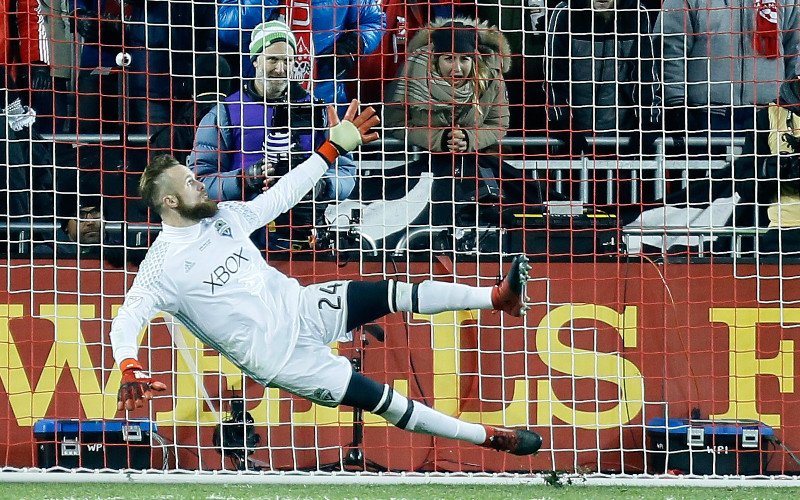
An MLS soccer game lasts 90 minutes, split into two 45-minute halves, with a halftime break of around 15 minutes.
Ever wondered how much time you actually spend watching a Major League Soccer match? The excitement of the game often makes us lose track of time. Many people often ask, “how long is an mls soccer game?”
It’s a common question and we have the answer for you here. The match time is fixed and fairly consistent. This allows fans to plan their viewing schedule.

How Long is an MLS Soccer Game?
Ever wondered how much time you need to set aside to watch your favorite Major League Soccer (MLS) team? It’s a great question! Understanding the duration of an MLS game helps fans plan their viewing experience, whether they’re heading to the stadium or settling in on the couch. A typical MLS match isn’t just 90 minutes long; there are other elements to consider. Let’s dive deep into the details, so you know exactly what to expect.
The Core 90 Minutes: The Heart of the Game
At its foundation, a regular MLS soccer game is structured around two 45-minute halves. Just like in most professional soccer leagues around the world, the clock keeps ticking during general play, meaning it doesn’t stop for out-of-bounds, fouls, or corner kicks. This continuous play makes for a fast-paced experience, requiring players to maintain high levels of fitness. It also adds to the suspense, because even when one team is on the attack, the other is ready to strike back as soon as they get the ball. The consistent ticking clock of the 45-minute halves is the basic part of figuring out just how long an MLS soccer game lasts.
Half Time: A Quick Break
Between the two 45-minute halves, there’s a 15-minute break called half-time. During this intermission, players head to the locker rooms to regroup, rest, and talk strategy with their coaches. It’s a chance for them to catch their breath and get ready for the second half. For fans, it’s an opportunity to grab a snack, stretch your legs, or discuss the first half with your friends. This break also gives the broadcast teams a window for some recap and analysis. This period is set in stone; it is always 15 minutes and adds to the overall length of the game.
Injury Time: The Added Extra
One thing that makes soccer exciting is “added time,” or as some people call it, “injury time” or “stoppage time.” At the end of each 45-minute half, the referee adds a few extra minutes to make up for the time lost during the game due to injuries, substitutions, or other delays. These minutes aren’t predetermined; rather, they are decided by the referee after careful observation of the flow of play. It could be a minute or two, or even as much as five or six, depending on what happened during the half. The added time is unpredictable and is part of the magic of the sport; a game might be settled right at the very last second of the injury time. This makes the end of each half super exciting to watch and keeps fans on the edge of their seats until the final whistle.
Why Added Time Is Necessary
Imagine a game with a significant injury where the medics need to help a player off the field. That action alone could take up a few minutes of game clock. Without added time, that lost play time would mean fewer minutes to play soccer which wouldn’t be fair. Added time is designed to maintain fairness in the game. When a substitution is made, there can be a moment of delay while the player leaves the field and the new player comes in. This time is included in the added time calculation too. The referees keep a close eye on these events, and determine how much added time is needed at the end of each half. This system makes sure teams get the full amount of playing time to keep the game fair.
Extra Time in Playoffs
Now, what happens if an MLS game ends in a tie? During the regular season, MLS games can end in a tie, so no extra time is needed. However, things change in the MLS playoffs. If a playoff game is tied after the regular 90 minutes (plus added time), things are taken to the next level: extra time. This consists of two additional 15-minute periods, with a brief break in between. This sudden jump to extra time is a game changer for the teams and the fans.
The Intensity of Extra Time
Extra time can be very exciting, but also very tiring for players. They’ve already played 90 minutes (or more), and now they need to give it their all for another 30 minutes! With their stamina already tested, this period often brings out intense battles. Teams push very hard to try and score and prevent their opponents from scoring. The stakes are very high in the playoffs, and extra time is the last chance to keep their dreams alive. This period adds to the overall drama and excitement of the game.
Penalty Shootouts: The Final Decider
If the score remains tied after extra time in the playoffs, it’s time for penalty kicks, often referred to as “penalties” or a “shootout.” Each team selects five players to take penalty shots, and whichever team scores more wins the game. The pressure is extremely high during the shootout, as one player’s success or failure can lead to their team’s advancement or elimination. The order the players are chosen to shoot has a tremendous amount of strategy behind it. It is a big mental game at this point. These moments add to the heart pounding, nail biting ending to the match.
Sudden Death Penalties
If, after all five players from each team have had their turn, the teams are still tied, it goes into “sudden death” penalty kicks. This means that each team takes one penalty shot at a time. The first team to score, with the other team missing, wins the game. These sudden-death moments are known for their nerve wracking intensity. Fans often say they have never felt such emotional intensity. It is definitely one of the most intense moments in all of sports.
Factors that Can Impact Game Length
While we know a standard MLS game is around 90 minutes plus added time, some elements can cause the game to take longer. For instance, lengthy injury breaks, where a player needs a lot of medical attention, can lead to a longer period of added time. The video assistant referee (VAR) system can also contribute to game time. Sometimes VAR reviews a play to make sure a correct call was made. While necessary, these reviews can cause delays in the game. Substitutions can add a few extra seconds and minutes because the referee is very specific about the player leaving the field before the substitute can get onto the field. Sometimes the ball will go far away and take a few minutes to retrieve and start play again. Any major celebration can lead to additional stoppage time too.
Weather Delays
Another major factor in game length is weather. In case of heavy thunderstorms or other extreme weather conditions, the game may need to be stopped and sometimes postponed until the weather improves. Fans and the teams have to wait for the referee to decide when the game can resume. All of these factors can change the duration of an MLS game.
Typical Total Game Time
So, let’s put it all together. A standard MLS game usually lasts around 1 hour and 50 minutes to 2 hours including half time and added time. However, you can expect more time during the MLS playoffs with a possibility of extra time and penalty shootouts. Here’s a general breakdown:
- Regular Season Game: Approximately 1 hour and 50 minutes to 2 hours.
- Playoff Game (with no extra time): Around 2 hours.
- Playoff Game (with extra time): About 2 hours and 30 minutes.
- Playoff Game (with penalty shootout): Can go up to 2 hours and 45 minutes.
Remember, these are just estimates. Games can be shorter or longer depending on the situations we have talked about. It is best to plan for a 2-hour window for regular season matches, and even a bit longer during playoff games, to make sure you have enough time to enjoy the whole experience.
Being Prepared for Game Day
Now that you know what to expect when it comes to the length of an MLS game, you can plan your time better. You can make sure you have time to watch the game and the pregame shows and post game analysis if you want. When you are planning to attend an MLS game in person, it can be helpful to check the local game schedule to get precise start time information so you can make the best choices about when to arrive and depart from the stadium. The stadium can be very crowded when it is time for the game to end, so knowing what time to plan to depart can be helpful.
Tips for Watching MLS Games
- Check the Schedule: Always check the official MLS website or team websites for specific game start times.
- Plan Extra Time: Especially for playoff games, plan for potential extra time and penalty shootouts.
- Stay Hydrated: If you are watching from the stadium, make sure you stay hydrated.
- Check the Weather: Always check the forecast. If bad weather is anticipated, you might want to bring a jacket, or an umbrella.
- Enjoy the Experience: Most importantly, relax and enjoy the thrill of the game!
So, whether you are watching a game at home or in a stadium, the typical length of an MLS game is good to know so you can be prepared for all the action. These are the things that impact the length of a game. You now have all you need to be ready to watch any MLS game this season!
A Beginner’s Guide to MLS
Final Thoughts
MLS games typically run for 90 minutes, divided into two 45-minute halves. There is also a halftime break of around 15 minutes. Referees may add extra time for stoppages, making games potentially run longer than the standard duration.
So, how long is an MLS soccer game? You should generally plan for about two hours to account for added time and the halftime break, not only for the core 90 minutes.

